Insights
Research, intelligence and analysis on African political environments.
Strategic analysis and intelligence briefs from our advisory team, covering elections, governance and political dynamics across the continent.
Africa politics news hub
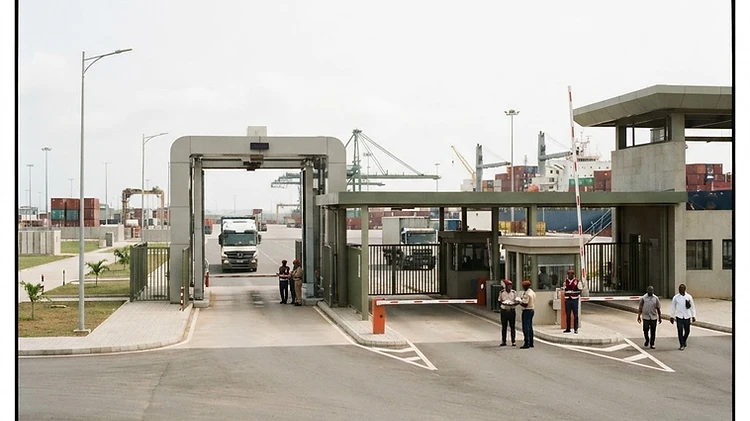
Centralized Port Security Governance in San-Pédro Shifts Economic Leverage Toward Abidjan
The recent push for centralized security governance in the port city of San-Pédro is not a neutral administrative reform but a calculated effort to strip the Bas-Sassandra district of its economic leverage. By prioritizing state-led security oversight over local municipal control, the central government is effectively neutralizing regional political actors ahead of the next electoral cycle. This shift threatens to turn a vital economic hub into a mere extension of Abidjan's political machinery, undermining the autonomy of local stakeholders.
Illustration


Adamawa State’s 21 Local Government Defections: How the APC’s Grassroots Capture Undermines the 2027 Electoral Map
The recent defection of all 21 local government chairmen in Adamawa State from the PDP to the APC represents a fundamental shift in Nigeria's electoral landscape. By securing the entire grassroots administrative structure, the APC has effectively neutralized the opposition's ability to mobilize at the ward level. This development suggests that the 2027 election in Adamawa will be decided by institutional capture rather than voter preference, rendering traditional campaign strategies obsolete.
Illustration

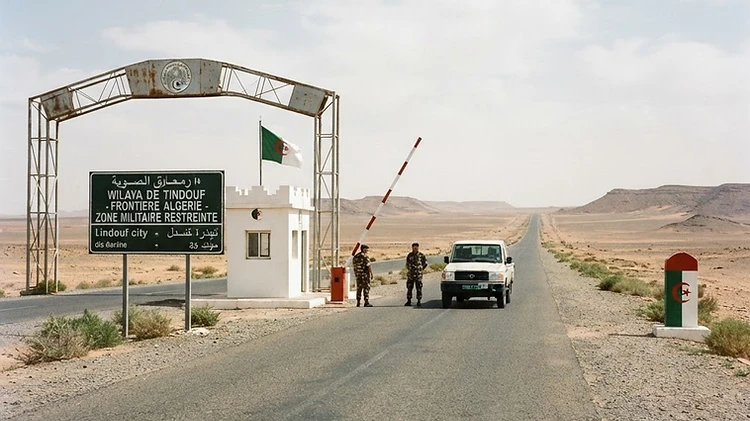
April 2027 MINURSO Transition Forces Algiers to Recalibrate Security Strategy for Tindouf Province
The proposed UN Security Council resolution to transition MINURSO into a political mission by April 2027 threatens to dismantle Algeria's long-standing regional influence. By forcing a shift toward autonomy under Moroccan sovereignty, the international community is effectively enclosing the Tindouf borderland. This development forces Algiers to choose between direct military escalation or a painful, forced realignment of its regional security strategy.
Illustration


Tshisekedi Gains Legal Authority to Rewrite the Constitution Following the October 23 Referendum Vote in Kisangani
The National Assembly's October 23 adoption of the referendum law provides the legal architecture for President Félix Tshisekedi to bypass existing constitutional constraints. By formalizing the procedures for a national vote, the administration is positioning itself to overhaul the 2006 Constitution, a move that critics argue is a calculated effort to extend presidential tenure. This development in Kisangani and across the national legislature marks a critical juncture where institutional readiness for a referendum replaces the previous ambiguity surrounding constitutional reform.
Illustration

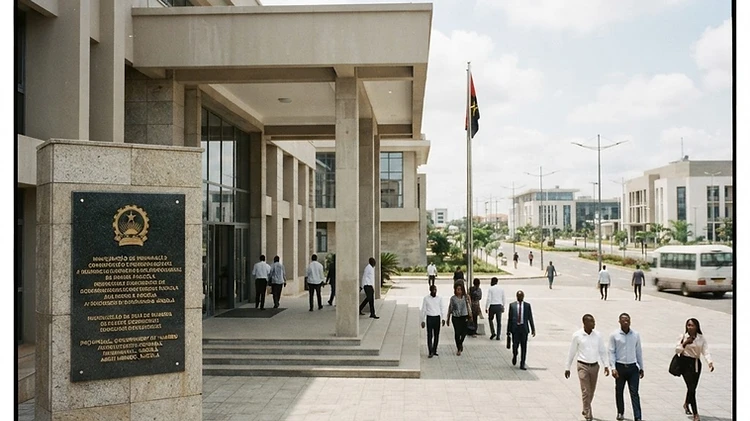
Huambo Province’s 2027 Budgetary Expansion: Why Increased Allocations Mask a Structural Failure in Grassroots Service Delivery
The proposed 50 per cent increase in Huambo Province's 2027 budget is being framed as a development breakthrough, but it functions as a mechanism for centralizing political control ahead of the next electoral cycle. By prioritizing large-scale infrastructure projects over granular, ward-level service delivery, the provincial administration is effectively bypassing local accountability structures. This strategy risks deepening the public trust deficit while failing to address the immediate needs of residents in municipalities like Caála and Chilata.
Illustration


Enugu State’s Digital Infrastructure vs. The Analog Reality of Grassroots Political Patronage
Enugu State has aggressively deployed AI-enabled infrastructure and digital monitoring platforms to rebrand its governance model as data-driven and transparent. However, this technological veneer obscures a deepening reliance on traditional, ward-level patronage networks to secure political dominance ahead of the 2027 cycle. The state's digital transformation is not a replacement for political machine politics but a sophisticated tool for its consolidation.
Illustration


State Appropriation of the Damang Gold Mine Erodes Economic Autonomy in the Western Region
The government's decision to transition the Damang Gold Mine to state ownership under the guise of mining governance reform represents a strategic consolidation of power in the Western Region. By bypassing private lease extensions, the administration is centralizing control over critical mineral assets, effectively sidelining local stakeholders and regional economic autonomy. This move risks creating a state-managed resource apparatus that prioritizes political patronage over sustainable local development.
Illustration


Dakar National Assembly Rejection of the 2026 Supplementary Budget on October 23 Signals the End of Executive Fiscal Hegemony
The rejection of the 2026 supplementary finance bill by the National Assembly's Finance Committee on October 23, 2026, marks a decisive shift in Senegal's power dynamics. By stalling the executive's fiscal agenda, the parliamentary majority has effectively neutralized the presidency's ability to manage the national budget. This development forces a confrontation that threatens to trigger early legislative elections and exposes the fragility of the current governing coalition.
Illustration

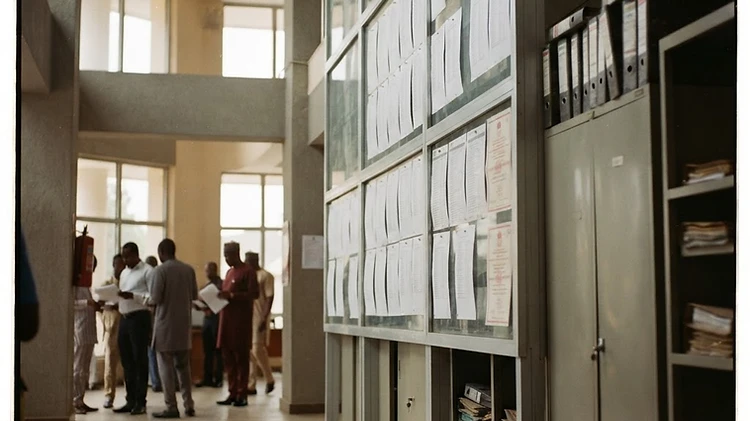
Bauchi State Electoral Litigation: Why the APM’s Legal Challenge to PRP Candidacy Signals a Pre-Election Gridlock
The Allied Peoples Movement has initiated a high-stakes legal challenge against the Peoples Redemption Party in Bauchi State, alleging procedural failures in candidate registration. This litigation, coming on the heels of INEC's exclusion of four other parties, suggests a deepening crisis of electoral compliance. The move threatens to paralyze the 2027 governorship race and highlights the fragility of grassroots political structures in the state.
Illustration

Zanzibar High Court Ruling on CHADEMA Assets: The Judicialization of Party Finance as a Tool for Political Containment
The High Court's October 23, 2026, decision to reject a bid to freeze CHADEMA's assets in Zanzibar is not a victory for democratic space but a calculated refinement of state-led legal attrition. By forcing the opposition into perpetual litigation over resource management, the ruling CCM party effectively neutralizes the party's operational capacity ahead of future electoral cycles. This strategy of judicialization replaces overt bans with a slow-motion financial strangulation that keeps the opposition trapped in courtrooms rather than on the campaign trail.
Photograph: Ronyyz — CC BY-SA 4.0, via Wikimedia Commons

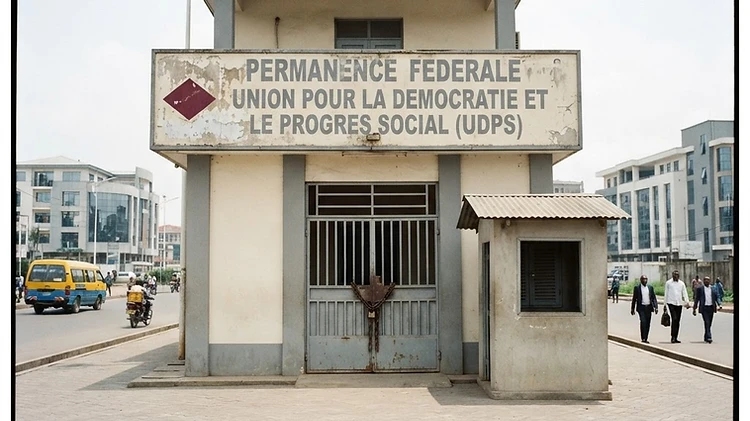
Goma Opposition Groups Adopt Clandestine Tactics Following Kinshasa’s October 26 Party Suspension Directive
The October 26, 2026, government directive suspending 13 opposition parties marks a definitive shift from political competition to state-led containment. By targeting the grassroots infrastructure of parties like the PPRD, the administration is effectively decapitating the opposition's ability to mobilize ahead of the 2027 cycle. This move forces political actors to abandon traditional campaign operations in favor of high-risk, underground survival strategies.
Illustration

APC Elite Pacts in Ebonyi State Bar Electoral Challengers From 2027 Governorship Race
The recent adoption of a rigid governorship rotation agreement by Ebonyi State stakeholders is a calculated attempt to neutralize political competition ahead of the 2027 elections. By framing this as a non-partisan consensus, the ruling APC is effectively using administrative and coercive mechanisms to suppress opposition. This development signals a shift toward a managed democracy where electoral outcomes are predetermined by elite pacts rather than public mandate.
Photograph: Hadassah Photostorie group — CC BY-SA 4.0, via Wikimedia Commons

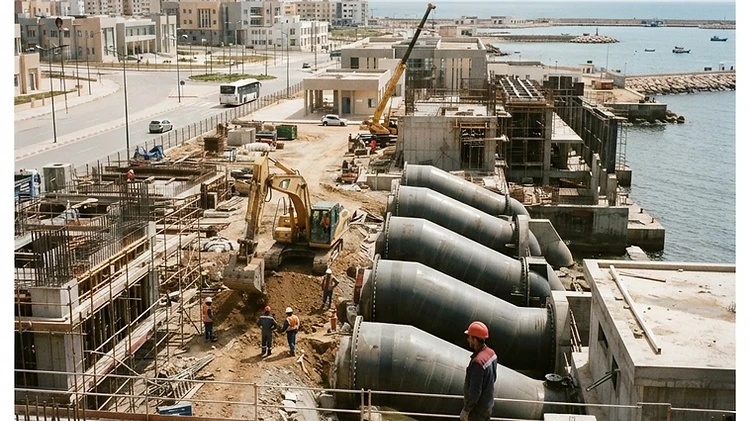
Tlemcen Local Elections Used to Consolidate State Control Over Regional Administration
The November 2026 local elections in Tlemcen Province are being framed by the central government as a democratic milestone, but they function as a mechanism to consolidate state control over regional administration. By leveraging infrastructure projects like the Marsa Ben Mehidi desalination plant, the ruling apparatus is attempting to manufacture consent while suppressing genuine local political competition. This strategy risks further alienating a population already wary of centralized decision-making and administrative expansion.
Illustration


Northern Region NDC Leadership Consolidation Alters National Party Electoral Momentum
The recent conclusion of internal executive elections within the National Democratic Congress (NDC) in the Northern Region marks a decisive shift in the party's grassroots mobilization strategy. By consolidating power at the branch and constituency levels, the party is moving to insulate its regional base from external political interference ahead of the 2028 national cycle. This development challenges the conventional narrative that regional party structures are merely administrative appendages, revealing instead a sophisticated effort to project regional influence into national electoral outcomes.
Illustration

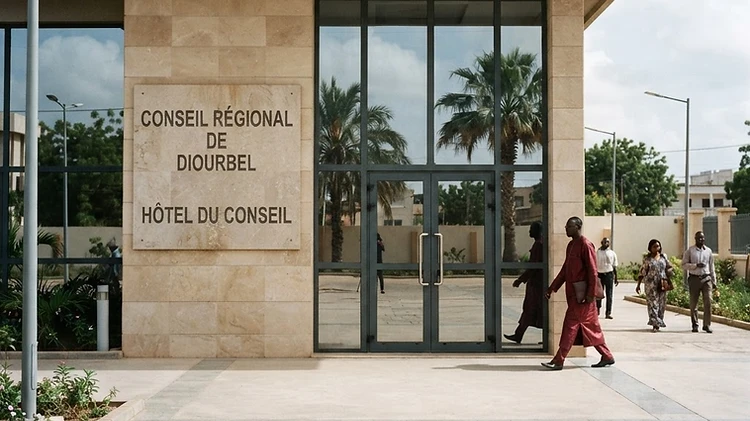
Diourbel Budgetary Standoff: The 2026 Finance Bill Rejection as a Strategic Dismantling of Executive Fiscal Authority
The rejection of the 2026 revised finance bill by the National Assembly's Finance Committee marks a definitive shift in Senegal's power dynamics. By stalling the executive's fiscal agenda, the legislature has effectively neutralized the administration's ability to implement its Vision Senegal 2050 program. This analysis explores how the Diourbel region serves as the epicenter for this legislative resistance, challenging the executive's control over national development.
Illustration


Centralization Moves Follow Yolanta Malunga’s October Dismissal From Southern Province Development Oversight
The recent termination of Southern Province Deputy Permanent Secretary Yolanta Mutyambe Malunga represents a calculated move by the central government to tighten control over regional resource allocation. By removing a key administrative gatekeeper, the executive is effectively neutralizing local oversight mechanisms to ensure that the Grow Zambia Agenda's funds are managed directly from Lusaka. This shift threatens to undermine the autonomy of local authorities and risks alienating the provincial power base ahead of future electoral cycles.
Illustration

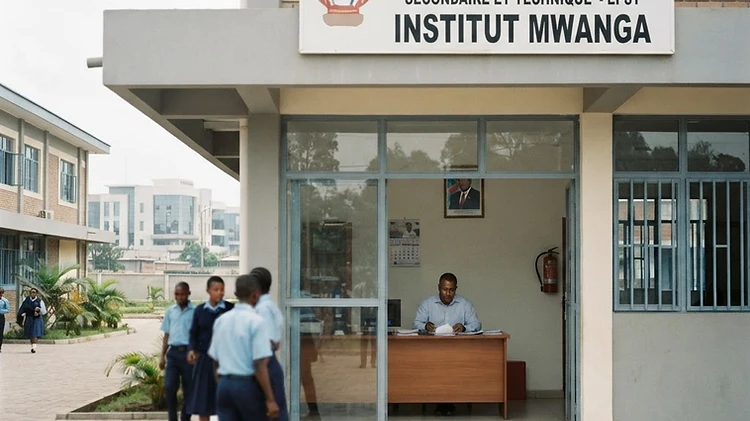
FRN Academic Schedules Challenge Kinshasa Control Within North Kivu Schools
The emergence of the Front for the Refoundation of the Nation (FRN) under former President Joseph Kabila has moved beyond military insurgency into the realm of administrative state-building. By imposing a parallel academic calendar in North Kivu, the FRN is utilizing soft-power governance to erode Kinshasa’s legitimacy. This shift demonstrates that the conflict is no longer just a security crisis, but a fundamental contest over the digital and institutional infrastructure of the Congolese state.
Illustration

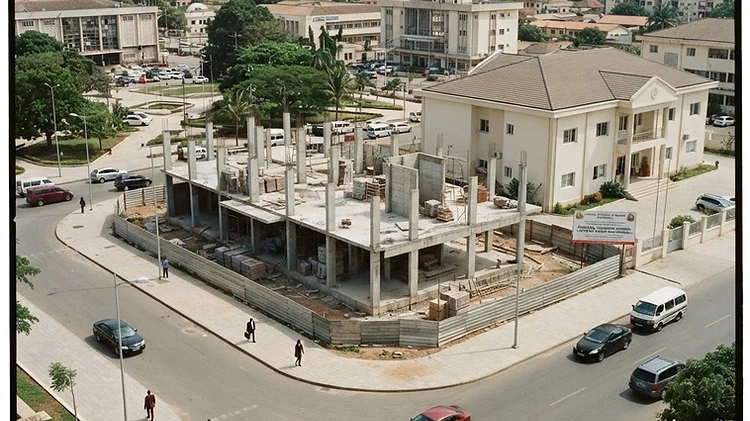
Benguela Province Earns Inclusivity Accolades Despite Deteriorating Health Services and Neglected Public Works
The recent recognition of Benguela Province as Angola's most inclusive government is a performative political exercise that obscures systemic failures in public service delivery. While the provincial administration celebrates its award, data from the region reveals persistent health crises and infrastructure neglect that undermine the government's narrative. This article argues that such accolades are part of a broader strategy to manufacture legitimacy ahead of the 2027 electoral cycle.
Illustration


Ekiti State’s 124 Kilometres of Dilapidated Roads: Why the Governor’s Second-Term Inauguration Masks a Structural Infrastructure Deficit
Governor Biodun Oyebanji’s recent second-term inauguration in Ekiti State has been framed as a mandate for continuity and development. However, this narrative obscures a deepening infrastructure crisis, where over 124 kilometres of state roads remain in critical disrepair. This article argues that the administration’s reliance on political patronage and elite consensus is a strategic distraction from the urgent need for tangible public service delivery.
Illustration

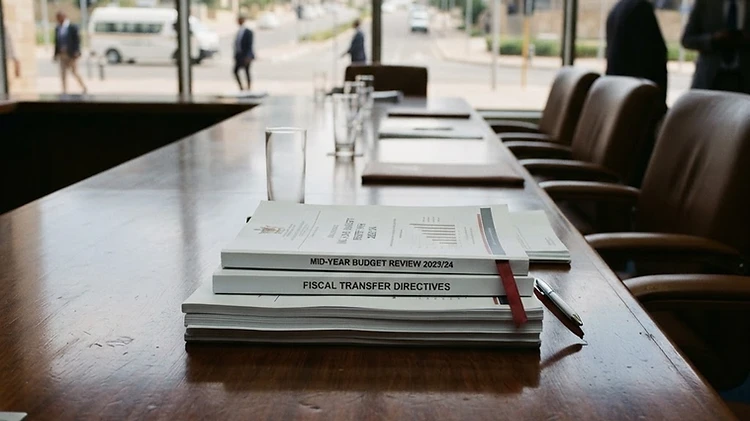
Windhoek Council Budget Review Exposes How Fiscal Dependency Blocks Local Service Delivery
The Windhoek Municipal Council is currently paralyzed by a fiscal structure that prioritizes central government control over local service delivery. Despite the rhetoric of decentralization, the recent mid-year budget review confirms that local authorities remain shackled to national directives. This article argues that the current governance model is a deliberate strategy to contain opposition-led councils by starving them of independent revenue streams.
Illustration

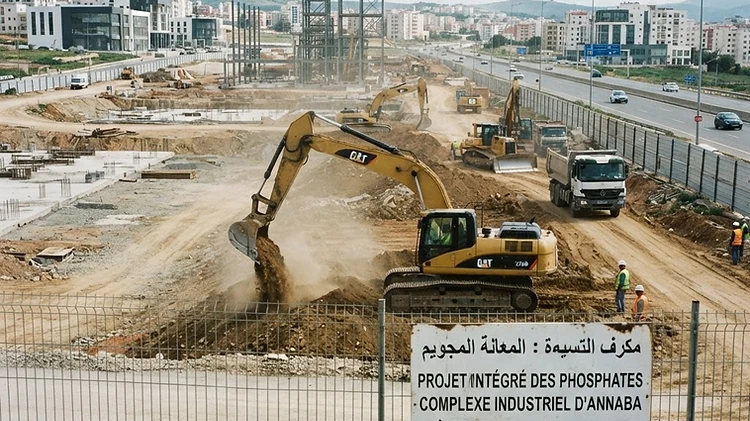
Annaba Phosphate Export Goals Override Regional Hospital Expansion Plans
The Algerian government's simultaneous push for the Integrated Phosphate Project and new university hospitals in Annaba highlights a deepening reliance on state-led industrialization. While the phosphate project aims to secure non-hydrocarbon export revenue, the social infrastructure remains secondary to the state's fiscal survival. This analysis argues that the centralization of these projects undermines local governance autonomy by subordinating regional needs to national macroeconomic imperatives.
Illustration


Juapong Market Centralization Forces Volta Region Traders Into State Managed Value Chains
The Mahama administration's recent push for industrial infrastructure in the Volta Region, exemplified by the Juapong market project, is being framed as economic empowerment but functions as a mechanism for centralizing state control. By tethering local livelihoods to state-managed value chains, the government is effectively neutralizing the region's historical role as an independent political power base. This shift threatens to replace genuine grassroots economic autonomy with a dependency model that serves national electoral interests rather than local development.
Illustration


Thiès GMI Camp: The 2026 Budgetary Impasse and the Strategic Erosion of Executive Authority
The rejection of the 2026 revised finance bill by the National Assembly's Finance Committee marks a definitive shift in Senegal's power dynamics. By stalling the executive's fiscal agenda, the opposition-led legislature has effectively neutralized the presidency's reformist mandate. This article argues that the current impasse is not merely a budgetary dispute but a calculated effort to force early legislative elections and dismantle the Faye administration's governing capacity.
Illustration
Begin a confidential conversation.
Speak with our advisory team about your strategic objectives.