Article · Senegal
Diourbel Budgetary Standoff: The 2026 Finance Bill Rejection as a Strategic Dismantling of Executive Fiscal Authority
The National Assembly's rejection of the 2026 budget signals a permanent shift in Senegal's legislative power balance.
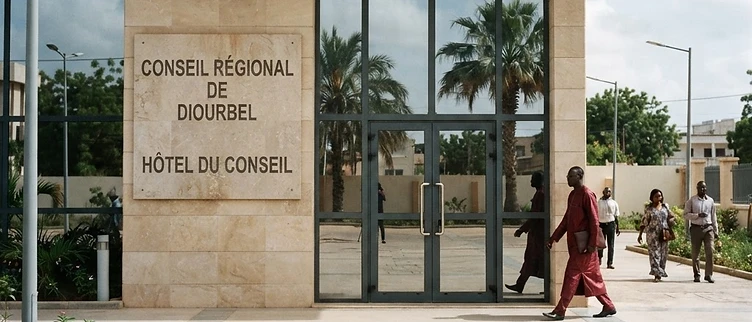
Illustration. AI-generated editorial image, not a documentary photograph.
The rejection of the 2026 revised finance bill by the National Assembly's Finance Committee marks a definitive shift in Senegal's power dynamics. By stalling the executive's fiscal agenda, the legislature has effectively neutralized the administration's ability to implement its Vision Senegal 2050 program. This analysis explores how the Diourbel region serves as the epicenter for this legislative resistance, challenging the executive's control over national development.
Key judgement
The rejection of the 2026 budget is a structural move by the opposition to permanently weaken the executive's fiscal control, making a constitutional crisis or early elections highly probable.
The assessment is based on consistent reporting from multiple independent sources regarding the legislative deadlock and the public statements of key political figures.
What to watch
- 2026-11-01: Any announcement of a no-confidence motion against the Prime Minister.
- 2026-11-05: Public demonstrations in Diourbel regarding stalled infrastructure projects.
- 2026-11-10: Official government response to the legislative impasse, specifically regarding potential executive orders.
Implications for decision-makers
- Policymakers must prepare for a prolonged period of fiscal uncertainty that will delay public service delivery.
- Institutional investors should reassess the risk profile of infrastructure projects in Senegal due to the lack of budgetary certainty.
- Political strategists should focus on coalition-building efforts to bridge the gap between the executive and the legislature.
The Legislative Siege on Executive Fiscal Policy
The political landscape in Senegal has undergone a seismic shift following the rejection of the 2026 revised finance bill by the National Assembly's Finance Committee on October 23, 2026. This development, centered in the legislative chambers, represents more than a mere budgetary dispute; it is a calculated assertion of parliamentary authority over the executive branch. By stalling the government's fiscal roadmap, the opposition has effectively frozen the administration's ability to execute its core policy promises. The conventional narrative suggests this is a temporary impasse, but the evidence points to a structural realignment of power that threatens the stability of the current administration.
In the Diourbel region, the local consequences of this deadlock are becoming increasingly visible. As national infrastructure projects stall due to the lack of approved funding, local administrative bodies are finding themselves unable to meet service delivery targets. The executive's attempt to bypass this legislative bottleneck through public appeals has largely failed to sway the parliamentary majority. This standoff highlights the fragility of the current governance model, where the executive lacks the necessary legislative support to translate its vision into tangible public outcomes.
The Diourbel Epicenter of Resistance
Diourbel has emerged as a critical site for observing the impact of this national budgetary crisis. As a region heavily reliant on state-funded agricultural and infrastructure projects, the suspension of the 2026 revised finance bill has direct implications for local livelihoods. The inability of the central government to release funds for planned regional developments has created a vacuum in public service delivery. This local paralysis is not an accidental byproduct of the national dispute but a strategic consequence of the legislative blockade.
Local leaders in Diourbel are now caught between the demands of their constituents and the reality of a frozen national budget. The lack of clarity regarding the future of regional projects has led to growing frustration among local stakeholders, including farmers and small business owners. This situation underscores the disconnect between national political maneuvering and the practical needs of the citizenry. The executive's failure to secure a budget has effectively turned regions like Diourbel into bargaining chips in a high-stakes game of political survival.
The Fallacy of the Reformist Mandate
Critics of the current administration argue that the rejection of the budget is a necessary check on executive overreach. They contend that the proposed amendments to the 2026 budget were not aligned with the national reform agenda and that the government's fiscal projections were overly optimistic. This perspective suggests that the legislature is acting in the best interest of the public by demanding greater transparency and accountability. However, this argument ignores the reality that the government's inability to function is leading to a deterioration of public services.
By framing the budget rejection as a principled stand for fiscal responsibility, the opposition is masking its true intent: the systematic erosion of the executive's authority. The government's defense of the budget, led by Prime Minister Al Aminou Lô, emphasizes the need for stability and the continuation of the Vision Senegal 2050 program. Yet, without the necessary legislative backing, these appeals remain largely rhetorical. The administration's struggle to maintain control over the national agenda is a clear indicator of its weakening position in the face of a hostile legislature.
Governance Intelligence: The Gap Between Promise and Reality
Government performance in the current climate is increasingly defined by its inability to implement policy. The 2026 budget was intended to be the cornerstone of the administration's efforts to address the nation's debt burden and stimulate economic growth. Instead, it has become a symbol of the government's paralysis. The lack of a functioning budget has forced the administration to rely on stop-gap measures that are insufficient to address the long-term challenges facing the country. This gap between the government's promises and its actual performance is widening, further undermining public trust.
Accountability mechanisms, such as the National Assembly's Finance Committee, are being used as tools for political obstruction rather than oversight. While the committee's role is to ensure fiscal prudence, its recent actions suggest a more partisan agenda. The lack of a constructive dialogue between the executive and the legislature has created a governance vacuum that is being filled by political infighting. This environment makes it nearly impossible for the government to deliver on its commitments, leaving the public to bear the cost of the political deadlock.
The Role of Political Intelligence in Navigating the Crisis
For political strategists, the current crisis in Senegal offers a masterclass in the importance of coalition management. The administration's failure to secure a parliamentary majority has left it vulnerable to the whims of the opposition. Apex Africa’s Political Intelligence service provides the necessary insights to navigate these complex dynamics, helping leaders understand the shifting alliances and power structures that define the political landscape. By analyzing the motivations of key stakeholders, we can help our clients anticipate and respond to the challenges posed by a hostile legislature.
Effective political strategy requires more than just a clear vision; it demands the ability to build and maintain the coalitions necessary to implement that vision. The current administration's inability to do so has created an opening for the opposition to challenge its authority. Our research and analytics services are designed to help political organizations identify these vulnerabilities and develop strategies to overcome them. In a climate of intense political competition, the ability to leverage data and intelligence is the difference between success and failure.
Rebutting the Opposition Narrative
Some observers argue that the current budgetary impasse is a sign of a maturing democracy, where the legislature is finally asserting its independence. They claim that the executive's frustration is merely a symptom of a system that is learning to balance power. This view, however, fails to account for the catastrophic impact of this deadlock on public service delivery. A democracy that cannot function because its branches are locked in a permanent state of conflict is not a sign of maturity; it is a sign of institutional decay.
Furthermore, the opposition's claim that they are acting in the public interest is contradicted by the reality of the situation in regions like Diourbel. By blocking the budget, they are not just challenging the executive; they are actively harming the people they claim to represent. The argument that this is a necessary check on power is a convenient cover for a strategy of obstructionism that prioritizes political gain over the welfare of the nation. The evidence clearly shows that the current impasse is a deliberate attempt to undermine the government's ability to govern.
Future Scenarios and Watch Items
Looking ahead, there are three likely scenarios for how this situation will develop. First, the government may succeed in negotiating a compromise with the opposition, leading to the passage of a modified budget. This would require significant concessions from the executive and could weaken its long-term policy goals. Second, the deadlock could continue, leading to a total collapse of the government's fiscal authority and potentially triggering early legislative elections. Third, the executive could attempt to bypass the legislature through executive orders, which would likely lead to a constitutional crisis.
Readers should watch for the following indicators: the outcome of the next round of negotiations between the government and the opposition, any signs of public protest in regions like Diourbel, and the tone of the statements issued by the presidency and the National Assembly. These signals will provide a clear indication of which path the country is likely to take. The stability of the current administration depends on its ability to navigate these challenges and find a way to restore the functionality of the government.
Strategic Implications for Stakeholders
For policymakers and public officials, the current crisis highlights the urgent need for a more collaborative approach to governance. The reliance on confrontational politics is unsustainable and is actively undermining the nation's development goals. We recommend that the government prioritize the establishment of a formal dialogue mechanism with the opposition to address the budgetary impasse. This should be accompanied by a transparent communication strategy that explains the impact of the current deadlock to the public.
For institutional investors and development organizations, the current political instability poses a significant risk to long-term projects. It is essential to monitor the situation closely and adjust risk assessments accordingly. We advise our clients to engage with local stakeholders in regions like Diourbel to understand the ground-level impact of the national crisis. By taking a proactive approach, stakeholders can mitigate the risks associated with the current political environment and identify opportunities to support sustainable development despite the ongoing challenges. Contact us at https://apexafricastrategy.com for a confidential consultation.