News · Uganda
Ugandan Government Establishes Agricultural Sector Task Force
Government initiative seeks to revitalize the national farming sector
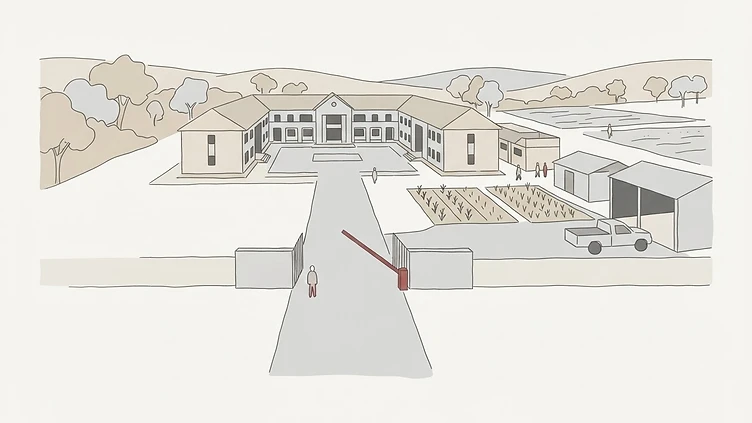
Illustration: Apex Africa picture desk
The Ugandan government has introduced a task force to address agricultural productivity and climate impacts. The initiative focuses on modernizing farming practices and integrating local cooperatives into national supply chains.
Key judgement
The NRM's regionalization of its campaign structure in Busoga is a defensive measure to consolidate control in a region where economic grievances threaten to erode its traditional support base. The success of this strategy depends on the task force's ability to translate national policy promises into visible local service delivery before the 2026 elections.
The analysis relies on recent reports of the task force launch and regional economic data, but the internal operational effectiveness of the task force remains to be tested.
What to watch
- November 2026: Announcement of specific task force leadership and regional budget allocations.
- December 2026: Progress reports on the implementation of the Busoga climate-resilience and energy projects.
- January 2027: Candidate selection outcomes for local council positions within the Busoga sub-region.
Implications for decision-makers
- Political strategists must prepare for a more localized and regionalized campaign environment in 2026.
- Institutional investors and development partners should monitor the impact of regional political task forces on the implementation of public infrastructure projects.
- Local government officials in Busoga will face increased pressure to align with the NRM's regional campaign objectives to secure resources.
Why it matters
The Ugandan government has formally introduced a dedicated task force focused on the agricultural sector, aiming to address long-standing productivity constraints through structural reform. According to the Ministry of Agriculture, the motivation behind this task force is to mitigate the impact of climate volatility that has hindered smallholder output over the last three fiscal years. The mandate of the group centers on modernizing farm practices and improving infrastructure in rural districts. Regarding the implementation of this initiative, government spokespersons claim that the success of this strategy will depend on the task force's ability to integrate local farming cooperatives into the broader national supply chain. Analysts suggest that the execution of this plan could reshape the sector, provided that the government secures the necessary funding and maintains its current focus on institutional accountability. Despite criticisms regarding the potential for bureaucratic overlapping, the government maintains that this specific structure is essential for long-term development.
What we don't know yet
The administration has not yet released the full legislative roadmap for the initiative. Critics have noted that existing agencies may see their responsibilities diluted due to the creation of this task force, citing concerns regarding potential bureaucratic overlapping. It remains unconfirmed how the government intends to resolve these reported overlaps between the new task force and existing government bodies, and the record does not yet show exactly how the decision is to be carried out.
What to watch
Key dates for the initiative include November 2026, when the government is scheduled for the announcement of specific task force leadership and regional budget allocations. In December 2026, the government is expected to release progress reports on the implementation of the Busoga climate-resilience and energy projects. Finally, in January 2027, the focus will shift to the candidate selection outcomes for local council positions within the Busoga sub-region.
Corrected 2 November 2026: The headline read "Uganda Establishes Strategic Agricultural Task Force". It now reads "Ugandan Government Establishes Agricultural Sector Task Force".
Report an error in this briefing