News · Togo
Togo's Constitutional Transition: A Shift in Political Architecture
Assessing the transition from a semi-presidential system to a parliamentary republic in Togo
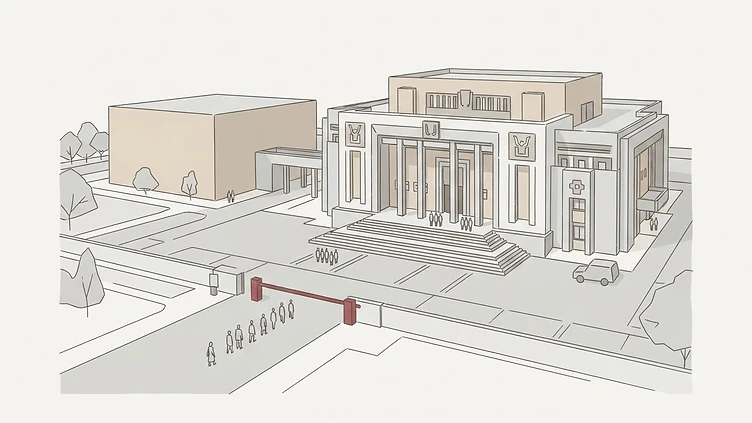
Illustration: Apex Africa picture desk
Togo’s parliament has recently adopted a new constitution, transitioning the nation from a semi-presidential to a parliamentary system. This fundamental change, which alters how the head of state is elected and how executive power is exercised, has sparked intense debate regarding the future of political authority and governance in the country.
Key judgement
The constitutional restructuring of Togo’s legislature effectively eliminates independent oversight by subordinating the Senate to executive-controlled regional councils and direct prime ministerial appointments. This institutional design ensures that the ruling UNIR party maintains absolute control over the national policy agenda, rendering the legislative branch a formalistic rather than a deliberative body.
The analysis is based on the explicit provisions of the 2024 Constitution and the verified results of the 2024 regional and parliamentary elections.
What to watch
- Announcement of the first Senate appointments by the President of the Council of Ministers (Expected Q1 2027)
- Legislative activity of the Senate regarding the 2027 national budget (December 2026)
- Public statements from opposition parties regarding the Senate's inaugural session (January 2027)
Implications for decision-makers
- Opposition parties must pivot their strategy toward regional council elections to have any influence on the Senate's composition.
- International development partners should shift monitoring efforts from national legislative debates to regional council procurement and service delivery.
- Policymakers should anticipate reduced legislative friction, which may accelerate project implementation but increase risks of policy miscalculation due to lack of debate.
The Republic of Togo has initiated a significant constitutional overhaul, formally moving away from its long-standing semi-presidential structure. Under the newly ratified framework, the president will no longer be elected through direct universal suffrage by the citizenry. Instead, the president will be chosen by parliament for a single six-year term.
This legislative body will now hold the primary responsibility for selecting the nation’s leadership, a marked departure from the previous model where presidential mandates were secured via national elections. Furthermore, the new constitution introduces the office of the President of the Council of Ministers, an executive role that will wield substantial control over government administration and cabinet appointments. Conversely, opposition groups and various civil society organizations have raised concerns regarding the transparency of the process.
Critics argue that these modifications could consolidate power within a smaller circle of political elites, potentially weakening the democratic checks and balances that were inherent in the direct electoral process. The transition also brings changes to the oversight of the judiciary and independent constitutional bodies. As the legal framework is finalized, the international community, including regional bodies like ECOWAS, has emphasized the need for inclusive dialogue to ensure the stability of the country throughout this period of transition.
The government maintains that the legislative changes are consistent with the constitutional mandate of the National Assembly, while activists continue to call for a national referendum to gauge broader public support for such a sweeping alteration of Togo’s governance model. As the political landscape adjusts, the focus remains on the upcoming implementation phases and how the new parliamentary authorities will manage the distribution of power across the various branches of government. The success of this transition will depend heavily on the perceived legitimacy of the parliamentary process and the ability of the ruling coalition to address the grievances of opposition segments who advocate for the maintenance of direct presidential elections.
Why it matters
Togo’s parliament has recently adopted a new constitution, transitioning the nation from a semi-presidential to a parliamentary system.
What we don't know yet
The record does not yet show how the decision is carried out.
What to watch
Announcement of the first Senate appointments by the President of the Council of Ministers (Expected Q1 2027); Legislative activity of the Senate regarding the 2027 national budget (December 2026); Public statements from opposition parties regarding the Senate's inaugural session (January 2027)
Report an error in this briefing