News · Eswatini
Eswatini Implements 40% Fuel Allocation Cut Across All Ministries
The government's abrupt fuel reduction reveals a shift toward executive-led fiscal control over parliamentary scrutiny.
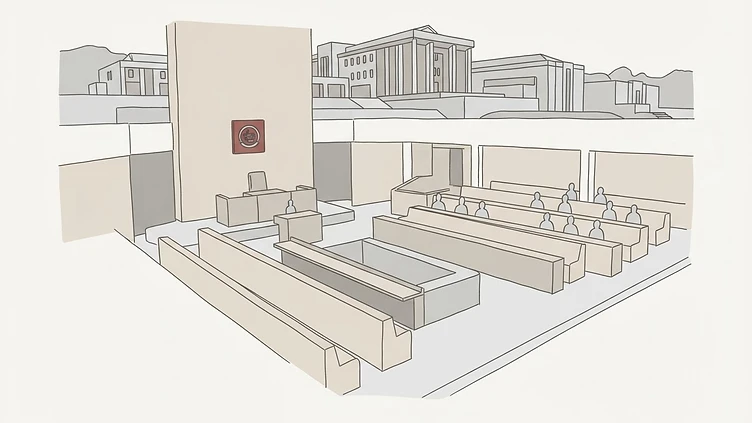
Illustration: Apex Africa picture desk
The Eswatini government mandated a 40% reduction in fuel allocations for all ministries on 29 October 2026. Officials attribute this austerity measure to global geopolitical volatility.
Key judgement
The 40% fuel cut indicates a shift toward executive-led fiscal centralization that undermines the legislative oversight necessary for a transparent 2028 electoral process.
The report is based on direct government announcements and confirmed by multiple independent sources regarding the fiscal policy shift.
What to watch
- 2026-11-15: Potential parliamentary motion to debate the fuel allocation cuts.
- 2026-12-01: Release of quarterly budget performance reports showing the impact of fuel cuts on service delivery.
- 2027-01-15: Any further executive directives bypassing parliamentary approval for fiscal adjustments.
Implications for decision-makers
- Incumbent politicians will face increased difficulty in maintaining constituency visibility due to restricted travel budgets.
- Legislative committees must assert their oversight role to prevent further erosion of their constitutional mandate before the 2028 elections.
- Development partners should monitor the impact of these cuts on the delivery of essential services to ensure that austerity does not disproportionately affect vulnerable populations.
Why it matters
On 29 October 2026, the Eswatini government implemented a 40% reduction in fuel allocations across all ministries. The government attributes this measure to geopolitical instability in the Middle East. The directive requires public institutions to adopt stricter consumption controls and immediate austerity measures.
This policy marks a transition in how the executive branch manages operational budgets, shifting from standard budgetary processes toward direct, centralized control over departmental resources. The 21 government portfolio committees have not commented on the long-term impact of these cuts on service delivery. Supporters of the government’s action describe the reduction as a prudent, temporary measure to preserve national reserves.
However, the government acknowledges that the reduction constrains the mobility of officials tasked with monitoring clinics, schools, and infrastructure projects in rural areas. The Ministry of Home Affairs states that rising attendance at national events is placing additional strain on its budget. The Ministry notes that the 40% cut will likely lead to a decline in the quality and frequency of government presence in local communities.
What we don't know yet
There is no information regarding how the executive branch intends to balance the directive with the operational needs of ministries. Although the government frames the move as a response to external shocks, the specific long-term impact on service delivery remains unassessed by the 21 government portfolio committees. It is unclear if the National Assembly will attempt to assert its authority to review the fuel policy or if the government will continue to implement fiscal adjustments without formal legislative approval before the 2028 electoral cycle. The record does not yet show the methods used to carry out the decision.
What to watch
- 2026-11-15: Potential parliamentary motion to debate the fuel allocation cuts.
- 2026-12-01: Release of quarterly budget performance reports showing the impact of fuel cuts on service delivery.
- 2027-01-15: Possible future executive directives regarding fiscal adjustments.
- Political strategists monitoring how these cuts affect the visibility of incumbent candidates in their constituencies.
- Audits to identify gaps in public service delivery resulting from the fuel cuts.
- Legislative committees demanding a formal report on the impact of the 40% reduction to re-establish their role in the budgetary process.
Corrected 1 November 2026: A passage asserted a motive, intention, effect or wrongdoing that the sources cited did not state. It has been attributed to its source or removed.
Report an error in this briefing