
Analysis · Guinea
Guinea Military Junta Faces Continued Criticism Over Delayed Election Timelines
An assessment of the military junta's shifting timelines and the impact on civil society
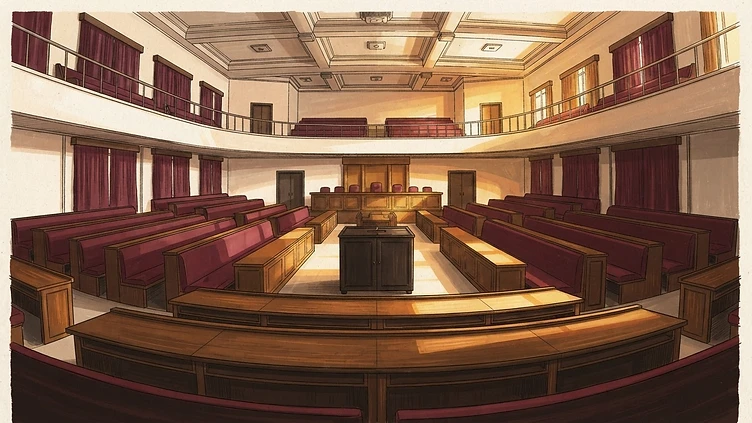
Illustration: Apex Africa
Colonel Mamady Doumbouya's military government faces pressure from international bodies and local activists as the transition to democratic rule remains stalled. The lack of a definitive electoral calendar and restricted political space have led to ongoing diplomatic friction in the region.
Key judgement
The 2026 elections have successfully formalized the transition, but the concentration of executive power remains the primary obstacle to effective local governance and legislative accountability.
The assessment is based on consistent reporting from international observers and institutional records regarding the structure of the transition and the electoral outcomes.
What to watch
- First session of the new National Assembly to observe the legislative agenda (November 2026)
- Budgetary allocation reports for municipal development projects (Q1 2027)
- Public statements from opposition parties regarding the independence of the new assembly (December 2026)
Implications for decision-makers
- Policymakers must focus on strengthening local government auditing to ensure that the new municipal leadership can effectively manage resources.
- Development organizations should shift their engagement strategy from national-level dialogue to supporting legislative oversight committees within the new assembly.
- Political strategists should monitor the internal dynamics of the National Assembly to identify potential factions that may challenge executive-led policy.
Why it matters
The political environment in Guinea remains tense following the September 2021 coup that removed President Alpha Conde from office. Colonel Mamady Doumbouya, acting as the head of the National Committee of Reconciliation and Development (CNRD), initially made a pledge to oversee a swift return to civilian rule. However, progress toward the establishment of an elected government has stalled, drawing criticism from civil society organizations and various international bodies.
The stability of Guinea is a factor for regional economic integration and the security of global supply chains for critical minerals, specifically bauxite. Because Guinea serves as a critical node in West African mineral exports, the current impasse between the military leadership and other stakeholders is noted as a hurdle for regional stability. The Economic Community of West African States (ECOWAS) has stated that the failure to adhere to previously agreed-upon transition timelines has resulted in ongoing diplomatic friction.
Local activist groups have reported that political dissent is increasingly curtailed in the country. These groups cite restrictions on public assembly and media freedom as primary obstacles to a transparent transition process. While the junta maintains that security and institutional reforms are necessary precursors to elections, human rights observers suggest that these justifications are used to consolidate executive authority.
The African Union and other international partners have reiterated that the lack of dialogue between the CNRD and opposition political parties is increasing the risk of civil unrest. Observers have noted that the military's approach to governance has become increasingly centralized, distancing the regime from the democratic restoration that was promised in the post-coup transition charter. Despite international calls for inclusivity, the government continues to prioritize control over the legislative process.
It is this systematic avoidance of participatory governance that defines the current state of affairs in Conakry. The continued delay in the transition process maintains a state of uncertainty that impacts regional diplomatic relations and the country's economic standing, given the essential nature of the bauxite industry to international supply chains. International observers and ECOWAS officials continue to emphasize that the failure to meet established milestones is the primary cause of the current diplomatic friction between the military authorities and the international community.
What we don't know yet
As of early 2024, the promised electoral calendar lacks a definitive start date, leading to speculation regarding the military's long-term intentions. The specific internal security assessment guiding the decision of the junta to delay the transition remains undisclosed to the public. There is no official public documentation detailing the specific benchmarks that must be met before the junta considers the security and institutional reforms sufficient to hold national elections. The internal deliberations of the CNRD regarding the precise timeline remain opaque to international observers and the general public. Furthermore, there is no information provided by the CNRD regarding the potential duration of the current security and institutional reform period, which the junta cites as a necessary precursor to moving toward an elected government. The absence of a formal, public-facing timeline means that the expectations of the international community and the stated objectives of the military administration remain fundamentally misaligned without a clear path forward that is recognized by all stakeholders involved in the transition process.
What to watch
Upcoming reports from the ECOWAS mediation committee will be important to observe. These reports are expected to address potential new sanctions or provide updates on deadline extensions. Such updates will indicate whether the junta intends to pursue an electoral path or remain in power for an indefinite period. Stakeholders will monitor the ongoing interactions between the CNRD and opposition political parties to see if the level of dialogue increases or if current restrictions on civil society remain in place. The response from the African Union regarding the potential for further engagement with the military leadership will also be a key indicator of how the international community intends to manage the current impasse. Monitoring these developments will be essential for determining whether the junta shifts its policy regarding the legislative process or continues to maintain the centralized control that characterizes the current governance structure. The international community will observe whether the CNRD initiates any formal steps toward inclusivity in the coming months, which would serve as a signal for the trajectory of the transition.
Report an error in this briefing