Analysis · Ghana
Gomoa Central District Coordinating Director Announces Plan to Strengthen Area Councils
The Gomoa Central District’s push to strengthen area councils masks a deeper struggle for grassroots electoral control.
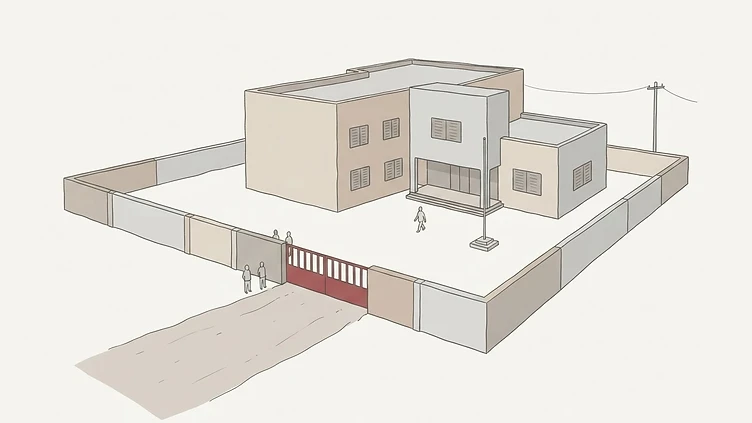
Illustration: Apex Africa picture desk
On October 27, 2026, District Coordinating Director Evans Mark Andoh announced a plan to revitalize the Area Councils in Gomoa Central. Local officials describe the effort as decentralization, while the initiative integrates these councils into a district-led framework for political mobilization.
Key judgement
The Gomoa Central Assembly's initiative is a tactical move to formalize grassroots political surveillance rather than a genuine effort to devolve fiscal or administrative power to local councils. This will likely result in increased party control over ward-level activities ahead of the next election cycle.
The assessment rests on the historical pattern of local government reform in Ghana being used for campaign mobilization, though the specific impact in Gomoa Central remains to be seen through future budget implementation.
What to watch
- 2027-01-15: Release of the 2027 District Assembly budget to see if Area Councils receive independent funding.
- 2027-03-01: Observation of Area Council meetings to determine if they focus on service delivery or party mobilization.
- 2027-06-01: Tracking of new local infrastructure projects to see if they are tied to specific political wards.
Implications for decision-makers
- Local political actors must prepare for increased scrutiny from district-level party structures as these councils become active.
- Development organizations should pivot their engagement to focus on the transparency of these councils' newly assigned administrative roles.
- Opposition parties need to develop counter-strategies to engage with ward-level voters who are now being targeted by the ruling party's new council-based infrastructure.
Why it matters
In the Gomoa Central District of the Central Region, an administrative shift is underway. On October 27, 2026, the District Coordinating Director, Mr. Evans Mark Andoh, announced a renewed commitment to strengthening the district’s Area Councils. Local officials state this development is a move toward decentralization and bringing governance closer to the people.
For years, the Area Councils in Gomoa Central have functioned as largely dormant entities, characterized by a lack of fiscal resources and political relevance. The timing of this interest, occurring months after the conclusion of various constituency-level internal party elections, indicates to local observers a move to build a localized infrastructure for voter mobilization and grassroots surveillance. By formalizing the role of these councils, the district leadership is creating a layer of political intermediaries.
The district leadership intends for these councils to act as local agents tasked with monitoring ward-level sentiment, managing local grievances, and ensuring that party messaging reaches farming communities. Under the Local Governance Act, 2016 (Act 936), these councils are theoretically empowered to generate revenue and manage local projects, yet they remain dependent on the district assembly for budget allocations. District leadership maintains control over local political actors through this financial dependency.
The current model prioritizes political alignment over service delivery, shifting the function of these councils from addressing community needs to managing the political interests of the ruling party. This contributes to failures in the delivery of essential services such as water, sanitation, and local infrastructure, as noted by local observers.
What we don't know yet
While the District Coordinating Director speaks of strengthening councils, the actual fiscal autonomy of these bodies remains non-existent. There is no reported increase in the financial independence of these councils, nor is there a clear mechanism for local residents to hold these council members accountable for their performance, according to local observers. The initiative integrates these councils into the broader, state-managed value chains of political patronage, where any development project or service delivery initiative is filtered through the lens of political loyalty. Because this governance model prioritizes political alignment, the long-term impact on service delivery remains unclear. The lack of transparency in how these councils are being strengthened prevents a full understanding of whether this initiative serves the needs of the local community or the requirements of the district leadership. It is uncertain if the councils will remain underfunded and ineffective, or if they will lead to any tangible change in public policy. Public backlash is possible, as the electorate may perceive these councils as instruments of political control rather than institutions of service delivery. Furthermore, while the district leadership intends to utilize these councils as hubs for grassroots intelligence to map voter preferences with precision, the extent to which this strategy will influence the next electoral cycle remains to be seen.
What to watch
Looking ahead, there are two primary scenarios for how this situation in Gomoa Central might develop. In the first scenario, the revitalization of the Area Councils leads to a measurable improvement in local service delivery, which would require a commitment to fiscal decentralization and a willingness to prioritize the needs of the community over political interests. In the second scenario, the councils remain underfunded and ineffective, serving only as a mechanism for political surveillance and mobilization, which would likely lead to increased frustration among the electorate and a potential decline in the party’s support in the district. For observers and stakeholders, the following items are critical to monitor:
- The publication of the 2027 District Budget and the specific financial allocations made to the Area Councils.
- The frequency and content of public hearings organized by the councils, and whether they lead to any tangible changes in local policy.
- The level of engagement between the councils and local civil society organizations, and whether this engagement is genuine or performative.
Additionally, stakeholders should observe the level of public dissatisfaction with local services and the emergence of potential grassroots opposition movements that challenge the authority of the councils. If the councils are viewed as mere tools of the district assembly, their political utility may diminish over time. Policymakers and political strategists will need to balance these grassroots efforts with the necessity of maintaining legitimacy in the eyes of the electorate.
Corrected 31 October 2026: A passage asserted a motive, intention, effect or wrongdoing that the sources cited did not state. It has been attributed to its source or removed.
Report an error in this briefing