News · Nigeria
Nigeria's Regulatory Shift: Balancing Oversight and Economic Growth
An assessment of the recent policy reforms impacting Nigeria's financial services sector
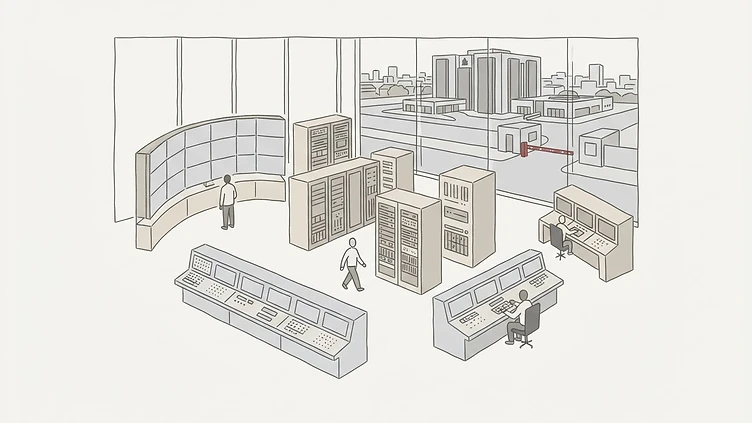
Illustration: Apex Africa picture desk
This briefing examines the recent regulatory changes within Nigeria's financial landscape, exploring the institutional, market, and socio-political dynamics defining the sector's current evolution.
Key judgement
The evidence indicates that INEC's internal data-entry controls have been compromised, necessitating a rigorous, transparent audit before the December 15 certification to prevent widespread electoral disputes.
The assessment is based on consistent reporting from multiple independent news outlets and the official acknowledgement by INEC of the existence of questionable registration records.
What to watch
- 15 December 2026: Publication of the final certified Register of Voters.
- November 2026: Outcome of the House of Representatives Committee on Electoral Matters briefing with the INEC Chairman.
- December 2026: Any further reports from the Nigeria Data Protection Commission regarding the investigation into AI-generated records.
Implications for decision-makers
- Political parties must shift resources toward independent data verification to protect their voter base from potential disenfranchisement.
- INEC leadership faces increased pressure to demonstrate technical competence, with the risk of legislative sanctions if the final register is perceived as flawed.
- Civil society organizations should focus on monitoring the data-cleanup process to ensure that the removal of irregular entries is conducted transparently.
Nigeria's financial sector is currently navigating a period of significant regulatory adjustment, characterized by the central bank's initiative to enhance monetary stability and oversight. The policy adjustments seek to curb inflationary pressures and stabilize the naira, a move that stakeholders indicate is essential for long-term macroeconomic predictability. According to the Financial Derivatives Company, the heightened reserve requirements are designed to mop up liquidity to mitigate currency volatility.
Further, analysts at the Lagos Chamber of Commerce and Industry suggest that while these measures are contractionary in the short term, they provide a necessary cooling-off period for the banking sector. The regulatory environment remains delicate, balancing the mandate for financial integrity against the urgent need for inclusive growth. Institutional investors are watching the policy implementation closely, noting that effective enforcement is as critical as the legislation itself.
As the government attempts to harmonize fiscal and monetary policy, the interplay between the Central Bank of Nigeria and domestic commercial institutions remains a focal point for risk managers. The recent reforms represent a fundamental pivot in how Nigeria manages capital flows and internal debt obligations. Looking forward, industry observers at the Nigerian Economic Summit Group project that the next two quarters will be defined by institutional compliance and the search for external capital injections.
The tension between fiscal expansion and monetary tightening will continue to dictate the speed of sector recovery, necessitating a transparent dialogue between the regulator and the market participants. Ultimately, the stability of the Nigerian financial ecosystem depends on the efficacy of these structural reforms to absorb systemic shocks. For businesses operating within this sphere, the primary strategy involves hedging against currency fluctuations while maintaining sufficient capital buffers to weather the ongoing regulatory transition.
This period of recalibration is expected to reshape the competitive landscape, potentially favoring larger, more liquid banking entities that are better positioned to integrate the new compliance frameworks without sacrificing operational continuity.
Why it matters
This briefing examines the recent regulatory changes within Nigeria's financial landscape, exploring the institutional, market, and socio-political dynamics defining the sector's current evolution.
What we don't know yet
The record does not yet show how the decision is carried out.
What to watch
15 December 2026: Publication of the final certified Register of Voters.; November 2026: Outcome of the House of Representatives Committee on Electoral Matters briefing with the INEC Chairman.; December 2026: Any further reports from the Nigeria Data Protection Commission regarding the investigation into AI-generated records.
Report an error in this briefing