Analysis · Ghana
Cape Coast Metropolitan Assembly 8-Year Development Plan Implementation Details
The CCMA’s ambitious development roadmap risks subordinating local grassroots needs to top-down state-led urban mandates.
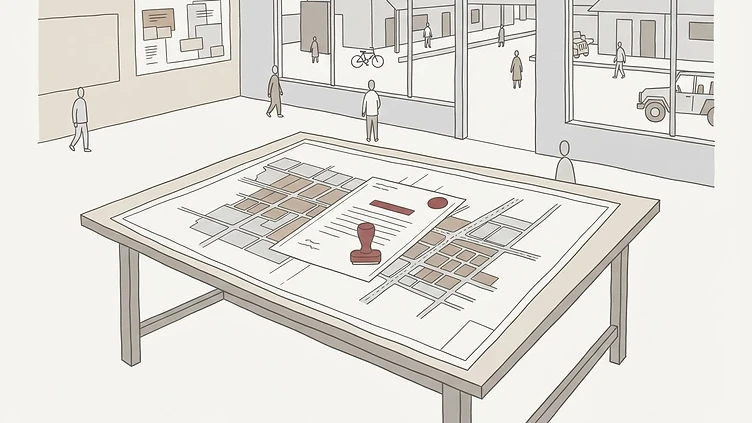
Illustration: Apex Africa picture desk
The Cape Coast Metropolitan Assembly has unveiled an 8-Year Development Plan that aligns local infrastructure goals with national governance mandates. This shift toward centralized planning prioritizes state-sanctioned projects over the immediate service delivery needs of local residents.
Key judgement
The CCMA's 8-Year Development Plan is a strategic instrument for centralizing control that will likely alienate grassroots voters and create a political vulnerability for the incumbent administration in the upcoming election cycle.
The analysis rests on the official mandate of the CCMA and recent regional political trends, but the long-term electoral impact remains contingent on the actual implementation of the plan.
What to watch
- 2027 Budget release: Monitor the allocation of funds between 'spatial planning' and direct service delivery.
- Ward-level consultations: Track the frequency and public participation levels in local planning meetings starting November 2026.
- Public service delivery protests: Monitor local reports for increased complaints regarding sanitation and infrastructure in Cape Coast.
Implications for decision-makers
- Incumbent local officials face a growing risk of grassroots backlash if the 8-year plan fails to deliver tangible service improvements.
- Political strategists should focus on the disconnect between centralized planning and local needs to build effective opposition platforms.
- NGOs and civil society groups have a strategic opportunity to lead community-based service delivery projects to fill the governance gap.
Why it matters
The Cape Coast Metropolitan Assembly (CCMA) introduced its 8-Year Development Plan on August 13, 2026, during a forum held at the University of Cape Coast. The assembly convened traditional leaders, academia, and government officials to present this vision for the city’s infrastructure and economic future. The CCMA states the plan represents a shared commitment to transformation, yet the strategy reflects an alignment with national-level governance mandates. By basing the city’s future on this centralized planning framework, the CCMA is choosing to exchange its local policy autonomy for access to state-controlled development funds. This approach is positioned within the context of national elections, where the capacity of metropolitan assemblies to demonstrate readiness through state-aligned projects serves as a metric for political survival. The CCMA utilizes the Land Use and Spatial Planning Act of 2016 to support this roadmap, shifting toward a state-centric model of urban management.
The Physical Planning Department, led by Pln. Nicholas Pinkrah, directs this transformation under the Local Governance Act of 2016. Its mandate involves advising the assembly on national policies regarding land use. However, a gap exists between the announcement of these spatial plans and their implementation. While the assembly focuses on preparing structure plans for towns and villages to match national directives, the residents continue to require basic sanitation and road connectivity. Accountability mechanisms within the CCMA are pressured by this top-down model. While the assembly maintains responsibility for enforcing bye-laws and managing waste, the institutional focus has turned toward securing permits and development applications that adhere to the 8-year vision. This creates a structural incentive to favor large-scale, state-approved projects that draw national attention, sometimes at the expense of day-to-day public infrastructure maintenance.
What we don't know yet
The actual impact of this plan on the daily lives of residents remains to be seen as the CCMA implements its objectives. While the assembly reports the commissioning of new classroom blocks and the distribution of medical equipment, these isolated events occur alongside a systemic struggle to deliver essential services. The Waste Management Department is tasked with sanitation delivery, yet the prioritization of spatial integration directs resources away from the basic collection and disposal services that residents rely on for public health. The extent to which the Oguaa Traditional Council’s involvement will shield the assembly from criticism remains an open question for civil society. The efficacy of the 8-year plan, when compared to the immediate needs of the electorate, will be tested as the assembly progresses through its roadmap. It is unclear if the assembly will pivot toward more granular, ward-level service delivery or remain committed to the state-approved infrastructure projects that currently define its strategy. The sustainability of this model depends on whether it can deliver tangible benefits to the citizens of Cape Coast while maintaining its alignment with national directives.
What to watch
Stakeholders and observers should monitor the release of the 2027 budget allocations for the CCMA to determine the level of funding directed toward spatial planning projects compared to direct service delivery. A trend of increased spending on spatial planning at the expense of basic services will provide evidence of the assembly's centralization strategy. Another indicator is the level of public engagement in the upcoming ward-level consultations. If the assembly persists in favoring elite-level forums over genuine grassroots participation, the likelihood of public dissatisfaction may increase. Observers should track the frequency and nature of protests or formal public complaints regarding sanitation and infrastructure in the coming months, as these will serve as a barometer for the public response to the current governance model. For political actors, the 8-year plan defines the terms of engagement for the next decade, and candidates will need to navigate this shift toward centralized control to remain competitive. Future performance of the CCMA will likely follow two paths: either successful procurement of national funding leading to top-down infrastructure improvements, or bureaucratic stagnation due to a lack of community support, which may result in a backlash during the next local elections.
Corrected 31 October 2026: The headline read "Centralized State Mandates Limit Grassroots Economic Autonomy in the Cape Coast 8-Year Development Plan". It now reads "Cape Coast Metropolitan Assembly 8-Year Development Plan Implementation Details". A passage asserted a motive, intention, effect or wrongdoing that the sources cited did not state. It has been attributed to its source or removed.
Report an error in this briefing