
News · Namibia
Namibia Reviews Resource Governance and Renewable Energy Policy Frameworks
An examination of legislative developments and sector outlook in Namibia
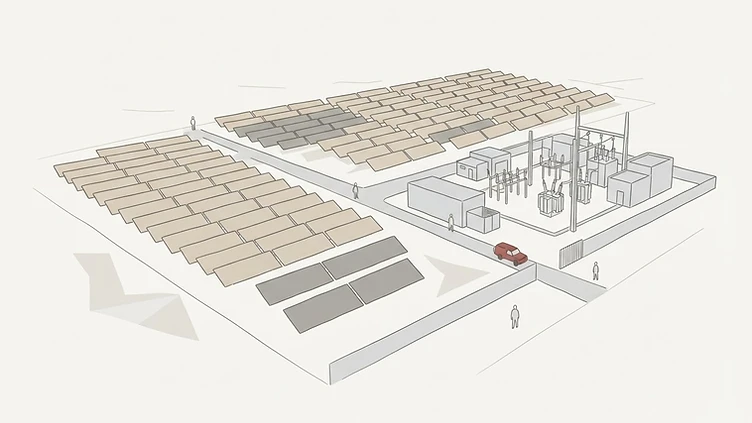
Illustration: Apex Africa picture desk
Namibia is currently re-evaluating regulatory requirements for state participation in mining and energy projects. This transition involves balancing infrastructure investment with economic strategies for green hydrogen and solar development.
Key judgement
The Namibian government is re-evaluating regulatory requirements for state participation in mining and energy projects, creating a period of policy adjustment that necessitates balancing investor sentiment with long-term green hydrogen and solar energy strategies.
The assessment relies on reporting from the Ministry of Mines and Energy, the Chamber of Mines of Namibia, and the Namibian Renewable Energy Association; it would be higher if formal policy drafts were public.
What to watch
- Q3 2025: Formal publication of the finalized regulatory framework for state participation in mining and energy sectors.
- 2026 fiscal cycle: Official announcements regarding the standardization of fiscal obligations for energy project developers.
- Ongoing: Legislative updates regarding local content mandates and their specific compatibility with regional trade agreements.
Implications for decision-makers
- Investors in Namibian mining and renewable energy sectors should prepare for potential increases in state oversight and evolving fiscal obligations.
- Policy officials must ensure that upcoming local content mandates align with existing regional trade agreements to maintain international legal compliance.
- Energy developers should monitor ongoing discussions between the Ministry of Mines and Energy and the Law Society of Namibia to anticipate shifts in legislative requirements.
Why it matters
Namibia’s government is navigating a period of policy adjustment concerning natural resource management and the expansion of the renewable energy sector. According to the Ministry of Mines and Energy, the government is conducting an ongoing evaluation of regulatory requirements for state involvement in future mining and energy projects. The Chamber of Mines of Namibia reports that these discussions influence investor sentiment, as stakeholders weigh the potential for increased state oversight against the need for a stable operational environment. The Namibian Renewable Energy Association indicates that the transition toward green hydrogen and large-scale solar initiatives remains a central pillar of the national economic strategy. Furthermore, the government intends to prioritize local content mandates as part of this policy evolution. The Law Society of Namibia notes that further refinement of these requirements is necessary to ensure compliance with existing regional trade agreements.
What we don't know yet
Market analysts cited by Bloomberg observe that the pace of implementation for renewable energy projects remains contingent on securing international financing and balancing public interests with private capital requirements. While the Institute for Public Policy Research indicates that the regulatory environment is undergoing formalization, it identifies that clear communication regarding fiscal obligations remains critical for project developers. The technical and legislative requirements of the energy sector remain under discussion as officials and private sector participants look toward the next fiscal cycle. It is not yet determined how the final standardized approach to resource governance will be structured.
What to watch
International observers maintain that Namibia’s ability to standardize its approach to resource governance will be a decisive factor in the success of the country’s upcoming energy transition roadmap. The interplay between legislative objectives and the technical requirements of the energy sector is a primary focus for government officials and private sector participants. Ongoing developments regarding local content mandates and their alignment with regional trade agreements are expected to be key indicators of how the policy framework will eventually function for stakeholders and investors.
Corrected 2 November 2026: The headline read "Namibia's Resource Governance and Renewable Energy Policy Shifts". It now reads "Namibia Reviews Resource Governance and Renewable Energy Policy Frameworks".
Report an error in this briefing