
News · Togo
Togo's Constitutional Reform: Navigating Political Turbulence
An assessment of the legislative shift toward a parliamentary system amid growing civil unrest
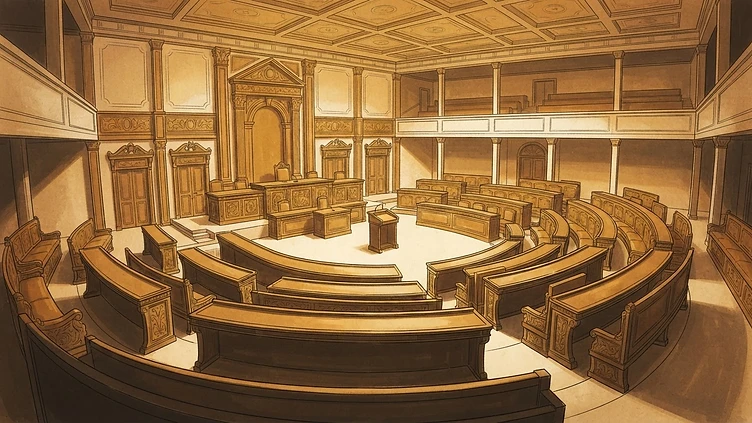
Illustration: Apex Africa
Togo's parliament recently adopted a new constitution, transitioning the nation from a presidential to a parliamentary system. This move has sparked significant domestic controversy and international scrutiny regarding executive power consolidation.
Key judgement
The resumption of SOCO project funding indicates that Togo is prioritizing localized economic stability as a primary defense against Sahelian security threats, shifting away from purely reactive border management.
The assessment is based on the official report of the Nalerigu working session and the documented resumption of project activities, which are consistent across multiple independent sources.
What to watch
- 2026-12-01: Disbursement of the next tranche of SOCO funding to local implementation units in the Savanes region.
- 2027-01-15: Commencement of the planned infrastructure projects in the border districts of the Savanes region.
- 2027-02-01: Publication of the first progress report on the resumed SOCO activities by the regional coordinating authorities.
Implications for decision-makers
- Policymakers should leverage the SOCO framework to integrate local community feedback into broader national security planning.
- Development organizations should focus on the sustainability of the resumed projects to ensure they do not stall again due to funding volatility.
- Political strategists in the Savanes region should monitor the delivery of these projects as a key indicator of government performance and local political support.
Togo has officially entered a period of profound constitutional transition following the adoption of a new constitution by the national parliament. This reform shifts the country from a presidential to a parliamentary system, a change that supporters argue will modernize democratic processes. However, the transition has not been without significant friction.
Civil society groups and members of the opposition have publicly stated that the change was implemented without sufficient public consultation. According to local activist groups, the timing of these reforms, arriving shortly before legislative elections, is viewed by some critics as a maneuver to extend the tenure of the current executive leadership by circumventing term limit debates. The government has denied these claims, asserting that the new structure will foster greater stability and legislative accountability.
International observers, including regional bodies, have expressed concern over the lack of consensus surrounding the amendment process. Diplomatic sources have noted that the sudden nature of the parliamentary vote has left the electorate feeling disenfranchised, leading to calls for broader national dialogue. The domestic political environment remains volatile, with opposition leaders arguing that the shift in constitutional structure without a referendum undermines the legitimacy of future governance.
As the country approaches its next electoral cycle, the political class is grappling with the implementation of these new rules. Supporters claim that the move to a parliamentary model aligns Togo with other regional trends, while detractors, as cited by local press reports, argue that the absence of a direct vote on the matter represents a regression in democratic norms. The economic impact remains to be seen, though investment analysts suggest that political uncertainty often influences regional stability.
In the coming months, the administration must navigate the intersection of constitutional mandates and the demands of a populace seeking more transparent governance. The current state of affairs suggests that Togo is entering a phase of intense political negotiation. Whether this systemic shift ultimately secures political stability or exacerbates existing divisions is the central question currently facing the Togolese stakeholders.
All international actors are now closely watching the legislative rollout to assess how these structural adjustments will influence future diplomatic relations and regional commitments within the West African bloc. The challenge for the leadership will be to balance institutional change with the necessity of maintaining public order during this period of significant constitutional transition.
Why it matters
Togo's parliament recently adopted a new constitution, transitioning the nation from a presidential to a parliamentary system.
What we don't know yet
The record does not yet show how the decision is carried out.
What to watch
2026-12-01: Disbursement of the next tranche of SOCO funding to local implementation units in the Savanes region.; 2027-01-15: Commencement of the planned infrastructure projects in the border districts of the Savanes region.; 2027-02-01: Publication of the first progress report on the resumed SOCO activities by the regional coordinating authorities.
Report an error in this briefing