Analysis · Egypt
Qalyubia Governorate and Ain Shams University Enter Infrastructure Partnership
The outsourcing of regional infrastructure oversight to academic consultants erodes the mandate of local councils.
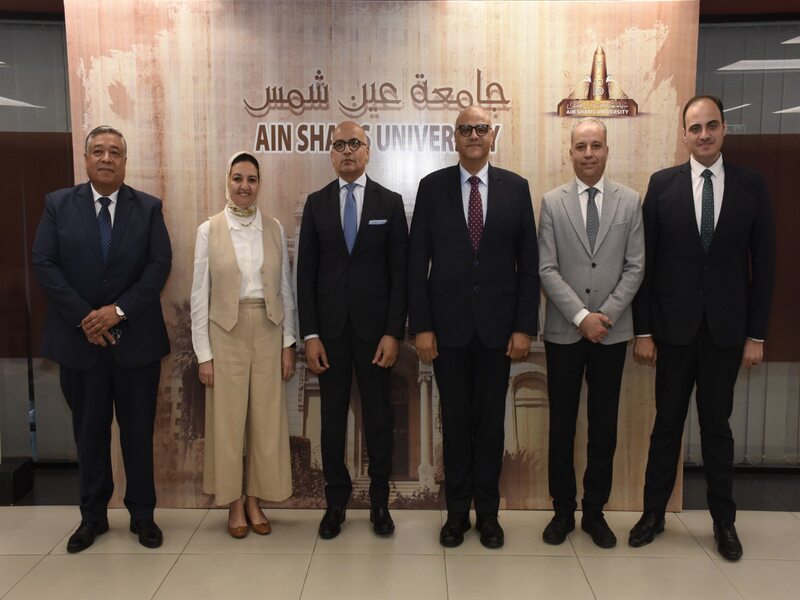
Qalyubia Governorate has partnered with Ain Shams University to oversee regional infrastructure projects, a move that local critics argue shifts power away from elected municipal councils. The arrangement tasks academic consultants with project management, potentially limiting the influence of local representatives over urban planning and public service delivery.
Key judgement
The outsourcing of infrastructure oversight to academic consultants in Qalyubia signals a permanent shift toward technocratic governance that will continue to erode the relevance of elected local councils. This trend will likely lead to increased administrative efficiency in the short term but will trigger significant political friction as local representatives find themselves excluded from the decision-making process.
The analysis is based on the official announcement of the partnership protocol between the Qalyubia Governorate and Ain Shams University, which is consistent with broader state trends toward technocratic management reported in recent government forums.
What to watch
- Publication of the first progress report on the Qalyubia-Ain Shams engineering projects, expected by March 2027.
- Any public statement or protest from local Qalyubia municipal councillors regarding their exclusion from project oversight.
- The replication of this university-governorate partnership model in other Egyptian governorates over the next six months.
Implications for decision-makers
- Local political leaders must pivot their campaign strategies to focus on influencing the technocratic bodies that now control infrastructure delivery.
- Development organizations should prepare for a shift in engagement, moving from traditional local government channels to these new university-led project management units.
- Policymakers should anticipate increased public demand for transparency as the gap between expert-led planning and community needs becomes more apparent.
Why it matters
On October 28, 2026, the Qalyubia Governorate formalized a strategic partnership with the Engineering Consulting Center at Ain Shams University to oversee regional development projects. This agreement, signed by Assistant Governor for Projects and Investment Dr. Mohamed Fawzy and university leadership, is framed as a triumph of technical efficiency. The narrative suggests that by leveraging the academic expertise of one of Egypt’s premier institutions, the governorate can accelerate urban planning and infrastructure delivery. However, this development signals a trend in Egyptian local governance: the displacement of local administrative authority by external, unelected technocratic bodies.
For the residents of Qalyubia, the promise of improved urban planning is often met with the reality of opaque decision-making. The reliance on university-led consulting centers removes the oversight of these projects from the purview of local municipal councils and ward-level representatives. When engineering standards, site selection, and project timelines are determined by academic consultants in Cairo rather than local officials accountable to the electorate, the link between public service delivery and democratic representation is altered. This is a restructuring of how power is exercised at the grassroots level.
Local government in Egypt has long struggled with limited fiscal autonomy and restricted decision-making powers. The introduction of external consulting bodies like the Ain Shams Engineering Center further complicates this landscape. By embedding university staff into the heart of the governorate’s project management, the state is creating a parallel administrative structure that operates outside the traditional channels of local government. This shift forces local councillors into a reactive position, where they are expected to rubber-stamp decisions made by technical experts rather than actively shaping the development agenda of their own districts.
This dynamic is problematic for campaign operations and political engagement. If local representatives cannot influence the infrastructure projects that directly impact their constituents—such as road upgrades, utility networks, or public space development—their ability to demonstrate value to voters is diminished. The state's move toward technocratic capture is a strategy to insulate development projects from local political competition, according to the firm's political intelligence. By framing these interventions as 'scientific' or 'expert-led,' the state delegitimizes local opposition to project priorities.
What we don't know yet
Proponents of the Qalyubia-Ain Shams protocol argue that it is a necessary response to capacity gaps within local government. They point to the complexity of modern urban planning and the need for specialized engineering knowledge that local municipal staff may lack. While technical expertise is essential for large-scale infrastructure, critics suggest that the argument for the total outsourcing of oversight is a fallacy. It remains to be seen whether the government will acknowledge that the issue is a lack of political will to empower local institutions with the resources and authority to manage their own development.
For the average resident in Qalyubia, the impact of this governance shift is tangible, yet the channels for public feedback and grievance redressal remain unclear. If a road project in a specific ward is delayed or poorly executed, residents often lack a clear point of contact. The local councillor, who should be the primary advocate for the community, is one step removed from the decision-making process, making it difficult for them to hold the implementing authority accountable. This creates alienation among the electorate, as citizens feel that their local government is a conduit for decisions made by distant experts. The government’s goal of doubling vegetation cover and upgrading local roads, discussed at the Egypt Forum 2026, requires effort to involve local communities in the planning and execution of these projects for success.
What to watch
There are three likely scenarios for how this technocratic model will evolve in Qalyubia and beyond. In the first scenario, the model is expanded to other governorates, leading to a nationwide shift where local government is replaced by a network of university-led project management units. In the second scenario, the model faces pushback from local political actors who find their influence being eroded, leading to a period of administrative gridlock and project delays as local councils attempt to reassert their authority. In the third scenario, the government recognizes the limitations of this approach and begins to integrate local councils into the oversight process, using the university consultants as advisors rather than decision-makers.
Key indicators to watch include the publication of project progress reports by local councils, the establishment of public consultation forums for infrastructure projects, and the degree to which local representatives are involved in the final approval of engineering plans. For policymakers and public officials, the implication is that technical efficiency is not a substitute for political legitimacy. If long-term success of development projects is desired, investment in the capacity of local institutions to manage them is required. For political strategists, this shift requires a new approach to grassroots mobilization. It is no longer enough to win an election; leadership must navigate a landscape where power is hidden behind a veil of technical expertise. The ability to translate these complex, expert-led projects into clear, community-focused narratives will remain critical for those operating within this changing political framework.
Corrected 31 October 2026: The headline read "Ain Shams University Oversight Of Qalyubia Infrastructure Sidelining Municipal Councils". It now reads "Qalyubia Governorate and Ain Shams University Enter Infrastructure Partnership". A passage asserted a motive, intention, effect or wrongdoing that the sources cited did not state. It has been attributed to its source or removed.
Report an error in this briefing