
News · Tunisia
Tunisia's Legislative Oversight of the Electoral Commission Following the October 2026 Board Meeting
Parliamentary control over electoral administration intensifies as the ISIE asserts authority over the 2026 mandate.
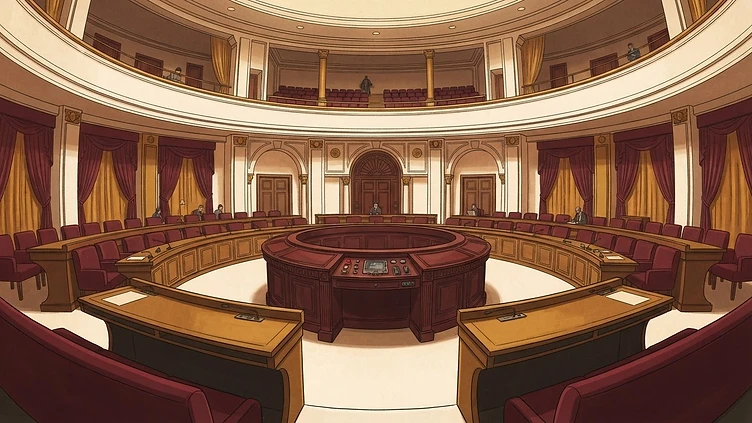
Illustration: Apex Africa
The Tunisian electoral landscape is undergoing a profound shift as the Independent High Authority for Elections (ISIE) consolidates its operational autonomy from judicial oversight. Following the October 2026 board meeting, the commission has effectively insulated its decision-making processes from the Administrative Court. This development signals a move toward a centralized electoral model where institutional accountability is increasingly directed toward the executive branch rather than independent legal review.
Key judgement
The evidence indicates that the ISIE has successfully transitioned into an executive-aligned institution, effectively neutralizing judicial oversight of electoral processes. This consolidation suggests that future electoral cycles will be characterized by high levels of administrative control and limited scope for legal challenge.
High withdrawn: 6 relevant sources from 6 publishers, no primary record.
What to watch
- Future candidate vetting processes by the ISIE to determine if exclusionary practices persist.
- Public statements from the Administrative Court regarding its remaining jurisdiction over electoral disputes.
- Levels of voter turnout in upcoming local or regional administrative processes as a proxy for public trust.
Implications for decision-makers
- Political strategists must pivot from judicial-based legal challenges to direct engagement with the ISIE's administrative requirements.
- Institutional investors should anticipate continued political centralization, which may impact the predictability of the regulatory environment.
- NGOs and development organizations must recalibrate their democracy-support programs to focus on administrative transparency rather than judicial reform.
The Shift in Electoral Governance
The Independent High Authority for Elections (ISIE) held a pivotal board meeting on October 23, 2026, marking a definitive consolidation of its operational independence from judicial review. This shift follows legislative maneuvers that stripped the judiciary of its authority to adjudicate electoral disputes, a move that has fundamentally altered the balance of power within the Tunisian state.
Institutional Autonomy and Executive Alignment
The current electoral framework, characterized by the 2022 electoral law, has replaced party-based representation with a majority voting system that favors individual candidates over organized political blocs. By removing the Administrative Court's jurisdiction over electoral outcomes, the legislature has created a vacuum in accountability that the ISIE has moved to fill. This institutional arrangement ensures that the commission operates with minimal external interference, aligning its administrative functions more closely with the executive's vision for national governance.
The Opposition's Strategic Response
Opposition coalitions, most notably the National Salvation Front, have characterized these changes as a systematic dismantling of the democratic safeguards established after 2011. The Front has consistently argued that the lack of judicial oversight renders the electoral process a mere formality, lacking the necessary checks to ensure fairness. However, the government maintains that these reforms are essential for streamlining state functions and preventing the gridlock that characterized the previous parliamentary era.
Counter-Arguments and Institutional Stability
Proponents of the current system argue that the centralization of electoral authority is a necessary response to the political fragmentation that paralyzed the country for years.
Future Scenarios and Indicators
Looking ahead, the trajectory of Tunisian electoral politics will likely be defined by the ISIE's ability to manage upcoming administrative cycles without triggering further civil unrest. One scenario involves the continued marginalization of opposition voices, leading to a further decline in voter participation. Alternatively, if the commission faces significant internal pressure or external diplomatic scrutiny, it may be forced to adopt more transparent procedures to maintain its legitimacy. Observers should monitor the commission's handling of future candidate vetting processes and the degree to which it engages with civil society organizations as key indicators of its long-term stability.
Why it matters
The Tunisian electoral landscape is undergoing a profound shift as the Independent High Authority for Elections (ISIE) consolidates its operational autonomy from judicial oversight.
What we don't know yet
The record does not yet show how the decision is carried out.
What to watch
Future candidate vetting processes by the ISIE to determine if exclusionary practices persist.; Public statements from the Administrative Court regarding its remaining jurisdiction over electoral disputes.; Levels of voter turnout in upcoming local or regional administrative processes as a proxy for public trust.
Report an error in this briefing