
Analysis · Iran
Iran's Strategic Realignment and Regional Instability
An assessment of Tehran's shifting geopolitical posture and its global implications
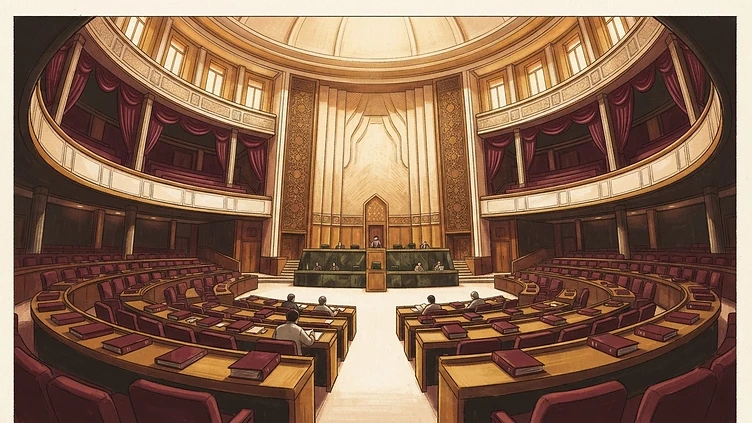
Illustration: Apex Africa
This briefing examines the current escalation in Iran's regional military activities, its deepening ties with global partners, and the resulting instability facing the Middle East, contextualizing these shifts for African strategic interests.
Key judgement
The impeachment motion against Foreign Minister Araghchi indicates that the legislative branch is transitioning from a passive rubber stamp to an active site of factional contestation, signaling a breakdown in the regime's post-war elite consensus.
The assessment relies on recent reporting of parliamentary actions, but the ultimate outcome of the impeachment motion remains subject to opaque, behind-the-scenes intervention by the Supreme Leader.
What to watch
- November 2026: Parliamentary committee vote on the impeachment motion against Foreign Minister Araghchi.
- December 2026: Public statements from the Supreme Leader regarding the necessity of cabinet stability during the ongoing conflict.
- January 2027: Any further motions to impeach other cabinet members, indicating a broader legislative offensive.
Implications for decision-makers
- Policymakers should anticipate increased volatility in Iranian foreign policy as the administration faces domestic legislative pressure.
- Institutional investors should account for potential delays in government decision-making and procurement processes due to internal political gridlock.
- Political strategists should monitor the parliamentary leadership's alignment with the IRGC as a key indicator of future cabinet stability.
The regional security landscape involving Iran has entered a phase of heightened volatility that demands close observation from international observers. Recent reporting by the Institute for the Study of War indicates that Iranian-backed proxies are intensifying their operations across multiple fronts, including shifts in tactical deployments within the Levant. This escalation is not occurring in a vacuum; it follows a pattern of deepening logistical and technological cooperation between Tehran and Moscow, as noted by defense analysts at the Atlantic Council.
These observers argue that the alignment suggests a structural change in how Iran approaches regional deterrence, moving away from proxy-based ambiguity toward more direct displays of military posture. According to the Carnegie Endowment for International Peace, this transition risks a miscalculation that could draw regional neighbors into broader conflict. Furthermore, the International Atomic Energy Agency reports persistent challenges in monitoring nuclear enrichment sites, with regional security experts citing this as a key driver of anxiety among Gulf Cooperation Council states.
While these developments remain centered in the Middle East, the ripple effects are significant. Security scholars at the Royal United Services Institute contend that the normalization of such adversarial strategies creates a precedent for other non-state actors globally. For African governments, the concern lies in the potential for these sophisticated maritime and cyber-warfare tactics, currently being refined in the Gulf, to proliferate across the Sahel and Horn of Africa, where similar proxy dynamics often undermine fragile state authorities.
Analysts at the Brookings Institution emphasize that as Tehran reorients its strategic focus to counter Western pressure, it may seek to expand its influence networks into new markets and corridors, potentially complicating diplomatic relations for nations that have historically maintained a policy of non-alignment. The instability created by these shifts is compounded by the global energy market fluctuations that often follow such volatility, impacting the fiscal stability of African oil-importing economies.
Report an error in this briefing