Analysis · Kenya
Siaya County implements IHRIS payroll integration for staff
The urgent push to standardize employee data in Siaya reveals a deeper, systemic failure in county fiscal management.
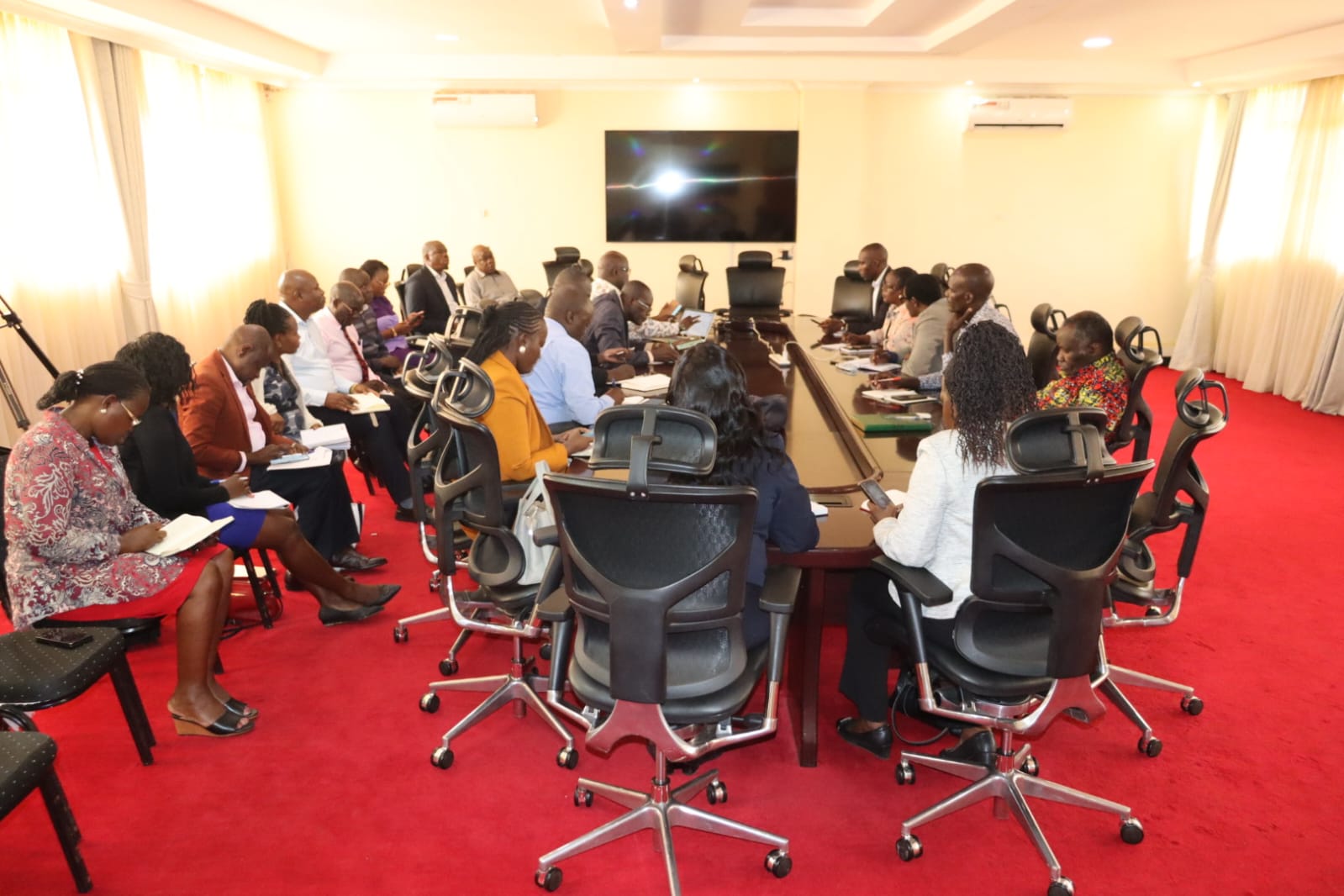
Siaya County has begun moving 900 new employees and 1,322 casual workers into the Integrated Human Resource Information System to meet treasury mandates. The County Assembly has questioned the legality of executive roles as the administration seeks to finalize the transition by the June 2026 deadline.
Key judgement
The Siaya County government's payroll digitization is a tactical maneuver to secure fiscal compliance without addressing the underlying patronage-driven recruitment culture. This will likely lead to continued budgetary instability as the wage bill remains unaligned with actual service delivery requirements.
The analysis is based on official county government records regarding payroll processing and independent reporting on the county's fiscal and political challenges. Rated Moderate rather than High: High confidence claimed with no primary institutional record in the file.
What to watch
- 2027-06-30: Final audit report on the IHRIS payroll integration success and wage bill impact.
- 2027-01-15: Any further legislative action by the Siaya County Assembly regarding the legality of executive payroll appointments.
Implications for decision-makers
- Political strategists must recognize that digital administrative reforms in Kenya are often used to mask patronage, not eliminate it.
- Investors and development organizations should demand granular, independent audits of county payrolls rather than accepting aggregate digital compliance reports.
Why it matters
The Siaya County government is currently transitioning staff into the Integrated Human Resource Information System (IHRIS). Acting County Secretary Elizabeth Adongo issued a directive targeting 900 new employees and 1,322 casual workers for onboarding. The administration states the goal is to standardize payroll and achieve compliance with national treasury mandates.
The county administration describes this transition as a modernization effort. However, the County Assembly has questioned the legality of executive roles and the speed of budget implementation. The administration aims to meet the June 2026 deadline for these payroll updates. The reliance on IHRIS is presented by the administration as a method to satisfy the Controller of Budget.
The county leadership mentions the system as the framework for payroll processing. The administration cites Social Health Authority (SHA) payments, noting an 85.4% claim settlement rate, as evidence of service delivery improvements. However, these figures are sometimes linked to administrative bottlenecks that impact frontline health facilities.
The administration is using the language of digital transformation to address a recruitment process that has historically been driven by political patronage. The county leadership hopes to satisfy the Controller of Budget and avoid the scrutiny that comes with manual, opaque payroll processing by forcing employees into a centralized digital framework. By focusing on the processing of Unique Personal Numbers, the administration avoids questions about why these positions were created and whether they provide tangible value.
The administrative focus on high-profile projects, such as those discussed by Governor James Orengo in Vienna regarding nuclear energy, coincides with a state of crisis in essential government functions including staff payments and procurement management. In Bondo, the construction of the Usenge Pier is a project led by the national government and the Kenya Ports Authority, while the county's role is often limited to providing political cover.
What we don't know yet
The long-term fiscal impact of the current recruitment and payroll strategy remains uncertain. While the administration is pursuing the integration of 1,322 casual workers, it has not provided public details on how this will affect the county’s long-term wage bill in relation to its revenue base. The Controller of Budget has not yet issued a final verdict on the sustainability of the current administrative costs.
There is no public confirmation on whether the upcoming audit of the payroll system will be conducted by an independent third party or internal entities. Furthermore, the extent to which the 85.4% SHA claim settlement rate translates into specific resource availability for local health facilities remains under review. The county has not published the full 2027/2028 Annual Development Plan, which would clarify future fiscal priorities regarding administrative overhead versus public service delivery.
The potential for a confrontation between the executive and the County Assembly regarding the legitimacy of these employment contracts remains a possibility. The administration has not detailed how it will resolve the historical lack of meritocratic public service requirements. It is unclear if the current reliance on IHRIS will function as a tool to dismantle or simply digitize existing patronage networks.
What to watch
Stakeholders should monitor the following developments in Siaya: The publication of the 2027/2028 Annual Development Plan, which will indicate if funding is prioritized for service delivery or administrative costs. Any additional directives from the Controller of Budget concerning the county’s compliance with national fiscal rules and wage bill management. Future County Assembly sessions regarding the audit of the IHRIS payroll system, which will provide insight into the legislative oversight of these administrative changes.
The physical implementation of local infrastructure projects, such as the Usenge Pier, to distinguish between county-led initiatives and projects managed by the national government and the Kenya Ports Authority. The actual availability of supplies and services at local clinics and schools, which serves as a metric for whether digital payroll processing has improved tangible service delivery compared to the data reported by the administration. Three likely scenarios exist: successful integration that temporarily stabilizes the wage bill without addressing patronage; continued pressure from the County Assembly and Controller of Budget forcing an audit and confrontation; or a system failure leading to a public scandal.
Observers should track if the county chooses to conduct a comprehensive workforce audit to remove ghost workers and align staffing levels with the actual revenue base.
Corrected 31 October 2026: The headline read "Siaya County’s Payroll Digitization: How the IHRIS Integration Masks a Structural Fiscal Crisis". It now reads "Siaya County implements IHRIS payroll integration for staff". A passage asserted a motive, intention, effect or wrongdoing that the sources cited did not state. It has been attributed to its source or removed.
Report an error in this briefing