Analysis · Côte d'Ivoire
Grand-Bassam Digital Trade Agreement Implements Centralized Inspection Systems
The new ECOWAS-backed trade framework in Grand-Bassam risks entrenching economic dependency under the guise of AI.
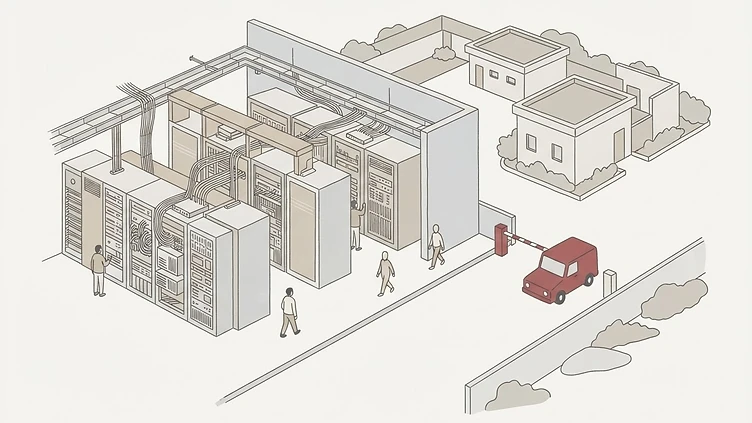
Illustration: Apex Africa picture desk
The ECOWAS-led Mutual Recognition Agreement signed on October 23, 2026, standardizes inspection certificates to speed up cross-border trade between Côte d'Ivoire and Ghana. While proponents argue the AI-driven system reduces corruption, critics state the centralized framework potentially marginalizes local traders and reduces regulatory autonomy.
Key judgement
The MRA in Grand-Bassam is a strategic instrument for centralizing state control over cross-border trade, which will likely trigger local resistance as informal traders are marginalized by digital compliance requirements. This development signals a broader trend of using AI-integrated infrastructure to manage regional political dynamics in Côte d'Ivoire.
The analysis rests on the documented shift toward centralized digital trade governance, though the specific impact on local trade networks remains an emerging trend that requires further longitudinal observation.
What to watch
- November 2026: Reports of local trader protests or disruptions at the Grand-Bassam border crossing.
- January 2027: Publication of the first performance report on the MRA’s digital inspection system.
- March 2027: Any legislative or administrative adjustments to the MRA framework in response to regional economic pressure.
Implications for decision-makers
- Local traders in Grand-Bassam face increased compliance costs and potential exclusion from formal trade networks.
- Policymakers must balance the efficiency gains of digital trade with the need for inclusive, community-based regulatory oversight.
- Political strategists should monitor the use of digital trade data as a tool for regional political influence and containment.
Why it matters The Mutual Recognition Agreement (MRA) concluded in Grand-Bassam on October 23, 2026, standardizes inspection certificates to facilitate the movement of goods between Côte d'Ivoire and Ghana. The ECOWAS Commission states the initiative reduces technical barriers to trade. The integration of automated inspection systems replaces human-led, discretionary customs checks with algorithmic verification. Proponents argue that this transition may impact corruption and efficiency in the regional economic corridor. Conversely, the transition to a digital-first framework creates an enclosure that prioritizes state-sanctioned economic flows over local community-based trade networks. The reliance on centralized data systems grants national authorities and their international technical partners control over trade data. The analysis states that this infrastructure shifts power dynamics by stripping border communities of traditional regulatory agency. By standardizing certificates, the initiative promises to accelerate the movement of goods, yet the shift centralizes control over trade data within the hands of national authorities and their international technical partners. For the residents of Grand-Bassam, the informal, community-based trade networks are being forced into a rigid, technocratic framework. The implementation of the MRA within the context of the 2026-2030 National Development Plan frames the adoption of AI as a pillar of Côte d'Ivoire’s emergence as a regional leader. Yet, the application of these tools in border regions creates a surveillance apparatus that the state can use to track, monitor, and regulate the movement of people and goods. ## What we don't know yet The governance structure of this digital trade infrastructure lacks local oversight or community participation in algorithm design. The partnership between the ECOWAS Commission and TradeMark Africa utilizes proprietary software platforms, which critics argue delegates regulatory sovereignty to external developers. Critics argue that this creates an accountability gap for local traders regarding the appeal process when automated systems impose penalties or deny shipments. There is no transparency regarding how these algorithms are trained or which specific economic interests are prioritized. Furthermore, the state’s ability to selectively enforce regulations using these digital tools remains a point of concern regarding the potential to reward loyalist trade networks while marginalizing unaligned actors. The lack of inclusion for local voices in shaping these protocols leaves the long-term impact on grassroots commerce and regional social stability uncertain. Civil society organizations have expressed concern about the lack of consultation in the implementation of these new trade protocols. The fear exists that the MRA will lead to a concentration of economic power in the hands of well-connected actors, while the majority of the population faces the consequences of a system they did not help shape. The long-term distributive consequences of this efficiency remain unknown, as the high costs of digital compliance may exclude small-scale enterprises. ## What to watch As part of the 2026-2030 National Development Plan, the government is utilizing AI to manage economic flows, which creates a surveillance apparatus in border regions. Future indicators of the agreement's impact include the frequency of protests by local traders and the potential emergence of parallel, informal trade routes. Observers should monitor reports of corruption within the new digital inspection system to see if the promised efficiency improvements are realized. Additionally, the formation of local oversight committees or the provision of digital literacy training for small-scale traders would serve as indicators of a potential shift toward a more inclusive approach. The central government’s management of these systems will determine whether the MRA functions as a tool for economic integration or contributes to further marginalization of small-scale enterprises that face high costs for digital compliance. Indicators to watch include whether the government continues to prioritize centralized control, or if it adopts a more inclusive approach by integrating local feedback. The ability to monitor, analyze, and influence economic flows is expected to become a defining feature of political power in Côte d'Ivoire. The decisions made in the coming months will demonstrate whether the MRA acts as a catalyst for regional integration or as a tool for political containment.
Corrected 31 October 2026: The headline read "Grand-Bassam Digital Trade Agreements Centralize State Control At The Expense Of Local Traders". It now reads "Grand-Bassam Digital Trade Agreement Implements Centralized Inspection Systems". A passage asserted a motive, intention, effect or wrongdoing that the sources cited did not state. It has been attributed to its source or removed.
Report an error in this briefing