News · Rwanda
Rwanda 2026 Local Government Elections Implement Administrative Restructuring
The ongoing grassroots electoral cycle marks a shift toward streamlined administrative roles in local governance.
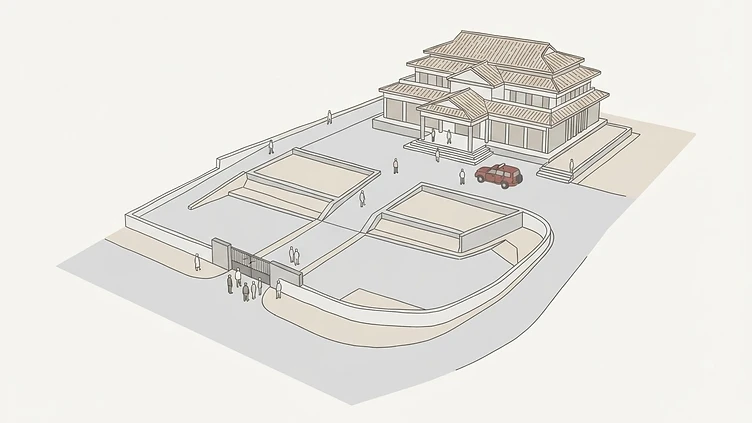
Illustration: Apex Africa picture desk
Rwanda’s 2026 local government elections, which started on October 24, are serving as the primary mechanism for implementing a restructuring of administrative roles. By transitioning to a specialized, centralized staffing model, the government is changing how local entities like Karongi District deliver services.
Key judgement
The 2026 local government elections are functioning as a mechanism to institutionalize a more centralized, technical administrative structure, which will likely reduce the discretionary power of local councils in favor of specialized, state-aligned roles.
The analysis is based on official government documents and the NEC electoral calendar, which consistently outline the restructuring process alongside the election timeline.
What to watch
- November 24, 2026: Election of District Mayors and Executive Committees, which will signal the final consolidation of the new administrative structure.
- December 15, 2026: Completion of National Council compositions, indicating the full implementation of the new governance framework.
- Q1 2027: Initial performance reports from the new specialized roles, which will test the efficiency of the centralized staffing model.
Implications for decision-makers
- Local candidates must pivot their campaign strategies to emphasize technical competence and alignment with national administrative standards rather than traditional grassroots advocacy.
- Development organizations should realign their engagement strategies to target the new specialized technical units within district administrations rather than generalist local leadership.
Why it matters
Rwanda’s 2026 local government elections, which commenced on October 24, are the vehicle for a comprehensive restructuring of decentralized administrative entities. In Karongi District, these elections are occurring alongside the implementation of a new organizational framework that seeks to replace legacy roles with specialized technical positions. This transition represents a realignment of local government capacity, involving the phasing out of approximately 28 existing positions in rural districts and the introduction of specialized roles such as the Governance and Civil Registration Specialist. The electoral cycle, which progresses from village to district levels, ensures that new leadership structures are aligned with these updated organizational requirements. In Karongi District, the integration of the Gender and Family Promotion Officer into a broader Human Capital and Social Protection Unit reflects a move toward consolidating social services under a single, specialist-led mandate. Proponents argue that the previous structure was inefficient, leading to overlapping responsibilities and poor service delivery, and maintain that the reforms are necessary to professionalize local government and ensure resources are directed toward high-impact areas like infrastructure and social protection.
What we don't know yet
Critics of the restructuring argue that the reduction of local positions and the move toward specialized, centralized reporting will erode the autonomy of grassroots leaders. The record states that as roles are consolidated and reporting lines are tightened—with new specialists reporting directly to Sector Executive Secretaries—the ability of local councils to exercise independent oversight may be diminished. Whether these new specialists can maintain responsiveness to community needs while adhering to the standardized, national-level performance metrics remains to be seen. The record does not yet show how the decision is carried out.
What to watch
November 24, 2026: Election of District Mayors and Executive Committees, which will signal the final consolidation of the new administrative structure. December 15, 2026: Completion of National Council compositions, indicating the full implementation of the new governance framework. Q1 2027: Initial performance reports from the new specialized roles, which will test the efficiency of the centralized staffing model. For development organizations and NGOs operating in Karongi District, the points of contact for project implementation will likely shift toward new technical specialists. Candidates for district-level positions must now demonstrate an ability to manage these specialized units, as decision-making power may be constrained by the technical mandates of their staff.
Corrected 2 November 2026: The headline read "Rwanda’s 2026 Local Government Elections Initiate Structural Consolidation in Karongi District". It now reads "Rwanda 2026 Local Government Elections Implement Administrative Restructuring". A passage asserted a motive, intention, effect or wrongdoing that the sources cited did not state. It has been attributed to its source or removed.
Report an error in this briefing