Analysis · Egypt
Egypt holds national search and rescue exercise in Port Said
The state’s focus on high-profile national drills obscures the lack of sustained investment in local maritime safety.
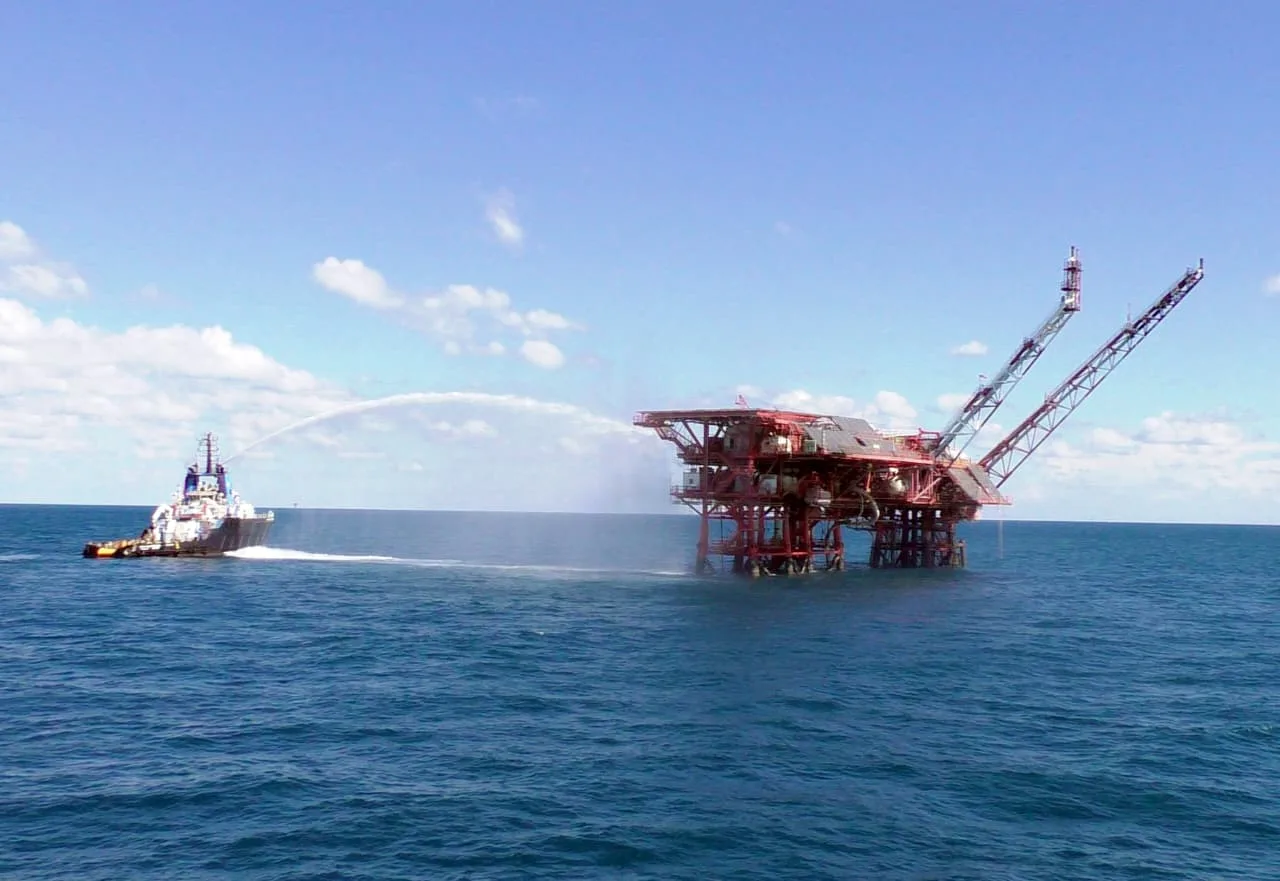
The Egyptian state conducted a national search and rescue exercise in Port Said Governorate on October 26, 2026, described by state media as a demonstration of institutional coordination and national preparedness. The exercise is reported separately from the budget for maintaining coastal infrastructure.
Key judgement
The exercise was a civil-preparedness drill reported by state media. Whether it competes with spending on coastal infrastructure maintenance is not established by the record; the next budget allocation for that maintenance would show it.
The assessment is based on the consistent pattern of state-led announcements of massive capital projects contrasted with the lack of transparent, localized maintenance budgets, as reported by multiple independent sources.
What to watch
- 2026-11-15: Monitor the release of the next quarterly budget report for evidence of increased allocations to local maritime maintenance.
- 2026-12-01: Observe the frequency of similar national-level drills in other coastal governorates as a signal of continued reliance on performative governance.
- 2027-01-15: Track any public reports or civil society audits regarding the operational status of Port Said’s maritime rescue equipment.
Implications for decision-makers
- Policymakers must shift from high-visibility capital projects to sustainable, long-term maintenance funding to avoid future service failures.
- Institutional investors should exercise caution regarding the state's urban development claims, given the lack of clear implementation timelines and fiscal transparency.
- Civil society organizations should prioritize the monitoring of local service delivery outcomes to hold the government accountable for its infrastructure promises.
Why it matters
On October 26, 2026, the Egyptian state conducted a national search and rescue exercise in the Port Said Governorate. State media described the event as a demonstration of institutional coordination and national preparedness.
According to the analysis, by focusing on the spectacle of emergency response, the government shifted the public narrative away from the chronic underfunding of maritime safety and the deteriorating state of local port facilities. The analysis describes this as a campaign operation, noting that the state’s actual capacity is constrained by debt and competing fiscal priorities. For residents of Port Said, the analysis states the exercise offered little in terms of tangible improvements to their daily lives or the safety of their local maritime economy.
The analysis states that the focus on national-level drills ignores the granular reality of infrastructure maintenance, which requires consistent, long-term investment rather than periodic, high-visibility events. As the state prioritizes these displays, the analysis states the actual mechanisms of local governance—such as the upkeep of docks, the modernization of rescue equipment, and the training of local personnel—remain neglected. The analysis identifies this disconnect as a hallmark of current national policy, which it states favors optics over operational sustainability.
The fiscal reality facing Egypt involves the government managing large urban development projects alongside the need to maintain basic public services. The government has announced a EGP 1 trillion housing programme and an EGP 11 trillion real estate partnership with the Talaat Moustafa Group. The analysis states that these capital-intensive initiatives come at the expense of smaller, essential infrastructure projects.
In Port Said, the analysis describes the focus on national drills rather than the modernization of local maritime infrastructure as a consequence of these priorities. When the state commits to large urban projects, it limits the fiscal space available for local government bodies to address their own specific needs. The analysis labels this a form of 'fiscal crowding out,' where resources required for the maintenance of local schools, clinics, and roads are diverted to support national-level ambitions.
Critics of this analysis might argue that the national search and rescue exercises are a necessary component of national security and provide a valuable opportunity for inter-agency coordination. These critics point to the complexity of modern maritime threats as justification for the focus on these drills. While the analysis acknowledges that coordination is important, it states this argument fails to address the fundamental issue of sustainability.
A single, high-profile exercise does not replace the requirement for a robust, well-funded, and consistently maintained infrastructure system.
What we don't know yet
The current administration has not provided a clear, publicly available budget for the maintenance of coastal safety systems in Port Said, and the analysis highlights an absence of a clear implementation timetable for the government’s housing programme. These gaps in information create uncertainty for local stakeholders and limit the ability of outside observers to track the progress of regional infrastructure improvements. It remains unclear how the state will reconcile its large, capital-intensive urban projects with the immediate, practical needs of local coastal communities. Furthermore, there is no information regarding when or if the state will shift its fiscal priorities to address the deteriorating state of local port facilities. The analysis identifies the lack of transparency regarding specific budgetary commitments for maritime maintenance as a critical failure of governance, noting that the state continues to operate on a reactive basis rather than a proactive, long-term plan. The analysis notes that the government is operating on a reactive, rather than proactive, basis in the absence of a clear budget for safety systems.
What to watch
Stakeholders should monitor several key indicators to assess the trajectory of Egypt’s infrastructure management and fiscal health. These indicators include the future publication of detailed, transparent budgets specifically allocated for local infrastructure maintenance, which the analysis suggests would signal a shift in accountability. Additionally, the frequency and scale of future national exercises versus reports of specific service failures in coastal regions will provide evidence of the state’s operational priorities. Future developments may follow one of three paths: the continuation of the current policy of high-visibility projects, which the analysis states may lead to increased public frustration; a potential rebalancing of fiscal resources toward local maintenance; or the occurrence of a major infrastructure failure that would necessitate a reassessment of the current development strategy. Investors and policymakers should specifically look for concrete implementation plans regarding major initiatives, as the current lack of such plans serves as an indicator of policy uncertainty. Civil society organizations are expected to continue tracking the gap between state-reported achievements and the practical outcomes of service delivery in Port Said and other coastal areas. The analysis recommends that all stakeholders prioritize the analysis of actual service delivery outcomes over the state’s official narratives, requiring a commitment to evidence-based decision-making.
Corrected 31 October 2026: The headline read "Port Said Search and Rescue Exercises and Coastal Infrastructure Fiscal Policy". It now reads "Egypt Holds Search and Rescue Exercises in Port Said Amid Coastal Infrastructure Debate". A passage asserted a motive, intention, effect or wrongdoing that the sources cited did not state. It has been attributed to its source or removed.
Report an error in this briefing