Analysis · Malawi
Mzimba District: The Chiefs Act Legislative Pivot and the Centralization of Traditional Authority
Proposed legislation to formalize chief welfare risks tethering traditional leadership to executive patronage.
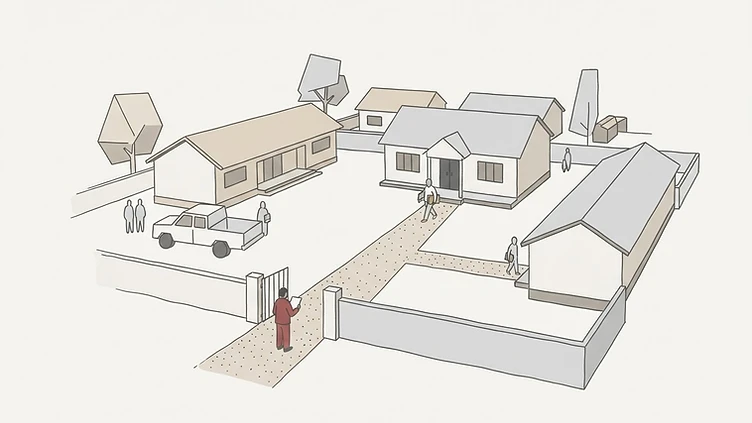
Illustration: Apex Africa picture desk
The Malawian government's plan to introduce a new Chiefs Act in February 2027 aims to standardize the welfare of traditional leaders, but critics argue it risks institutionalizing executive control over grassroots authority. By formalizing the state's role in the financial and administrative lives of chiefs, the policy threatens to erode the independence of traditional structures in regions like Mzimba. This development highlights a broader tension between national governance agendas and the autonomy of local community leadership.
Key judgement
The proposed Chiefs Act is likely to be used as a mechanism to consolidate executive influence over rural political structures, effectively transforming traditional leaders into state-dependent actors. This will likely lead to increased friction between the central government and local communities as the independence of traditional authority is eroded.
The assessment rests on the government's stated intent to formalize chief welfare and historical patterns of executive centralization in Malawi; it would change if the final bill includes explicit legal protections for the autonomy of traditional leaders.
What to watch
- February 2027: Tabling of the Chiefs Act in Parliament.
- December 2026: Release of the draft bill for public consultation.
- January 2027: Public statements from the Council of Chiefs regarding the proposed legislation.
Implications for decision-makers
- Traditional leaders face a choice between accepting state-funded welfare and maintaining their independence from executive influence.
- Political strategists should prepare for a shift in rural mobilization tactics as the government seeks to align traditional structures with national policy agendas.
- Civil society organizations must prioritize advocacy for the inclusion of independence safeguards in the upcoming legislative process.
National Legislative Shift
The Malawian government has announced plans to table a new Chiefs Act in Parliament this coming February, a move framed by the Ministry of Local Government and Rural Development as a necessary intervention to standardize the welfare and administrative support for traditional leaders. Minister Dr. Ben Malunga Phiri confirmed the legislative timeline during the burial of Inkosi Chindi IV at Euthini Headquarters in Mzimba District on October 28, 2026. The proposed law seeks to codify the state's obligations toward traditional authorities, moving beyond current ad-hoc arrangements to a structured, state-funded welfare framework.
Why it matters
Traditional leaders in Malawi serve as the primary interface between the state and rural communities, holding significant influence over land tenure, local dispute resolution, and the mobilization of public support. By centralizing the regulation of their welfare, the executive branch risks creating a dependency model where the financial security of chiefs is directly tied to legislative and ministerial approval, potentially compromising their role as independent arbiters of local governance.
What we don't know yet
It remains unclear whether the proposed Act will include specific provisions to protect the political neutrality of traditional leaders or if it will grant the Ministry of Local Government expanded powers to appoint and discipline chiefs based on performance metrics defined by the executive.
Background
The relationship between the state and traditional authorities has been a recurring point of friction in Malawian politics, often characterized by attempts to align local leadership with the ruling party's national agenda. In recent months, the government has faced scrutiny over its efforts to centralize control over various public institutions, including the ongoing, contested relocation of the Malawi Electoral Commission (MEC) to Blantyre. The announcement of the Chiefs Act follows a period of heightened focus on institutional oversight, with Parliament currently interviewing candidates for the Independent Complaints Commission to police judicial conduct.
The Centralization Argument
The government’s push for a formal Chiefs Act is presented as a modernization effort, yet it mirrors a broader trend of consolidating administrative control under the guise of efficiency. In Mzimba, where traditional structures remain deeply embedded in the social fabric, the prospect of state-mandated welfare packages could effectively turn chiefs into civil servants. This shift would likely diminish the capacity of traditional leaders to challenge government policies that negatively impact their constituents, such as land allocation or the distribution of agricultural inputs.
While proponents argue that formalization will provide much-needed stability and dignity to the institution of chieftaincy, skeptics point to the potential for political capture. If the state controls the purse strings and the legal framework governing the tenure of chiefs, the incentive for local leaders to act as conduits for government propaganda during election cycles becomes significantly higher. This structural change could undermine the legitimacy of traditional leaders in the eyes of communities that rely on them for impartial representation.
Counter-View
They argue that a standardized, state-backed welfare system is the only way to ensure that chiefs can perform their duties without being beholden to local business interests or partisan actors. From this perspective, the Act is not a tool for control but a necessary modernization of a colonial-era administrative relic that has failed to adapt to the demands of a contemporary democratic state.
Strategic Implications
For policymakers and political strategists, the Chiefs Act represents a critical test of the government's commitment to decentralized governance. If the legislation is passed without robust safeguards for the independence of traditional authorities, it will likely trigger a backlash from civil society organizations that view the move as an encroachment on local autonomy. Political parties should anticipate that the implementation of this Act will become a central issue in the lead-up to the 2030 general election, as the battle for the loyalty of traditional leaders intensifies.
Stakeholders, including NGOs and development partners, should monitor the specific clauses of the bill regarding the appointment and removal of chiefs. If the executive retains unilateral power, the risk of political weaponization of the office is high. Strategists should focus on building alliances with traditional leaders who prioritize community-led development over state-sponsored patronage, ensuring that local governance remains responsive to the needs of the people rather than the directives of the central government.
What to watch
February 2027: Tabling of the Chiefs Act in Parliament.; December 2026: Release of the draft bill for public consultation.; January 2027: Public statements from the Council of Chiefs regarding the proposed legislation.
Report an error in this briefing