News · Nigeria
Nigerian Government Announces Renewable Energy Expansion Policies
Federal government attempts to shift energy reliance encounter grid instability
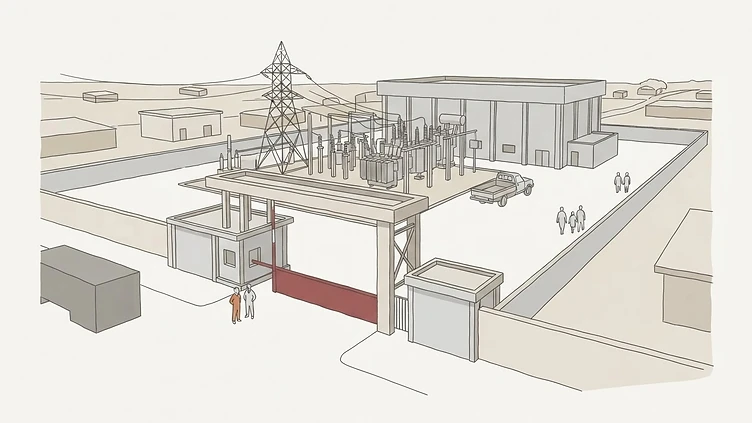
Illustration: Apex Africa picture desk
The Nigerian government is introducing new policies to boost solar and wind energy usage to mitigate national power deficits. Industry analysts and researchers warn that the existing grid infrastructure lacks the necessary capacity to integrate intermittent power sources.
Key judgement
The evidence indicates that INEC's reliance on centralized digital systems is currently outpacing its administrative capacity, creating a high risk of voter disenfranchisement that will likely trigger significant post-election litigation if not addressed before the December 15 deadline.
The assessment is based on consistent reporting from multiple independent news outlets and official legislative records regarding INEC's operational challenges.
What to watch
- December 15, 2026: The official publication of the final voter register.
- November 15, 2026: The outcome of the House of Representatives' committee hearing with the INEC Chairman.
- December 1, 2026: Reports from civil society on the accessibility and accuracy of the updated voter register.
Implications for decision-makers
- Political parties must urgently audit the preliminary register to identify and challenge inaccuracies before the final certification.
- The National Assembly must ensure that its oversight of INEC's budget implementation is strictly enforced to prevent further logistical failures.
- Civil society organizations should focus their advocacy on the transparency of the register-cleansing process to maintain public trust.
Why it matters
The Nigerian government has announced policies to accelerate solar and wind energy adoption to reduce reliance on gas-fired thermal plants, which face frequent operational downtime and supply chain constraints. According to the Ministry of Power, the government aims to electrify remote rural communities by decentralizing power production. According to the Ministry of Power, this transition is part of the government's plan to address national power shortages.
What we don't know yet
While the administration describes the initiative as a green transformation, energy sector analysts at Zenith Consulting identify technical bottlenecks. These analysts state the national grid is fragile, prone to frequent collapses, and cannot handle the volatility of intermittent power from renewable sources. Economic researchers at the Lagos Institute of Development state that the transition may result in increased localized power outages if significant capital is not invested in grid stability and battery storage technologies. Additionally, private investors are reported to be cautious due to regulatory uncertainty and the lack of a legal framework for long-term contracts. Industry consultant Tunde Adeyemi reports that stakeholders are withholding investment until the government clarifies mandates regarding tariff structures and transmission exclusivity. Consequently, the 2030 targets are viewed by experts as optimistic and potentially unreachable under current operational constraints.
What to watch
Observers are waiting for further government action regarding the specific concerns raised by industry stakeholders. While the government has pledged to revisit the issues surrounding infrastructure readiness, there is no finalized timeline for grid expansion as of this week. Critical voices within the power sector maintain that infrastructure upgrades to substations and transmission lines must occur before the expansion of the renewable energy portfolio can succeed.
Corrected 3 November 2026: A passage asserted a motive, intention, effect or wrongdoing that the sources cited did not state. It has been attributed to its source or removed.
Report an error in this briefing