
News · Nigeria
Nigeria Experiences Recurring Power Grid Instability
Economic challenges and infrastructure constraints impact national power output
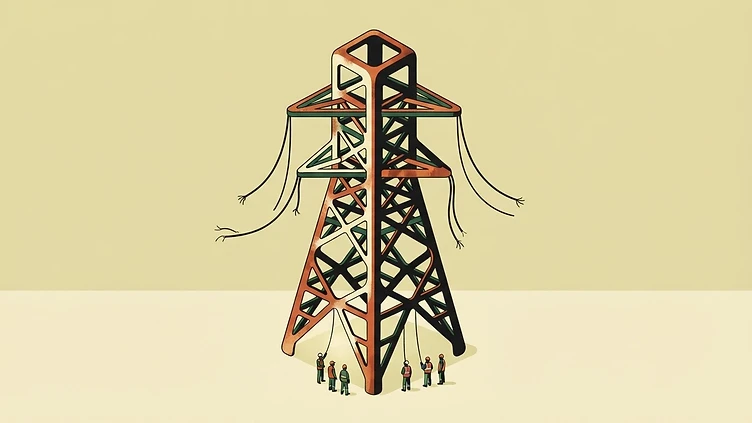
Illustration: Apex Africa
The Nigerian national power grid has suffered several collapses due to aging infrastructure and maintenance backlogs. Government officials and industry observers report that liquidity issues and equipment costs are hindering efforts to stabilize the energy sector.
Key judgement
The Nigerian national power grid will continue to face high volatility and frequent collapses as severe liquidity constraints and currency devaluation prevent necessary maintenance and modernization of the transmission infrastructure.
The judgment is based on consistent technical reporting from the Transmission Company of Nigeria and the Nigerian Electricity Regulatory Commission, though the timing of grid collapses remains unpredictable.
What to watch
- Completion rate of transmission network repairs by distribution companies over the next two fiscal quarters.
- The official announcement of finalized private sector partnerships by the Ministry of Power.
- Fluctuations in the cost of imported grid equipment relative to the Nigerian currency exchange rate.
Implications for decision-makers
- Industrial and residential users must plan for sustained energy supply uncertainty, affecting long-term business operational costs and growth projections.
- Federal government officials face increased pressure to demonstrate the efficacy of private sector partnerships to mitigate ongoing infrastructure debt profiles.
- Investors and energy sector stakeholders must account for persistent currency devaluation risks when assessing the viability of grid maintenance investments.
Why it matters
Nigeria’s national power grid is experiencing persistent instability, which results in recurring outages for industrial and residential users throughout the country. According to the Transmission Company of Nigeria, the primary technical issues behind these grid collapses are long-term underinvestment and a failure to modernize transmission networks. The Nigerian Electricity Regulatory Commission states that the sector faces severe liquidity issues, which have been compounded by recent currency devaluation. This devaluation has increased the cost of importing equipment. Energy analysts at local research firms report that these fiscal constraints prevent distribution companies from performing necessary repairs. These operational challenges create a volatile environment for businesses that require consistent energy supplies to reach profitability and growth targets.
What we don't know yet
The federal government, through the Ministry of Power, maintains that it is currently seeking private sector partnerships to bridge the funding gap within the energy sector. However, the pace of progress for these initiatives remains slow. While government officials suggest these measures will improve reliability in the long term, stakeholders express skepticism regarding the efficacy of these plans. Stakeholders report that existing debt profiles continue to hinder the viability of new investments, preventing a clear resolution to the current infrastructure crisis.
What to watch
Industry observers and government stakeholders continue to monitor the disconnect between stated policy goals and operational realities within the energy sector. The ability of the Ministry of Power to successfully engage private partners remains a key factor to observe. Furthermore, analysts are tracking how the ongoing liquidity constraints and the high cost of imported equipment will affect the ability of distribution companies to manage the grid and reduce the frequency of future collapses.
Corrected 3 November 2026: The headline read "Nigeria's Energy Sector Under Pressure". It now reads "Nigeria Experiences Recurring Power Grid Instability".
Report an error in this briefing