
Analysis · Nigeria
Nigeria: Electoral Integrity and the Voter Register Display
An examination of the statutory process for voter validation in Nigeria
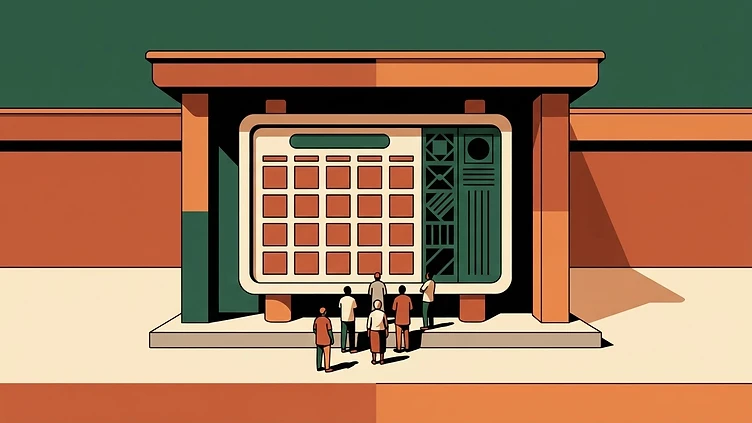
Illustration: Apex Africa
This briefing analyzes the voter register display period in Nigeria, detailing the regulatory framework, concerns regarding data accuracy, and the implications for electoral transparency.
Key judgement
The evidence indicates that systemic technical vulnerabilities in the voter registration database are undermining public confidence in the 2027 electoral process. Unless the commission provides a transparent audit of the register before the December 15 deadline, the legitimacy of the upcoming elections will face significant legal and political challenges.
The assessment is based on consistent reporting from multiple independent news outlets and official INEC press releases regarding the ongoing voter register audit.
What to watch
- December 15, 2026: Publication of the final certified voter register.
- November 15, 2026: Response from the Nigeria Data Protection Commission regarding the SERAP petition.
- January 16, 2027: Commencement of the Presidential and National Assembly elections.
Implications for decision-makers
- Political parties must intensify their scrutiny of the voter register in their respective strongholds to mitigate the risk of ghost voters.
- The Nigeria Data Protection Commission faces pressure to assert its regulatory authority over INEC to prevent further data integrity breaches.
- Civil society organizations should focus on monitoring the final certification process to ensure that identified discrepancies are formally corrected.
The Independent National Electoral Commission (INEC) in Nigeria has initiated the scheduled display of the voter register, a critical phase in the electoral cycle. According to the provisions of the Electoral Act 2022, this period is established to provide a window for citizens to verify their details, report errors, and ensure the integrity of the database ahead of upcoming polls. The commission states that this period is intended to allow for the identification and correction of discrepancies.
Civil society organizations have raised concerns regarding the accessibility of these centers in rural areas, noting that without robust public sensitization, participation remains low. In urban centers, digital verification platforms have seen a surge in traffic, yet technical glitches have been reported by users trying to confirm their polling unit locations. INEC officials emphasize that the display process remains a cornerstone of democratic accountability, as mandated by the governing legislation.
Analysts tracking the process observe that the commission faces a dual challenge: ensuring that data is comprehensive and that the cleanup process remains transparent to all political stakeholders. The current exercise is being monitored by independent observers who emphasize that the accuracy of this register is the fundamental prerequisite for a credible election. These observers maintain that the register reflects the national demographics only if the display period effectively bridges the gap between digital data and physical reality.
The process will conclude as per the timetable published by the commission last quarter. The efficacy of this exercise remains a subject of ongoing debate among electoral reform advocates, who argue that the physical verification of records is as important as the electronic capture of voter details. Despite these technical hurdles, the administrative machinery remains focused on meeting the deadlines set by the Electoral Act, aiming to finalize the register before the commencement of the final distribution of permanent voter cards.
The upcoming weeks are critical as the commission moves from the verification phase to the consolidation phase, ensuring that all reported corrections are duly processed and reflected in the final master list.
Report an error in this briefing