News · Guinea
Guinea and the Mano River Union: Border Security Realignment
Assessing the shift in regional governance and security cooperation
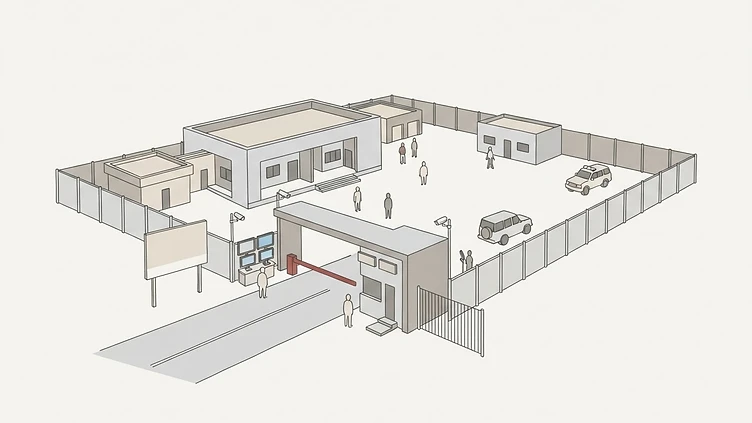
Illustration: Apex Africa picture desk
The integration of Guinea into the Mano River Union (MRU) security framework is reshaping border governance, with significant implications for intelligence sharing and cross-border operational stability.
Key judgement
The evidence indicates that border management in Foya District is shifting from unilateral military control to a regionalized oversight model, which will likely reduce the autonomy of local commanders while increasing the influence of the Mano River Union and ECOWAS in local governance.
The rating rests on the formal adoption of the joint security roadmap, though the actual implementation at the local level remains subject to the cooperation of local military actors.
What to watch
- 2026-11-06: The 21st General Assembly of the West African Power Pool in Conakry, which may signal further regional integration of infrastructure governance.
- 2026-12-01: The next scheduled MRU summit, which will serve as a trigger to assess the progress of the joint security roadmap in Foya District.
Implications for decision-makers
- Local district officials in Foya must align administrative protocols with regional security mandates to maintain access to cross-border trade and development funding.
- Institutional investors and development organizations should monitor the stability of the Foya corridor as a proxy for the effectiveness of the new regional security framework.
The Mano River Union (MRU) is currently undergoing a strategic transformation in its approach to regional security, specifically regarding the border management protocols involving Guinea. The initiative, primarily driven by the MRU Secretariat, aims to institutionalize joint patrols and standardized intelligence-sharing mechanisms across member states. According to the African Security Center (ASC), these measures are intended to harmonize security responses to transnational threats, including trafficking and insurgent movements that have historically exploited porous borders.
The implementation of this framework has required significant administrative cooperation from Conakry. Guinean authorities have integrated these MRU protocols into their national border security strategy, marking a departure from the previously centralized and guarded approach to territorial management. This transition has necessitated a high degree of technical alignment between Guinean border guards and their regional counterparts, a process that experts at the MRU Secretariat note has faced logistical hurdles but is fundamentally altering the day-to-day operations of security personnel on the ground.
Why it matters: The reconfiguration of border governance within the MRU represents a pivot toward supranational security management in West Africa. This shift is critical as it indicates a move away from bilateral security reliance toward a multilateral operational model, potentially reducing the ability of individual states to operate unilaterally in contested border zones. What we don't know: Despite the reported operational changes, the long-term impact on the actual reduction of illicit cross-border activity remains to be quantified.
It is unclear how the MRU will reconcile these supranational security directives with the specific political sensitivities of Guinea’s current administration, particularly regarding sovereignty. What to watch: Observers should monitor the frequency of joint patrol deployment and the level of data transparency within the intelligence-sharing network. Specifically, watch for any friction between national security agencies and the MRU’s centralized monitoring bodies as they attempt to balance regional mandates against domestic security priorities in Guinea over the next fiscal quarter.
Report an error in this briefing