Risk Assessment · South Sudan
South Sudan National Elections Commission Faces Procurement Delays
An analysis of NEC procurement challenges and civil society concerns regarding the upcoming electoral cycle.
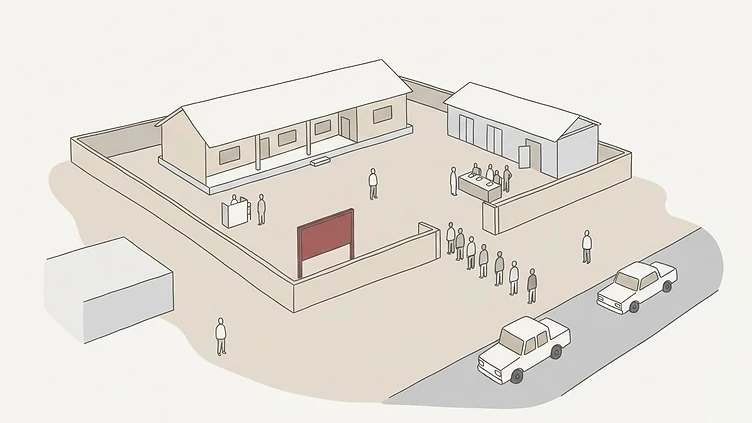
Illustration: Apex Africa picture desk
The National Elections Commission in South Sudan is experiencing procurement delays that have drawn scrutiny from domestic stakeholders. A civil society coalition claims that government actions regarding candidate lists during this period may undermine the integrity of the electoral process.
Key judgement
The evidence indicates that the SPLM is prioritizing internal party consolidation in states like Jonglei over the creation of a credible, inclusive national electoral environment. This suggests that the December 2026 elections will likely be characterized by a lack of genuine competition and a reliance on party-controlled structures rather than a broad democratic mandate.
The analysis is based on official party announcements, legislative records, and reports from independent civil society and international monitoring bodies.
What to watch
- November 2026: Commencement of national voter registration by the NEC.
- December 2026: Publication of the final list of candidates for the national and state assemblies.
Implications for decision-makers
- Political strategists should anticipate a highly controlled electoral environment where party-internal selection processes effectively determine the outcome before the national vote.
- Development organizations and NGOs should prepare for potential legitimacy crises if the national electoral process fails to meet the inclusive standards demanded by civil society.
Why it matters
As South Sudan prepares for its upcoming electoral cycle, the National Elections Commission (NEC) is currently contending with significant procurement obstacles. These logistical delays have prompted intense scrutiny from various domestic stakeholders, who are observing the commission's ability to manage its administrative duties. Specifically, a civil society coalition has publicly stated that the government's decision to advance its own candidate lists while the NEC struggles with essential procurement creates a perception of unfair political maneuvering.
According to the coalition, this approach threatens the integrity of the electoral process by potentially marginalizing independent oversight. This environment of uncertainty is compounded by a complex political landscape where factional interests often clash with constitutional requirements. The tension between the need for logistical readiness and the pressure to meet political timelines remains the defining feature of the current transition period.
Stakeholders remain divided on whether these delays are merely technical or symptomatic of deeper political recalcitrance. The current situation reflects a broader trend of institutional strain within the state apparatus, where administrative functions are frequently secondary to the strategic positioning of political actors. As the situation evolves, the focus remains on the commission's ability to normalize its supply chain operations without further aggravating the current political friction.
What we don't know yet
It remains unclear how the National Elections Commission will resolve the logistical impediments currently hindering its procurement operations. While the civil society coalition has stated concerns regarding the government's decision to advance its own candidate lists, the record does not yet show how that specific decision is carried out in practice or what the resulting impact on the ballot composition will be. Furthermore, stakeholders continue to debate whether the ongoing delays are strictly technical in nature or if they indicate deeper political recalcitrance as suggested by some participants in the discourse. The extent to which administrative functions within the state apparatus will remain secondary to the strategic positioning of political actors is also not currently established by the available records. Consequently, there is no clarity on whether the commission can secure the necessary materials or normalize its supply chain operations in a timeframe that avoids further aggravating the current political friction. The specific outcomes of the commission's efforts to address these procurement obstacles, and the subsequent reaction from domestic stakeholders, remain to be determined as the election timeline progresses.
What to watch
- November 2026: Commencement of national voter registration by the NEC. This period will be a critical indicator of the commission's ability to move past current logistical hurdles.
- December 2026: Publication of the final list of candidates for the national and state assemblies. This release will provide clarity on the government's previously reported advancement of candidate lists and the potential responses from the civil society coalition.
- Any further updates from the NEC regarding their supply chain operations. These updates will demonstrate if the commission is succeeding in its effort to separate administrative functions from the influence of political actors.
- The continued monitoring of the election timeline by domestic stakeholders, who remain divided on the underlying causes of the current procurement delays.
Corrected 2 November 2026: The headline read "South Sudan: Electoral Preparations Amidst Institutional Fragility". It now reads "South Sudan National Elections Commission Faces Procurement Delays".
Report an error in this briefing