

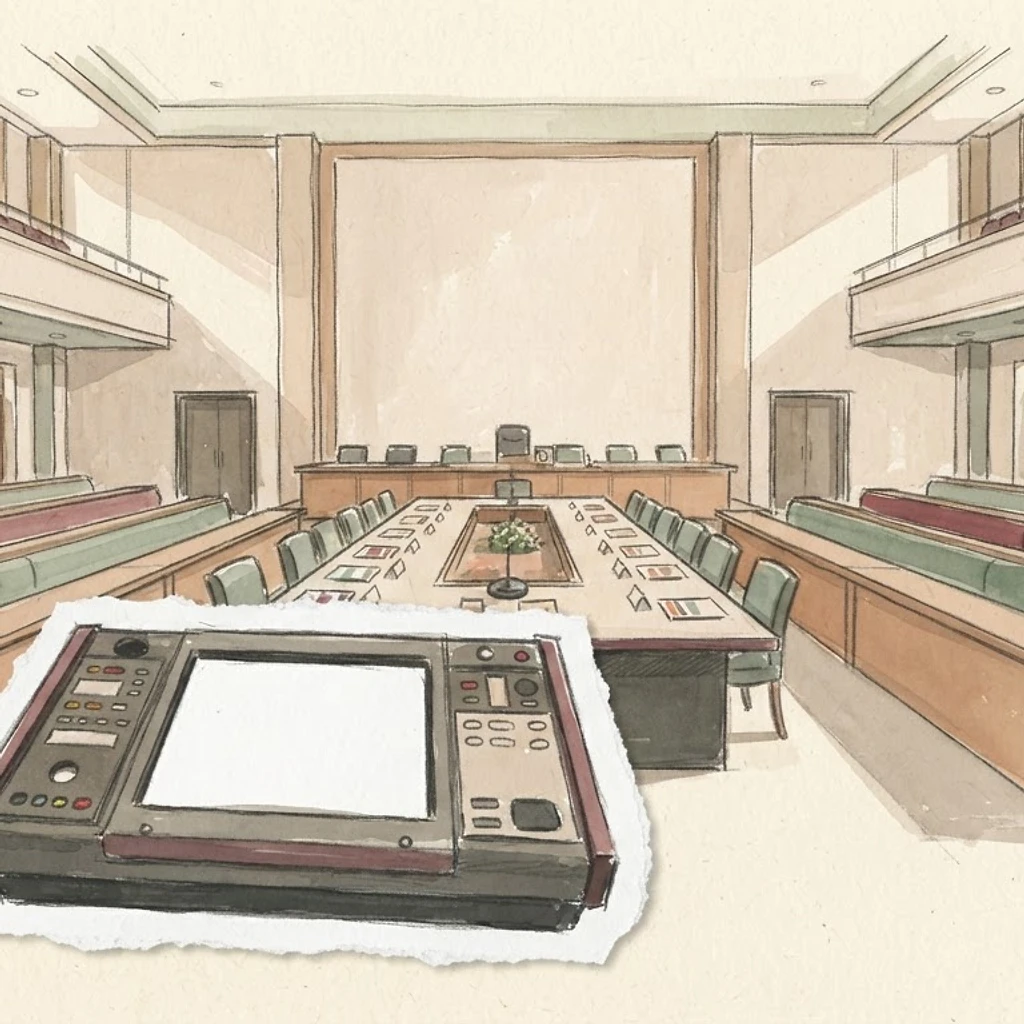
Illustration: Apex Africa
Uganda: Party Oversight Initiatives
Analysis of the National Resistance Movement's Parliamentary Strategy
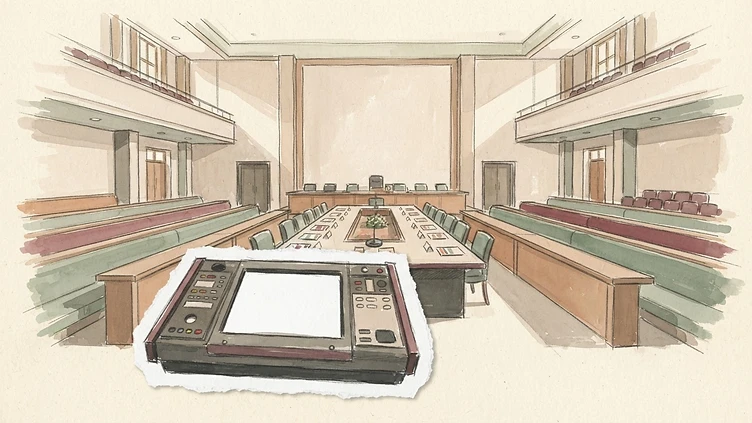
The National Resistance Movement has introduced a new internal oversight program for its parliamentary members to monitor discipline and legislative alignment.
The Gen Z Read
This story in plain English
Sixty seconds, no jargon. Written for readers new to the politics.
Uganda’s ruling party is setting up checks on its lawmakers to keep their votes and work in line with party decisions.
- The National Resistance Movement says its new program will check whether members of parliament follow party decisions and its manifesto.
- The program will include regular performance reviews and required reporting sessions for lawmakers.
- Party leaders aim to limit challenges from lawmakers who disagree with proposals led by the executive.
- Regional party whips are due to send quarterly reports to the Government Chief Whip from the first quarter of 2027.
The reporting does not show a direct change yet to jobs, school costs, transport or health services. If party checks make it harder for lawmakers to challenge party decisions, that could affect how well they speak for their communities, but the impact will take time to judge.
Words decoded
- Manifesto
- A party’s published promises and plans.
- Caucus
- A group of lawmakers from the same party who meet to discuss decisions.
- Backbenchers
- Lawmakers who are not in senior government or party roles.
- Regional whip
- A party official who tracks lawmakers’ work and helps keep them in line with party decisions.
What should matter more when a lawmaker votes?
Be the first to answer
Key judgement
The NRM’s new regional whipping system is a strategic effort to centralize legislative control and preemptively neutralize local dissent by embedding party surveillance into regional parliamentary structures.
The analysis is based on official parliamentary records and recent reports regarding the NRM's internal restructuring, which are consistent across multiple sources.
What to watch
- Quarterly situational reports submitted by regional whips to the Government Chief Whip, starting Q1 2027.
- Frequency of disciplinary actions taken against MPs who deviate from the party line in plenary sittings.
- Public statements from regional caucuses regarding the implementation of the Parish Development Model.
Implications for decision-makers
- MPs will face increased pressure to align with executive priorities, potentially reducing the effectiveness of local advocacy.
- Political strategists must account for the new regional whipping structure when planning legislative lobbying or coalition-building efforts.
- Development organizations should monitor whether the new reporting mechanism improves or hinders the transparency of government programme implementation.
The political landscape in Uganda remains dominated by the structural mechanics of the National Resistance Movement (NRM). According to the NRM Secretariat, this program is intended to ensure that members of parliament remain aligned with party manifestos and caucus decisions throughout the legislative session. Analysts observe that this move represents a significant centralization of power within the party apparatus, as it creates a direct link between parliamentary actions and party leadership mandates. The implementation of this framework involves regular performance audits and mandatory reporting sessions for MPs, which legal scholars point out may have implications for the independence of the legislature as a co-equal branch of government. By monitoring individual participation, the party aims to mitigate the influence of independent-minded backbenchers who have previously challenged executive-led proposals. This development underscores the ongoing tension between centralized party authority and the constitutional mandate of individual legislators to act in the best interests of their constituents. As the program matures, political observers suggest that it will likely test the limits of party cohesion versus parliamentary autonomy. Further shifts in internal governance are expected as the NRM prepares for upcoming legislative cycles, signaling a potential shift in how party discipline is enforced in the Ugandan context.
Why it matters
The National Resistance Movement has introduced a new internal oversight program for its parliamentary members to monitor discipline and legislative alignment.
What we don't know yet
The record does not yet show how the decision is carried out.
What to watch
Quarterly situational reports submitted by regional whips to the Government Chief Whip, starting Q1 2027.; Frequency of disciplinary actions taken against MPs who deviate from the party line in plenary sittings.; Public statements from regional caucuses regarding the implementation of the Parish Development Model.
Report an error in this briefing