

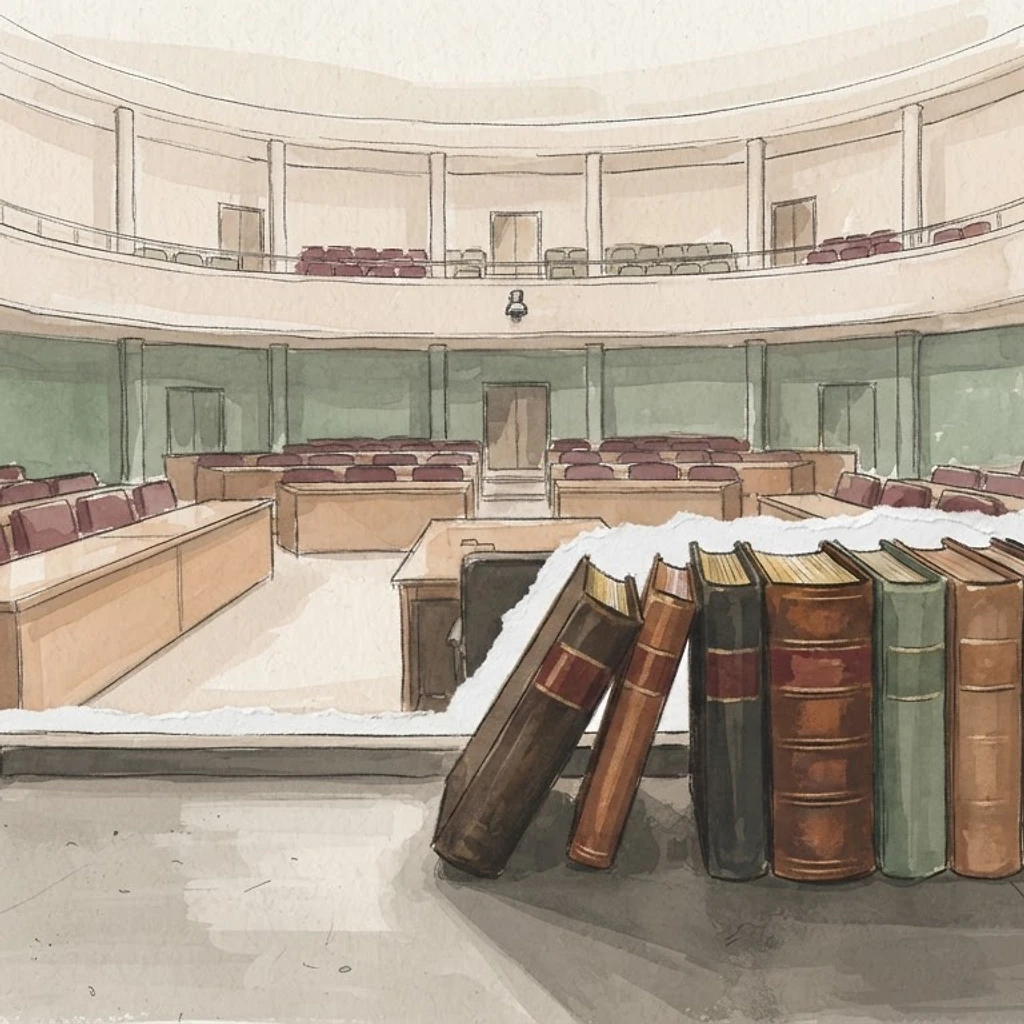
Illustration: Apex Africa
Togo's Constitutional Transition: Navigating Political Turbulence
An assessment of the recent constitutional reforms and the resulting impact on political stability in Togo.
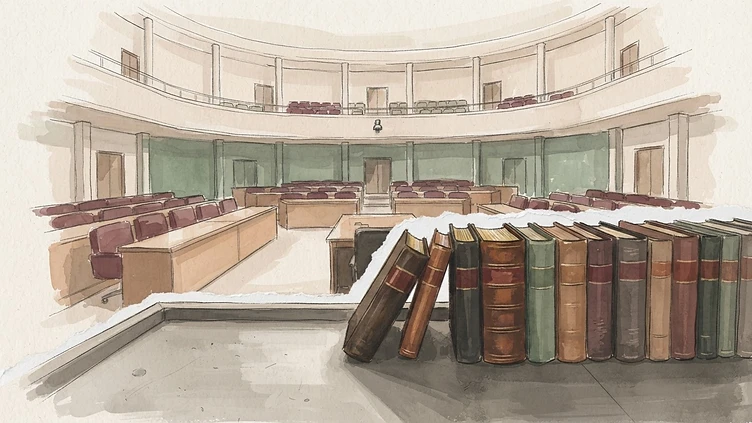
Togo’s transition to a parliamentary system has sparked significant internal debate and regional scrutiny. This analysis examines the legislative shift, the responses from civil society and religious groups, and the implications for long-term governance.
The Gen Z Read
This story in plain English
Sixty seconds, no jargon. Written for readers new to the politics.
Togo’s parliament adopted a new constitution shifting the country from a presidential to a parliamentary system, but critics say the public was not properly consulted.
- Togo’s National Assembly adopted a new constitution, moving the country from a presidential to a parliamentary system.
- Government spokespeople said the change is meant to modernize lawmaking and make the executive more accountable.
- Opposition leaders, the Catholic Bishops Conference of Togo and civil society groups questioned the lack of public consultation and transparency.
- International monitors urged the government to be more transparent as Togo approaches future legislative cycles.
The report does not show an immediate change to jobs, fares, school costs or health services, so daily life may not change much yet. Over time, how power is checked under the new system could affect political rights and future votes, but the report says those effects remain uncertain.
Words decoded
- Parliamentary system
- A system where the government’s executive leadership is linked to the elected parliament.
- Checks and balances
- Rules and institutions that limit how much power any one part of government can use.
- Civil society organizations
- Groups outside government that work on public issues, such as rights or community needs.
- National Assembly
- Togo’s lawmaking body, whose members adopted the new constitution.
What matters most to you in a change to how a country is governed?
Be the first to answer
Key judgement
The concentration of tax expenditures among a small corporate elite is creating a fiscal bottleneck that prevents the government from funding essential local services, thereby increasing political vulnerability in rural regions.
The analysis is based on official government data regarding tax expenditures and corroborated by reports on regional development challenges and political opposition activities.
What to watch
- 2027 Budget presentation: Watch for changes in tax expenditure caps or new revenue mobilization measures.
- Opposition mobilization: Monitor the CNCC's ability to link fiscal policy to local service delivery failures in rural areas.
- SOCO project implementation: Track the release of funds for border community development as a proxy for state fiscal health.
Implications for decision-makers
- Policymakers must address the fiscal imbalance to prevent further erosion of public trust in rural constituencies.
- Political strategists should focus on the link between corporate tax breaks and the lack of local service delivery to build opposition narratives.
- Development organizations should prioritize transparency in tax incentive reporting to ensure that fiscal policy supports, rather than hinders, regional development.
The political landscape in Togo has undergone a significant transformation following the recent adoption of a new constitution by the National Assembly. This shift marks a fundamental move from a presidential system to a parliamentary framework, a change that has prompted intense reactions across the country. According to government spokespeople, the move is intended to modernize the legislative process and improve executive accountability.
However, critics and opposition leaders argue that the lack of broad public consultation prior to the vote undermines the democratic legitimacy of the new structure. The Catholic Bishops Conference of Togo has expressed deep concerns regarding the timing and the procedural transparency of these reforms, noting that such pivotal constitutional changes require a more inclusive national dialogue to prevent social fragmentation. Civil society organizations have similarly echoed these sentiments, with local legal experts noting that the transition could concentrate power in ways that might limit the effectiveness of future checks and balances.
The government maintains that all procedures were followed in accordance with the existing statutes of the National Assembly. As Togo prepares for upcoming legislative cycles, the tension between the ruling administration and opposition coalitions remains a focal point for regional observers. International monitors have urged the Togolese government to prioritize transparency to maintain public trust.
The economic implications of this shift remain largely uncertain, with market analysts suggesting that political stability will be the primary driver for foreign investment in the coming quarters. The current climate in Lome reflects a period of wait-and-see, as stakeholders monitor whether the new parliamentary model will foster the stability the government promises or lead to increased polarization as opposition groups organize their platforms. The constitutional debate is expected to dominate the legislative agenda for the remainder of the year, providing a critical litmus test for the resilience of Togo’s institutional framework and its ability to reconcile competing political visions.
Report an error in this briefing