

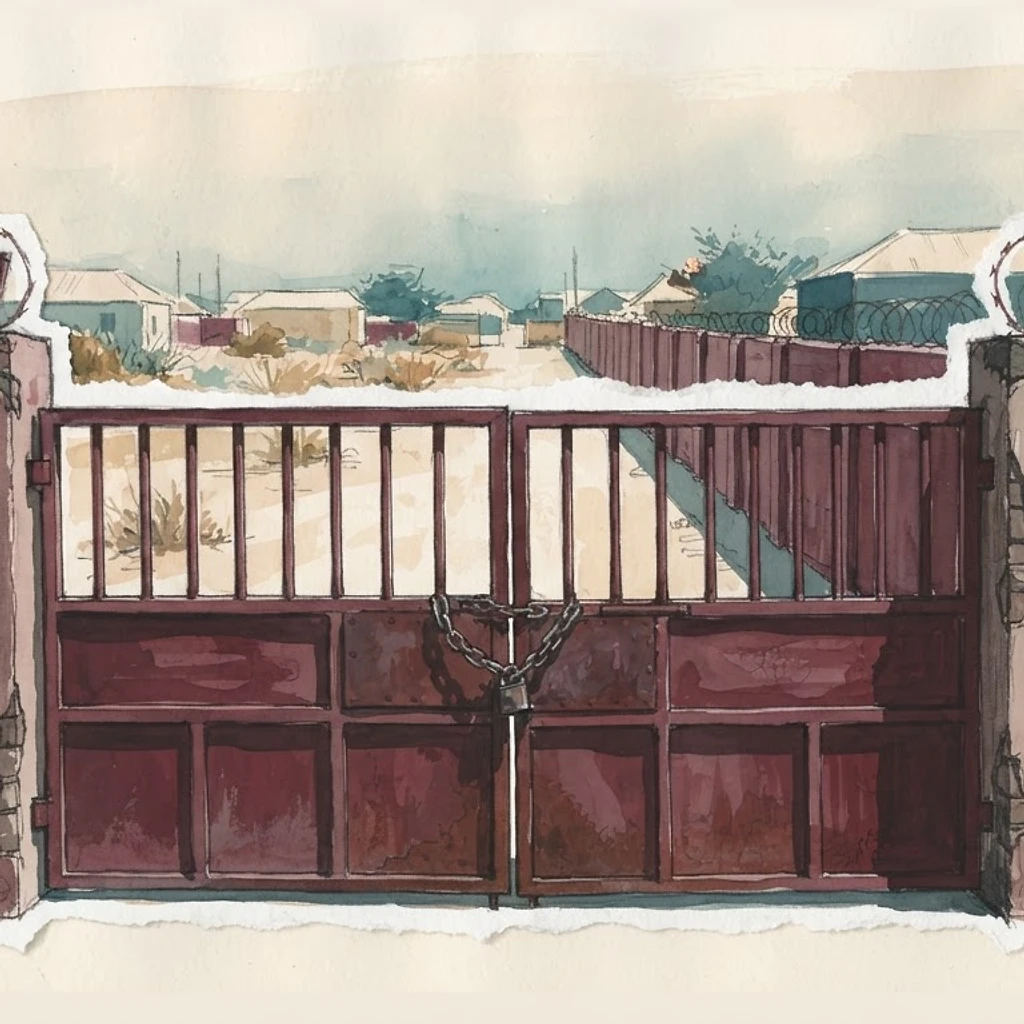
Illustration: Apex Africa
Somalia: Security Forces Arrest Journalist Over Alleged Misreporting
Authorities detain local reporter following charges related to broadcast content

Somalia security forces have officially arrested a local journalist, charging him with public interest violations following a recent broadcast report, marking a formal legal development in the country's ongoing media relations landscape.
The Gen Z Read
This story in plain English
Sixty seconds, no jargon. Written for readers new to the politics.
Somali security forces arrested a Mogadishu journalist over a report they say spread false information about security operations.
- Somali security forces arrested a local journalist in Mogadishu after investigating a recent broadcast.
- The Office of the Attorney General charged the reporter with violating public interest laws and spreading misinformation, alleging the broadcast harmed counter-terrorism efforts.
- The journalist’s lawyer says the report relied on verified interviews and public sources; the reporter remains in custody as the defence prepares a bail application.
- A preliminary hearing is expected later this month, while the National Union of Somali Journalists calls for the reporter’s release.
There’s no reported change yet to jobs, prices, transport, school or voting. The case could affect how freely journalists report on security, but any wider effect on people’s rights would depend on what the court decides.
Words decoded
- Public interest laws
- Rules the authorities say were broken because the broadcast could harm the public or the country.
- Counter-terrorism
- Government efforts to prevent or fight attacks by terrorist groups.
- Bail
- Temporary release from custody while a case continues, often under conditions.
- Judicial review
- A court’s check of whether an official action follows the law.
What should matter most when a report covers security operations?
Be the first to answer
Key judgement
The evidence indicates that the federal government's attempt to centralize electoral control has triggered a constitutional crisis that the judiciary is now actively challenging, making a return to a negotiated federal-state consensus the only viable path to avoiding a total collapse of the 2027 electoral process.
The assessment is based on the direct conflict between the Supreme Court's ruling and the executive's stated position, supported by multiple independent reports on the regional political deadlock.
What to watch
- December 5, 2026: Deadline for political leaders to agree on an electoral framework as ordered by the Supreme Court.
- November 10, 2026: Next Jubaland sub-national coordination meeting, which may signal shifts in regional administrative alignment.
- February 2027: The 90-day window for elections expires, serving as the ultimate test of the Supreme Court's authority.
Implications for decision-makers
- Policymakers must prioritize a return to the federal-state consensus model to prevent a constitutional vacuum.
- Political strategists should focus on mediating the Gedo administrative dispute as a prerequisite for any credible electoral participation by Jubaland.
- Development organizations should prepare for continued operational disruptions in Gedo and Jubaland due to the ongoing political and security standoff.
Somalia security forces arrested a local journalist in Mogadishu earlier this week, initiating formal legal proceedings against the reporter. The arrest follows an investigation into a recent news broadcast, which authorities claim contained inaccurate information regarding state security operations. According to official court documents, the journalist has been charged with violating public interest laws and disseminating misinformation.
The prosecution team, led by the Office of the Attorney General, alleges that the broadcast compromised ongoing counter-terrorism efforts. Conversely, the journalist’s legal counsel maintains that the report was based on verified interviews with local residents and public sources, arguing that the charges constitute an overreach by the state. A preliminary court hearing is scheduled for later this month, where a judge will determine if the case will proceed to a full trial.
This arrest has drawn criticism from local press associations, who claim the detention is an attempt to suppress independent investigative reporting. International observers monitoring the situation note that this case highlights the continuing tension between the Somali government's security mandates and the rights of the press to operate freely. Currently, the journalist remains in custody while his defense team prepares a bail application for the upcoming hearing.
The Somali Ministry of Information has stated that all legal actions taken against members of the press are conducted in accordance with the national penal code and judicial review processes. The trial is expected to serve as a litmus test for the independence of the judiciary in cases involving sensitive security reporting. Meanwhile, the National Union of Somali Journalists has issued a call for the immediate release of the reporter, asserting that the charges are unfounded and represent a broader challenge to media freedom.
The judiciary has yet to confirm a specific date for the final verdict, but legal analysts following the proceedings anticipate a protracted legal battle as both sides present evidence regarding the original broadcast.
Report an error in this briefing