

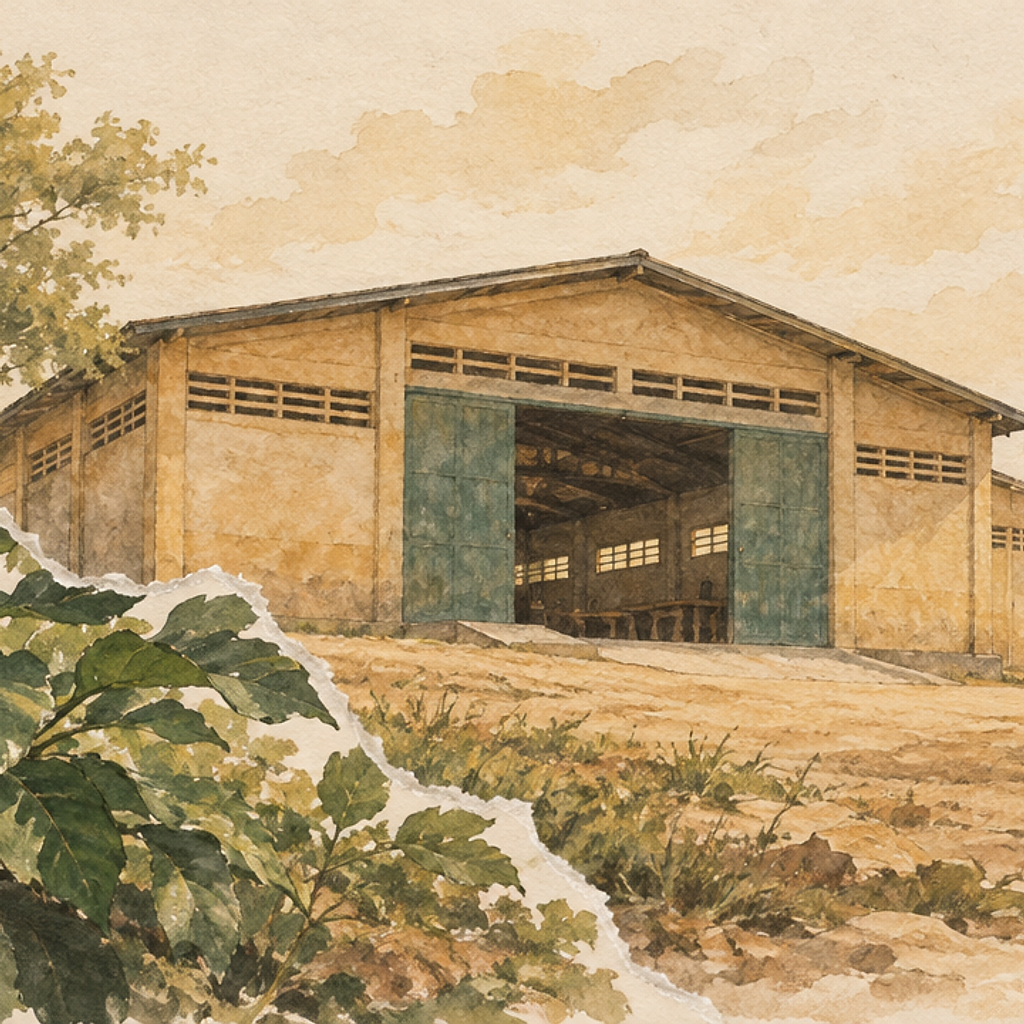
Illustration: Apex Africa
Senegal’s Vocational Training Expansion in Thiès and Diourbel Amid Fiscal Stagnation
New training centers launch as the government struggles to reconcile industrial policy with a stalled national budget.
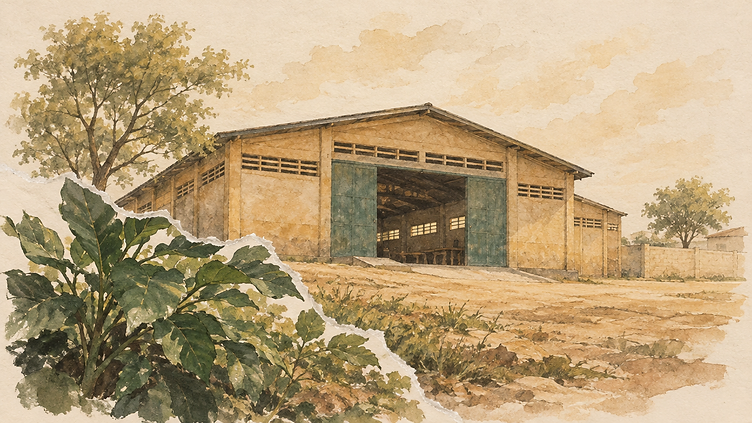
Senegal has inaugurated vocational training centers in Diourbel and Linguère and allocated CFAF 560 million to modernize the center in Thiès. The initiatives coincide with a rejected 2026 budget and uncertainty over IMF financing and debt restructuring. The available material highlights a key implementation question: whether the new facilities will develop employer links that connect training to jobs.
The Gen Z Read
This story in plain English
Sixty seconds, no jargon. Written for readers new to the politics.
Senegal has opened vocational training centers and funded upgrades in Thiès, but links to jobs and future funding remain uncertain.
- In May 2025, Thiès training center director Ndèye Awa Thior identified difficulties placing graduates in jobs.
- In early November 2026, the government opened centers in Diourbel and Linguère for practical training in energy, solar technology and food processing.
- The government allocated CFAF 560 million to modernize the Vocational Training Center in Thiès.
- On November 3, 2026, the National Assembly rejected the revised 2026 budget for a second time, amid uncertainty over IMF financing.
The centers could offer practical skills for industrial and mining jobs, but the reporting doesn’t establish that employers will help shape courses or offer internships. So there’s no confirmed change to job prospects yet; whether training leads to work will take time to show. The budget dispute raises questions about future public funding, but the report doesn’t say the centers’ funding has been cut.
Words decoded
- National Assembly
- Senegal’s national lawmaking body, whose members debate and vote on government proposals.
- IMF
- The International Monetary Fund, an organization that lends money to countries and sets conditions for some loans.
- Debt restructuring
- Changing how a country repays what it owes, such as changing payment dates or amounts.
- Internship
- A period of supervised work experience, often as part of training.
What should vocational training centers prioritize?
Be the first to answer
Key judgement
The vocational investments in Diourbel, Linguère and Thiès are intended to meet industrial and mining-sector skills needs, but the copy does not establish that the new centers will have employer partnerships or sustained operating funds. Whether they formalize links such as the curriculum input and internships described at ISEP in Thiès, and report placement outcomes, will test whether the infrastructure connects training to jobs amid uncertainty over the 2027 budget and IMF board approval.
The copy cites Reuters, the CFP director and a filed account, but does not provide three independent sources including two primary records or first-hand reports; direct reporting on partnerships, operating finance and placement outcomes would change the rating.
What to watch
- Before the first student intakes: whether the centers in Diourbel and Linguère formalize private-sector partnerships and whether the Thiès modernization adds such links.
- When the 2027 budget is decided: whether the government and National Assembly reach agreement.
- When the IMF board decision is reported: whether approval advances for the $2.2 billion financing program.
- After the new centers begin training: whether they publish placement targets or results and disclose arrangements for staffing, equipment and maintenance.
Implications for decision-makers
- Policymakers in Senegal need to assess the centers against employer links and employment outcomes, not infrastructure delivery alone.
- Investors should distinguish the reported budget and IMF uncertainties from the center funding: the copy does not establish that announced investments are at risk.
- Development organizations considering support for vocational training should weigh curriculum partnerships and continuing operating needs alongside infrastructure.
- Research institutions assessing skills policy should track whether the centers report placement results comparable to the nearly 90% employment figure cited for ISEP in Thiès.
Vocational Infrastructure as a Policy Pivot
The Senegalese government has inaugurated two vocational training centers in Diourbel and Linguère, while allocating CFAF 560 million to modernize the Vocational Training Center (CFP) in Thiès. The investments, announced in early November 2026, are intended to align training with industrial and mining-sector needs. The programs focus on practical skills in energy, solar technology and food processing.
The new facilities’ ability to connect training with employment remains an open question. The CFP in Thiès has faced job-placement challenges, according to its director, Ndèye Awa Thior, who identified them in May 2025. The available material reports funding for infrastructure and equipment but does not establish whether formal employer partnerships have been arranged for the new centers.
This distinction matters because the material contrasts the CFP in Thiès with the Institut supérieur d’enseignement professionnel (ISEP) there. At ISEP, private-sector partners help design curricula and provide extended internships; nearly 90% of graduates secure employment, according to the filed account. The CFP has lacked comparable formal links, which the material identifies as a potential barrier to translating training into jobs. Whether the new centers adopt elements of the ISEP model may help determine how effectively their practical training connects to employment, but the available reporting does not establish that they will.
The Budgetary Impasse and IMF Constraints
On November 3, 2026, the National Assembly rejected the government’s revised 2026 budget for a second time, according to Reuters. The filed material describes a standoff between President Bassirou Diomaye Faye and Assembly President Ousmane Sonko. It says the impasse could affect the $2.2 billion Extended Credit Facility negotiated with the IMF, which is associated with fiscal reforms including fuel-subsidy reductions. The IMF has signaled that the budget impasse could delay board approval, according to the filed account.
The filing also says Senegal’s debt restructuring is uncertain and cites reporting on a likely-default assessment of a proposed debt swap. It does not establish that the budget dispute is the primary obstacle to fiscal stability or that it will determine the long-term funding of the training centers. The juxtaposition of the investment announcements with the budget dispute raises questions about the public financing available for skills policy, but the material does not show that the centers’ funding has been reduced or put at risk.
Counter-View: The Necessity of Public Investment
Proponents of the strategy argue that government should establish foundational training infrastructure, particularly in regions where the private sector may be unwilling to invest, according to the filed account. They contend that operational centers could help attract corporate partnerships and that postponing projects could worsen youth unemployment. These are arguments reported in the material, not established outcomes.
The filing also cites a Ca credit rating and bond spreads exceeding 1,469 basis points as signs of limited fiscal space. These figures frame the funding challenge, but the available material does not establish the eventual operating costs of the centers or whether they will be underused. Nor does it show whether the government has secured continuing funds for staffing, equipment and maintenance.
Why It Matters
But infrastructure alone does not establish that graduates will find work. The ISEP comparison in the filed material points to employer-designed curricula and extended internships as features associated with a reported employment rate of nearly 90%; it does not show that this outcome will transfer to the CFP or the new centers.
The fiscal context makes the implementation question more consequential. The 2026 budget has been rejected twice, while the timing of IMF board approval and the outlook for debt restructuring remain uncertain in the cited reporting. The material does not prove that these developments will constrain the centers. It does, however, leave unanswered how their operating needs will be financed and how policymakers will assess whether the training delivers employment opportunities.
What We Don’t Know
The available material does not specify whether formal employer partnerships have been agreed for the centers in Diourbel and Linguère, or whether the Thiès modernization includes new partnerships. It provides no placement targets or projected placement rates for the new facilities and does not say whether they will use the ISEP approach of private-sector curriculum input and extended internships.
The filing also does not specify the centers’ eventual operating costs, how staffing and maintenance will be funded, or whether funding has been secured beyond the announced investment. It does not establish the final status of the 2027 budget, the timing of any IMF board decision, or how those developments might affect the facilities. These gaps prevent a firm assessment of whether the centers can sustain training and connect it to employment.
What to Watch
Key indicators are whether the government and National Assembly reach agreement on the 2027 budget, whether the IMF advances board approval for the financing program, and whether the new centers formalize private-sector links before their first student intakes. Placement results and operating arrangements would help show whether the facilities can connect practical training with labor-market opportunities.
What we don't know yet
The record does not yet show how the decision is carried out.
Report an error in this briefing