News · Netherlands
Dutch Government Submits 2027 Budget Proposal to Parliament
Minority government faces legislative friction over fiscal policy
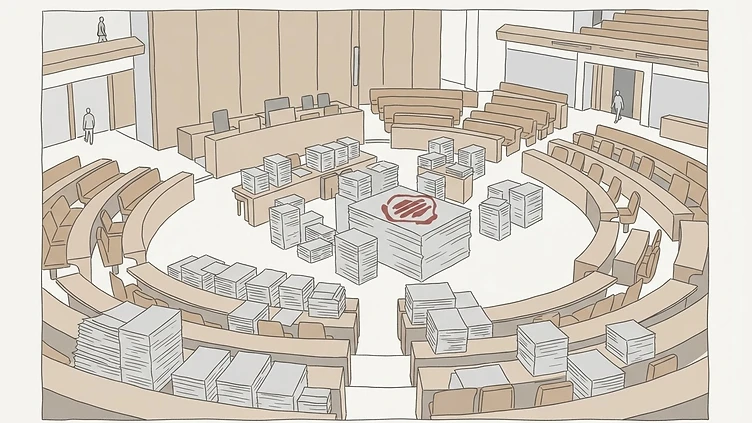
Illustration: Apex Africa picture desk
The Dutch government has submitted its 2027 budget proposal to parliament without a pre-negotiated majority. Several parliamentary groups state that this strategy risks an economic deadlock.
Key judgement
The evidence indicates that the Jetten cabinet is unlikely to secure a stable majority for its 2027 budget without making significant concessions to the opposition, which will likely weaken the coalition's long-term policy coherence. This fiscal instability will almost certainly lead to delays in the implementation of international development aid commitments.
The assessment is based on consistent reporting from multiple independent sources regarding the coalition's seat deficit and the ongoing deadlock in parliamentary negotiations.
What to watch
- 12 November 2026: The parliamentary vote on the 2027 national budget.
- Ongoing: Public statements from PRO leadership regarding their conditions for supporting the budget.
- Ongoing: Any further announcements regarding the restructuring of development aid programs.
Implications for decision-makers
- Policymakers and international partners should prepare for potential volatility in Dutch development aid funding levels.
- Institutional investors and NGOs should monitor the 12 November budget vote as a key indicator of the government's legislative stability.
- Political strategists should track the shifting polling numbers of the PRO party as a proxy for the coalition's leverage in future negotiations.
Why it matters
The Netherlands is experiencing legislative instability as the minority government presents its 2027 budget proposal to parliament. According to several coalition members, this legislative friction is a procedural challenge of minority governance. Representatives from several parliamentary groups state that presenting a budget without a pre-negotiated majority risks an economic deadlock. These critics state that this approach forces late-stage concessions that could jeopardize long-term structural reforms. The government states it will find the necessary votes through individual bill negotiations, despite warnings from financial analysts regarding potential market volatility. Legislative analysts note that if the current budget fails, the government may face a vote of no confidence, which would force an early election and paralyze Dutch policy implementation. As the government seeks consensus, both proponents and opponents anticipate a period of negotiation that observers expect will require high levels of compromise. The administrative struggle reflects European trends regarding the difficulty of maintaining governance efficiency in fragmented political landscapes.
What we don't know yet
It remains unclear if the government will successfully secure the required votes to pass the budget through individual bill negotiations. The record does not specify the exact nature of the late-stage concessions critics fear, nor does it indicate how a potential failure of the budget will influence the internal power balance within the ruling coalition. Additionally, the record does not show how the decision is carried out. International observers continue to monitor the situation for its implications regarding European Union fiscal discipline and internal cohesion.
What to watch
12 November 2026: The parliamentary vote on the 2027 national budget. Ongoing: Public statements from PRO leadership regarding their conditions for supporting the budget. Ongoing: Further announcements regarding the restructuring of development aid programs.
Report an error in this briefing