

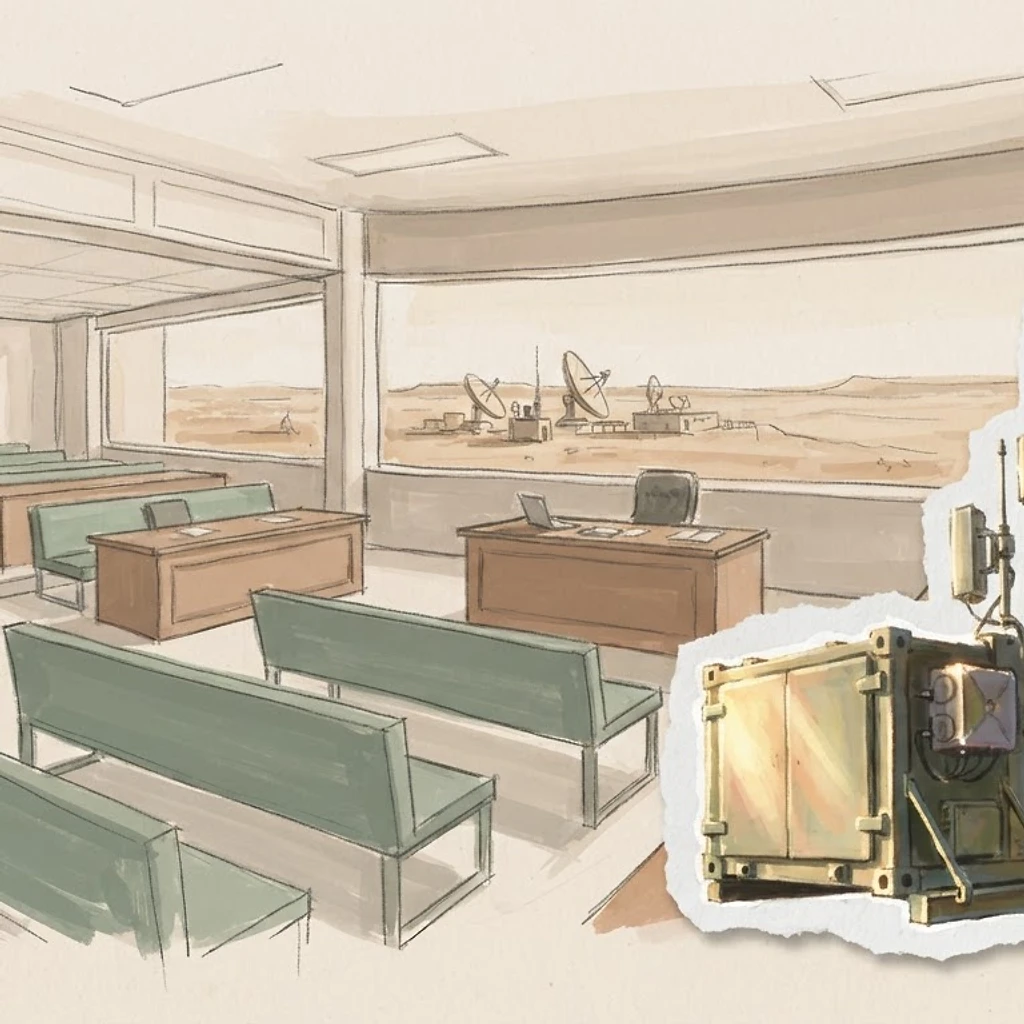
Illustration: Apex Africa
Mauritania’s Strategic Pivot: Cooperation Protocols with Libya
Strengthening security and diplomatic ties across the Sahelian frontier
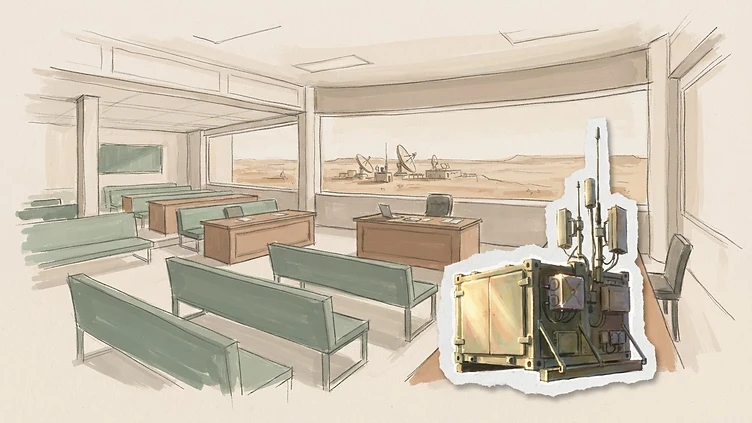
Mauritania has formalised new cooperation protocols with Libya, a move framed by regional officials as a strategic attempt to fortify its northern and eastern borders against emerging threats.
The Gen Z Read
This story in plain English
Sixty seconds, no jargon. Written for readers new to the politics.
Mauritania and Libya have agreed to share security information and work together on trade, border monitoring and military training.
- Mauritania and Libya formally entered cooperation protocols, according to official statements from both governments.
- The protocols set up communication between their security services, including sharing information about cross-border movements.
- The agreements also cover trade, border monitoring and military training, but the extent of military cooperation is unclear.
- Officials have not set a timeline for deploying shared resources, and joint ground patrols have not been confirmed.
There’s no confirmed change yet to jobs, travel, school or services, because the agreements’ details and rollout timeline aren’t clear. If security work expands, it could affect safety in border areas, but the reporting gives no evidence of an immediate effect on daily life.
Words decoded
- Protocol
- A formal agreement that sets out how governments plan to work together.
- Intelligence sharing
- Governments exchanging information about security threats and movements.
- Non-state armed groups
- Organised fighters who are not part of a country’s official military.
- Alliance of Sahel States
- A group of Sahel countries mentioned in the briefing; it gives no further detail about its membership.
What should Mauritania prioritise in its cooperation with Libya?
Be the first to answer
Key judgement
The evidence indicates that Mauritania is abandoning its traditional regional neutrality in favor of a bilateral security alignment with Libya to insulate its northern borders from Sahelian instability. This shift will likely lead to increased militarization of the Tiris Zemmour region and potential friction with the Alliance of Sahel States.
The assessment rests on the recent signing of protocols and the observable trend of border hardening, though the full operational scope of the Libya-Mauritania agreement remains to be seen.
What to watch
- Deployment of additional Mauritanian security forces to the Tiris Zemmour border region by December 2026.
- Official statements from the Alliance of Sahel States regarding the Libya-Mauritania protocols by late November 2026.
- Any new restrictions on artisanal mining permits in northern Mauritania following the security protocols.
Implications for decision-makers
- Policymakers should prepare for a more assertive Mauritanian security posture that may prioritize bilateral northern ties over regional Sahelian cooperation.
- Institutional investors in the extractive sector should anticipate increased regulatory and security oversight in northern border regions.
- NGOs operating in Tiris Zemmour must adjust their logistics and community engagement strategies to account for potential military-led border closures.
Mauritania has officially entered into a series of cooperation protocols with Libya, marking a notable evolution in the diplomatic relations between Nouakchott and Tripoli. According to official statements from both governments, these protocols are intended to create a structured framework for addressing ongoing security and border management challenges. The collaboration aims to standardize communication channels between the two nations' security apparatuses, particularly concerning intelligence sharing related to cross-border movements.
Regional security analysts suggest that this outreach to Libya represents a broader policy shift for Nouakchott, as it seeks to diversify its strategic partnerships beyond its traditional reliance on Western-backed Sahelian security initiatives. The agreements encompass trade, border surveillance, and military training exercises, which both parties claim will foster long-term regional stability. By reinforcing its northern border through Tripoli, Nouakchott aims to create a buffer against the southward expansion of non-state armed groups and insurgent networks.
Furthermore, the deal serves as a barometer for how North African states are jockeying for influence in the Sahel as traditional Western security architectures face skepticism from local governments. What we don't know: While the general parameters of the agreement have been disclosed, the extent of the military cooperation remains ambiguous. It is unclear if the protocols include provisions for joint ground patrols or if they are strictly limited to information sharing.
Furthermore, the capacity of the current Libyan administration to maintain a consistent security partnership along its southern border remains a subject of debate among international observers, particularly given the fragmented nature of authority in Libya. Additionally, the specific timeline for the deployment of these shared resources has not been finalized, leaving stakeholders to speculate on the immediate tactical impact of these protocols on the daily management of Mauritania’s expansive, largely porous, eastern and northern desert regions.
Why it matters
Mauritania has formalised new cooperation protocols with Libya, a move framed by regional officials as a strategic attempt to fortify its northern and eastern borders against emerging threats.
What to watch
Deployment of additional Mauritanian security forces to the Tiris Zemmour border region by December 2026.; Official statements from the Alliance of Sahel States regarding the Libya-Mauritania protocols by late November 2026.; Any new restrictions on artisanal mining permits in northern Mauritania following the security protocols.
Report an error in this briefing