
Analysis · Madagascar
Madagascar's Madarail Contract Reinstatement: Institutional Accountability and the Limits of State-Controlled Infrastructure
The government's decision to revive the Madarail contract highlights a persistent lack of transparent oversight.
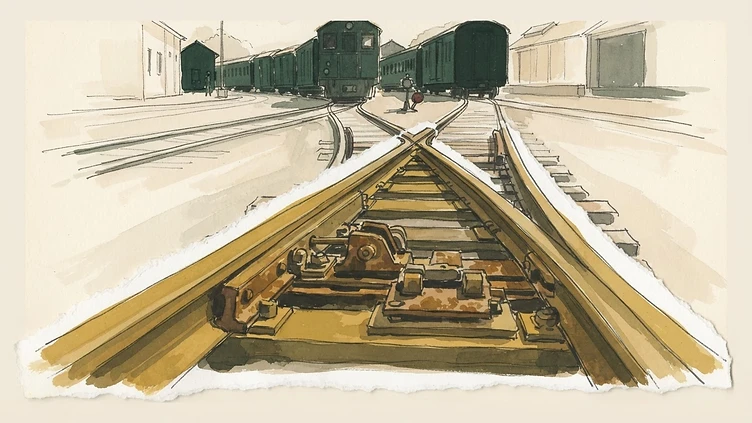
Illustration: Apex Africa
The Malagasy government's recent decision to lift the suspension of the Madarail technical assistance contract with Vecturis signals a shift toward pragmatic infrastructure management, yet it remains opaque. This move bypasses established procurement accountability mechanisms, leaving the public in the dark regarding the financial terms of the revival. The decision underscores the ongoing struggle to balance urgent service delivery with the need for transparent governance in a fragile political transition.
Key judgement
The government's decision to reinstate the Madarail contract without public disclosure of terms indicates a continued reliance on opaque, executive-led infrastructure management that risks repeating past failures in service delivery.
The assessment rests on the lack of official transparency regarding the contract terms, which would change if the government publishes the agreement.
What to watch
- Publication of the revised Madarail contract terms by the Ministry of Transport (Trigger: December 2026)
- Performance reports on rail freight volume and service reliability (Trigger: Q1 2027)
Implications for decision-makers
- Policymakers must establish an independent oversight committee to monitor the Madarail contract to restore public trust.
- Political strategists should anticipate opposition scrutiny regarding the lack of transparency in the procurement process.
- Development organizations should condition future infrastructure support on the implementation of transparent, competitive bidding frameworks.
A Shift in Infrastructure Strategy
The Malagasy government has officially announced the lifting of the suspension of the technical assistance contract between the state-controlled railway company, Madarail, and the Belgian firm Vecturis. This development, confirmed on 22 October 2026, marks a significant pivot in the administration's approach to managing critical national infrastructure. By reinstating a private-sector partner to oversee rail operations, the government is attempting to address the chronic inefficiencies that have plagued the network for years.
However, the decision to move forward with Vecturis without a public disclosure of the revised contract terms raises immediate questions regarding institutional accountability. While the government frames this as a necessary step to restore operational capacity, the lack of transparency surrounding the procurement process suggests that the administration is prioritizing speed over the rigorous oversight required to prevent past failures.
Governance and the Accountability Gap
The reinstatement of the Madarail contract occurs within a broader context of fiscal vulnerability, as the country continues to navigate a complex political transition. With the IMF having recently completed its third and fourth reviews of national programs, the government is under pressure to demonstrate fiscal discipline while simultaneously delivering tangible improvements in public services. The railway project is a litmus test for whether the current administration can effectively manage public-private partnerships without succumbing to the patronage-driven practices that have historically undermined state-owned enterprises.
Despite the government's stated commitment to economic recovery, the absence of a clear, publicly accessible framework for this contract renewal is problematic. Without an independent audit or a transparent bidding process, the public has no mechanism to verify whether the terms of the agreement serve the national interest or merely provide a lifeline to a struggling state entity. This lack of clarity is particularly concerning given the history of mismanagement within the transport sector, where previous attempts at reform have frequently stalled due to a lack of human and financial resources.
Community Impact and Service Delivery
For the communities reliant on the rail network for the transport of goods and essential commodities, the uncertainty surrounding the Madarail contract has direct consequences. The degradation of rail infrastructure has historically increased the cost of living by inflating transport prices and limiting access to markets for rural producers. While the government promises that the involvement of Vecturis will restore functionality, the history of the project suggests that residents should remain cautious about the timeline for tangible improvements.
Local stakeholders, including traders and agricultural cooperatives, have yet to receive assurances regarding how this contract will translate into lower transport costs or improved safety standards. The government's reliance on top-down, centralized decision-making means that the voices of those most affected by the railway's performance are largely excluded from the planning process. Without a clear, measurable plan for service delivery, the reinstatement of the contract risks becoming another instance of administrative activity that fails to reach the grassroots level.
Counter-Arguments and Institutional Reality
They contend that the immediate need to restore rail capacity outweighs the procedural delays inherent in a more transparent, competitive bidding process. From this perspective, the government is acting pragmatically to prevent the total collapse of a vital economic artery, and the partnership with an established firm like Vecturis is the most efficient path forward.
The failure to establish a robust, transparent oversight body for the Madarail project ensures that the same structural weaknesses that led to the initial suspension will likely persist, regardless of the technical expertise provided by the contractor.
Future Scenarios and Strategic Implications
Looking ahead, the success of the Madarail project will depend on whether the government allows for independent monitoring of the contract's implementation. If the administration continues to operate in a vacuum, the project is likely to face renewed criticism and potential legal challenges from opposition factions. Conversely, if the government chooses to publish the contract details and establish a public reporting mechanism, it could signal a genuine commitment to reform and improve its standing with both domestic and international stakeholders.
For policymakers and political strategists, the key takeaway is that infrastructure projects in Madagascar are inherently political. Any attempt to manage these assets without a clear, transparent strategy will inevitably be met with skepticism. Stakeholders should focus on demanding the release of the contract terms and the establishment of an independent oversight committee to ensure that the partnership with Vecturis delivers the promised improvements to the national rail network.
Why it matters
The Malagasy government's recent decision to lift the suspension of the Madarail technical assistance contract with Vecturis signals a shift toward pragmatic infrastructure management, yet it remains opaque.
What we don't know yet
The record does not yet show how the decision is carried out.
What to watch
Publication of the revised Madarail contract terms by the Ministry of Transport (Trigger: December 2026); Performance reports on rail freight volume and service reliability (Trigger: Q1 2027)
Report an error in this briefing