

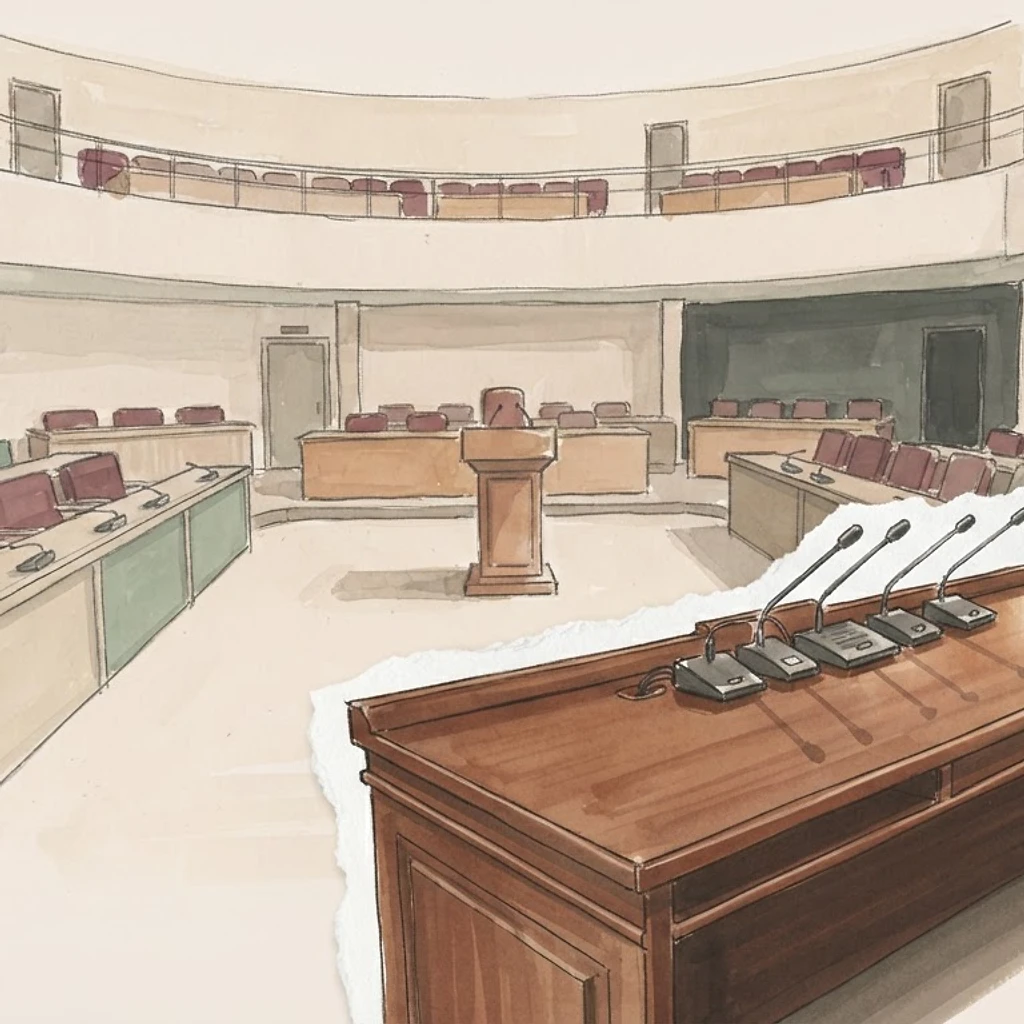
Illustration: Apex Africa
Legislative Reform in Benin: The Fiscal Oversight Debate
An examination of the proposed changes to the budgetary scrutiny process
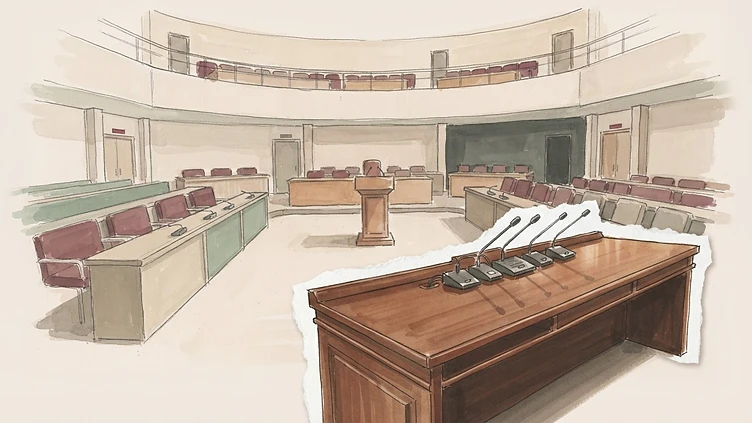
Benin's legislative landscape is shifting as the government proposes significant modifications to how the national budget is reviewed. The shift, while framed as an efficiency measure, has sparked intense debate regarding the balance of power between the executive and the legislature.
The Gen Z Read
This story in plain English
Sixty seconds, no jargon. Written for readers new to the politics.
Benin’s government wants to change how parliament reviews the national budget, prompting concern that lawmakers could lose oversight power.
- The government proposed changing how Benin’s national budget is reviewed, saying the current process causes delays to development projects.
- The proposal would centralize some review tasks, but the reporting does not detail the exact changes or say they are in force.
- The Cotonou Policy Research Group and opposition parties warned that the plan could weaken transparency and the National Assembly’s oversight.
- Budget Commission hearings are scheduled for November 16 to 30, 2026; the record does not yet show the decision or the Senate’s response.
Budget choices can affect public services and development projects, but the reporting does not identify specific changes to jobs, school costs, prices or transport. There is no confirmed effect on daily life yet; watch what lawmakers decide and whether the Senate has a role in reviewing spending.
Words decoded
- National Assembly
- Benin’s elected lawmaking body, where members debate and approve laws and public spending.
- Senate
- A legislative chamber that the desk says is excluded from the 2027 budget review.
- Budget Commission
- The National Assembly group scheduled to hear the budget and review it.
- Oversight
- The job of checking how the government uses public money.
What matters most to you in a national budget review?
Be the first to answer
Key judgement
The exclusion of the Senate from the 2027 budget review process confirms a deliberate strategy to centralize fiscal oversight within executive-aligned parliamentary committees, effectively neutralizing the Senate as an independent check on government spending.
The assessment is based on the official hearing schedule published by the National Assembly and the established pattern of institutional consolidation reported by multiple independent sources.
What to watch
- November 16, 2026: The commencement of the budget presentation to the National Assembly's Budget Commission.
- November 30, 2026: The conclusion of the budget hearings and the subsequent report on whether any amendments were accepted.
- December 2026: Any public statements from the Senate regarding its lack of involvement in the fiscal review process.
Implications for decision-makers
- Opposition parties must pivot their strategy toward public advocacy, as the formal legislative process is increasingly closed to substantive debate.
- Institutional investors should note the lack of independent legislative oversight, which may increase long-term fiscal risk.
- Civil society organizations should focus on monitoring the implementation of the 2027 budget, given the limited parliamentary scrutiny during the approval phase.
The Republic of Benin is currently embroiled in a significant constitutional and legislative debate regarding the structure of its fiscal oversight process. However, the proposal has encountered stiff resistance from various political factions within the National Assembly and beyond. Proponents of the reform argue that the current system is overly bureaucratic and prone to delays, which prevents the timely execution of national development projects.
By centralizing certain oversight functions, the executive suggests that the government can reduce redundant processes that currently hamper the allocation of critical funds. Conversely, critics argue that the proposal undermines the independence of the legislative branch. The Cotonou Policy Research Group has emerged as a vocal critic of the plan.
Their analysis suggests that without a robust, multi-stage review, there is a substantial risk of diminished transparency and reduced legislative oversight. Furthermore, representatives from opposition parties have characterized the proposal as a tactical withdrawal of power from the assembly, claiming it will erode the institutional checks and balances that are fundamental to Benin's parliamentary democracy. As the debate continues, international observers are closely watching to see how the government balances the need for fiscal efficiency against the requirements of constitutional oversight.
Whether the administration will adjust the bill to accommodate these parliamentary concerns remains an open question, yet the political environment in Cotonou indicates that the pushback is far from subsiding. The outcome of these deliberations will likely dictate the scope of legislative authority in Benin for the foreseeable future, as parliamentarians continue to advocate for a collaborative approach to fiscal policy that maintains the sanctity of their oversight mandates.
Why it matters
Benin's legislative landscape is shifting as the government proposes significant modifications to how the national budget is reviewed.
What we don't know yet
The record does not yet show how the decision is carried out.
What to watch
November 16, 2026: The commencement of the budget presentation to the National Assembly's Budget Commission.; November 30, 2026: The conclusion of the budget hearings and the subsequent report on whether any amendments were accepted.; December 2026: Any public statements from the Senate regarding its lack of involvement in the fiscal review process.
Report an error in this briefing