


Illustration: Apex Africa
Indonesia's Strategic Shift: Defense and Diplomacy
Navigating the evolving geopolitical landscape through defense modernization and new regional partnerships
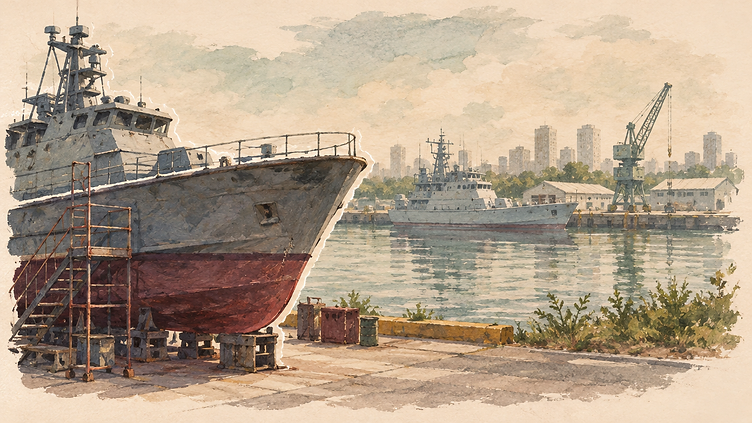
Indonesia is actively recalibrating its foreign policy, balancing assertive defense modernization with a delicate diplomatic dance between global superpowers.
The Gen Z Read
This story in plain English
Sixty seconds, no jargon. Written for readers new to the politics.
Indonesia is upgrading its military while avoiding a firm alliance with either the United States or China.
- Jakarta is modernizing its military to strengthen maritime security amid rising Indo-Pacific tensions.
- The Jakarta Institute for Strategic Studies says the buildup is meant to project strength and protect sovereignty in contested waters.
- Indonesia is keeping its non-aligned approach, seeking economic opportunities while limiting security risks from either superpower.
- Budget limits, procurement delays and equipment from several countries complicate the plans; parliament is preparing to debate the defense budget.
There’s no clear immediate change to school costs, transport, jobs or daily security in the reporting. The defense budget debate will show whether Indonesia can fund the upgrades, but any effects on the country’s security or public spending may take years to become clear.
Words decoded
- Non-alignment
- A country’s choice not to join one major power’s political or military camp.
- Procurement
- The process of buying equipment or services for the government.
- Strategic autonomy
- The ability to make national decisions without relying too heavily on another country.
- Maritime security
- Protecting a country’s waters, ships and coastal areas.
What should Indonesia prioritize as it updates its military?
Be the first to answer
Key judgement
The evidence points to a deepening crisis of institutional trust where the executive's reliance on military force to manage internal security scandals will likely lead to the further erosion of electoral independence and the marginalization of political competition ahead of 2029.
The rating rests on the verified military deployment and the arrest of senior officials, though the long-term impact on electoral law remains subject to ongoing legislative negotiations.
What to watch
- 2026-11-15: Outcome of the police investigation into the wiretapping suspects.
- 2026-12-01: Resumption of parliamentary debates on the Election Bill.
- 2027-01-01: Appointment process for new KPU and Bawaslu commissioners.
Implications for decision-makers
- Political strategists must prepare for a more restrictive electoral environment where security clearance may become a de facto requirement for candidate viability.
- Institutional investors should monitor the stability of the ruling coalition, as the current security crisis may delay critical economic and electoral reforms.
- NGOs and civil society groups should increase scrutiny of the KPU's independence to ensure that security-led interventions do not compromise the integrity of the 2029 voter registry.
Indonesia is currently undergoing a significant transformation in its strategic posture, characterized by an ambitious overhaul of its defense capabilities and a recalibrated approach to regional diplomacy. Under the current administration, Jakarta is prioritizing the modernization of its military, aiming to bolster its maritime security amidst increasing tensions in the Indo-Pacific. Analysts at the Jakarta Institute for Strategic Studies observe that this military buildup is a deliberate move to project strength and ensure sovereignty in contested waters.
Simultaneously, Indonesia is maintaining its long-standing principle of non-alignment, refusing to fully align with either the United States or China. Diplomatic observers suggest this strategy is designed to maximize economic opportunities while minimizing security risks. Despite these efforts, the nation faces internal challenges, including bureaucratic delays in procurement and budgetary constraints that complicate large-scale defense projects.
Critics in the national parliament argue that the focus on hardware often overshadows the need for systemic military reform. Furthermore, the reliance on varied suppliers, ranging from Russia to France and the United States, introduces significant logistical complexities. The government asserts that this diversity is essential for achieving true strategic autonomy.
What we do not know at this stage is the extent to which these defense upgrades will alter the strategic calculations of major powers operating within the region. What to watch is the forthcoming legislative debate on the defense budget, which will likely reveal the government's true capacity to sustain these military ambitions in the face of domestic economic pressures and shifting global supply chain constraints.
Report an error in this briefing