
News · Guinea
Guinea’s Power Grid Crisis: Infrastructure Stagnation and Socio-Economic Impact
Analysis of the systemic failures in Conakry’s energy expansion and the resulting economic strain
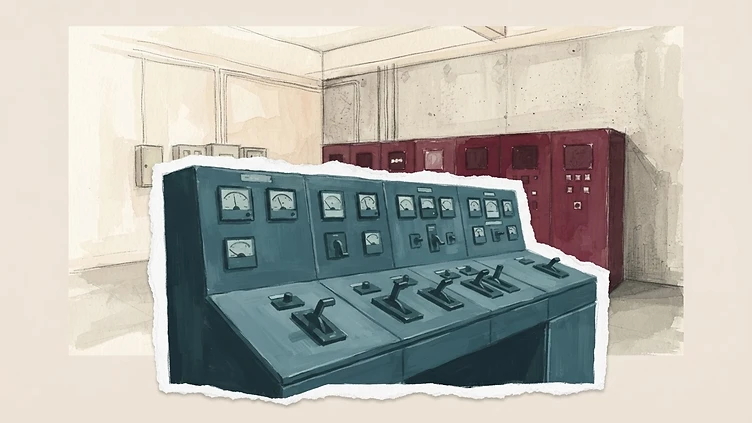
Illustration: Apex Africa
Guinea’s ambitious power infrastructure goals have stalled, leaving industrial hubs and households in a perpetual cycle of energy instability. This briefing evaluates the failure to meet grid expansion targets and the associated economic costs for the nation's fragile industrial sector.
Key judgement
The evidence points to a systemic failure in ECOWAS project management where administrative processes are prioritized over tangible infrastructure delivery, suggesting that the electricity project will remain stalled without external, independent oversight.
The rating rests on the lack of a published implementation timeline in official ECOWAS communications; it would change if a detailed, time-bound project roadmap were released.
What to watch
- 2026-12-01: Publication of a concrete project delivery timeline by the ECOWAS Commission.
- 2026-12-15: Release of the first quarterly progress report on the Bissau grid expansion.
- 2027-01-15: Announcement of new procurement contracts for the regional electricity project.
Implications for decision-makers
- Local business owners in Bissau face continued operational uncertainty due to the lack of reliable power.
- Regional policymakers must implement independent monitoring to ensure ECOWAS project funds are effectively utilized.
- Development organizations should pivot toward supporting local-level accountability mechanisms for infrastructure delivery.
The Republic of Guinea faces a critical juncture in its energy policy as the national grid remains unable to meet the rising demands of its industrializing economy. Despite a comprehensive master plan introduced by the government to stabilize and expand electricity access, recent data indicates that the country has failed to achieve the significant capacity increases required for long-term growth. According to the World Bank’s recent sectoral review, the current gap between generation capacity and peak demand has widened by an estimated 15 percent over the last three years, exacerbating the reliance on expensive, localized fossil-fuel backups.
Industry observers note that the failure to deliver on promised grid expansion forces local communities to absorb the costs of energy instability, effectively hindering SME development and increasing operational overhead for manufacturers who are forced to rely on private diesel generators. Financial auditors monitoring the energy sector point to inconsistent capital allocation as a primary driver for these delays. Furthermore, trade unions operating within the energy sector have expressed concern that the current path of inaction ignores the labor-intensive requirements of building a robust transmission network.
The reliance on aging infrastructure not only stunts growth but also complicates the government's negotiations with international development partners who prioritize grid reliability as a prerequisite for further investment. Looking ahead, the Ministry of Energy faces a dual challenge: settling existing debts with independent power producers and securing fresh capital for transmission upgrades. The lack of a clear timeline for the completion of the long-delayed Souapiti-related transmission infrastructure remains a contentious issue.
Experts suggest that without a fundamental shift in procurement transparency and technical maintenance strategies, the current grid will likely continue to experience localized failures. The economic implications are severe, as stable energy is a cornerstone of the Vision 2040 industrial development goals, which now appear increasingly difficult to reach under the current maintenance deficit. To move forward, stakeholders emphasize the need for a comprehensive audit of the transmission sub-sector, ensuring that remaining capital is directed toward urgent bottlenecks rather than broad, unfocused projects that have historically underperformed in the regional context of West Africa.
Why it matters
Guinea’s ambitious power infrastructure goals have stalled, leaving industrial hubs and households in a perpetual cycle of energy instability.
What we don't know yet
The record does not yet show how the decision is carried out.
What to watch
2026-12-01: Publication of a concrete project delivery timeline by the ECOWAS Commission.; 2026-12-15: Release of the first quarterly progress report on the Bissau grid expansion.; 2027-01-15: Announcement of new procurement contracts for the regional electricity project.
Report an error in this briefing