Analysis · Guinea
Guinea Military Government Continues Political Transition and Institutional Reforms
An overview of the current socio-political climate in Guinea following recent leadership shifts.
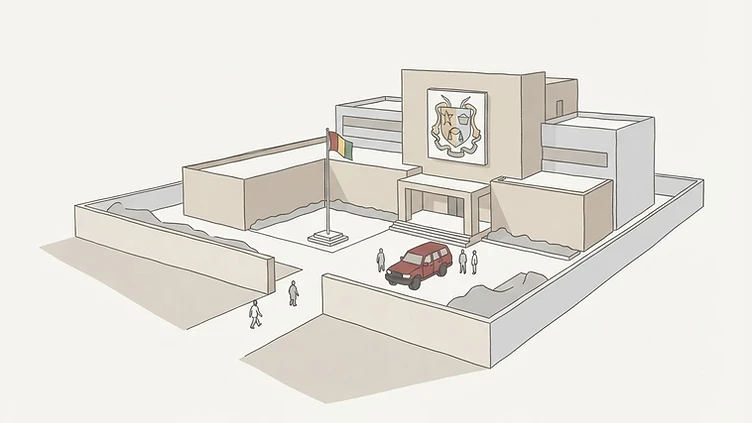
Illustration: Apex Africa picture desk
The military-led government in Guinea is navigating a transition process focused on institutional reform and the eventual restoration of civilian rule. This effort involves balancing security, economic challenges, and ongoing negotiations with political parties.
Key judgement
The mass suspension of Siguiri's leadership indicates a shift toward direct central control, which will likely lead to increased administrative friction and potential service delivery disruptions in the short term.
The assessment relies on official reports of the suspensions, but the long-term intent of the central government remains unconfirmed.
What to watch
- Appointment of permanent replacements for the suspended Siguiri officials (expected by November 2026).
- Public statements from local community leaders regarding the impact of the administrative vacuum (ongoing).
- Release of updated regional budget performance reports for Siguiri (expected Q1 2027).
Implications for decision-makers
- Local government officials must prepare for increased central oversight and potential re-evaluation of their administrative roles.
- Development organizations should adjust their engagement strategies to account for the lack of established local counterparts in Siguiri.
- Political strategists should monitor the potential for local unrest or political realignment resulting from the removal of regional leadership.
Why it matters
The political landscape in Guinea is defined by a transition process initiated after the removal of the previous administration. According to regional observers, the military-led government has committed to a series of reforms intended to restore civilian rule. International stakeholders emphasize that the integrity of the electoral roadmap remains a cornerstone for legitimacy.
The interim government maintains that its primary focus is on stabilizing national institutions before any transition of power takes place. This process is marked by a balance between security imperatives and the necessity for political inclusivity. Government spokespeople have affirmed their commitment to the transition, citing the need for constitutional clarity as a prerequisite for holding transparent elections.
As negotiations between the government and political parties continue, the focus remains on ensuring that all voices are represented. The international community provides oversight, urging all parties to adhere to the established frameworks as stakeholders navigate the competing interests of governance reform, economic recovery, and the eventual return to constitutional order. Analysts from various regional think tanks report that the economic situation is a point of contention, with inflation impacting the daily lives of citizens.
Civil society groups indicate that the pace of these reforms has been slower than initially anticipated by the public. The military government continues to work through these institutional changes, focusing on the framework required for future governance as reported by regional observers. The process of stabilization is described by the interim government as a fundamental stage in the transition to civilian authority.
What we don't know yet
Independent observers state that the lack of a clear timeline for elections creates a vacuum that contributes to ongoing public anxiety. The specific duration of the stabilization period for national institutions has not been defined, leaving the eventual date for the return to constitutional order uncertain. While government spokespeople have cited the need for constitutional clarity as a prerequisite for holding transparent elections, the specific nature of the constitutional requirements remains a subject of ongoing negotiations between the government and political parties.
The international community continues to monitor whether the current transition framework will result in an election schedule that satisfies the expectations of civil society groups, who report that the pace of reform has been slower than expected. The extent to which economic recovery measures will mitigate the impact of inflation on the daily lives of citizens, as reported by regional think tank analysts, remains a developing situation. The specific mechanisms for achieving political inclusivity within the current government structure are not yet established, and the timeline for these negotiations remains subject to change as the transition progresses.
Observers are also noting that the impact of the economic situation on the broader transition timeline remains unclear, as inflation continues to influence the daily lives of citizens in ways that remain under evaluation by regional analysts. The lack of defined duration for institutional stabilization adds complexity to the forecasting of election dates and the eventual return to constitutional order as anticipated by various stakeholders. Additionally, the specific criteria for the inclusion of various political groups in the governance process have not been fully disclosed by the military government, leaving analysts to speculate on the final shape of the transition architecture.
The degree of consensus required for the electoral roadmap is another variable that remains unresolved, as the government and political parties continue to navigate their respective requirements for participating in the future political order. These unanswered variables represent the core of the uncertainty cited by regional observers as the transition continues to unfold without a definitive end-date or a clear schedule for the institutional reforms currently underway.
What to watch
The situation remains fluid as stakeholders continue to navigate the competing interests of governance reform and economic recovery. Observers are monitoring the progress of negotiations between the interim government and political parties to determine if a consensus on the electoral roadmap can be reached. The international community will continue to provide oversight to ensure adherence to established frameworks for the transition.
Continued reporting from regional think tanks regarding inflation and its effect on the public will be a key indicator of economic stability. Furthermore, public responses to the pace of institutional reforms will be a factor for civil society groups as they engage with the military-led government. The focus remains on the government's ability to balance security imperatives with the goal of political inclusivity, as this balance will dictate the progress toward democratic stability in the region.
Observers are looking for a path toward the eventual return to constitutional order as the transition unfolds. The actions taken by the interim government regarding the sequence of electoral steps will be scrutinized by international stakeholders to ensure that the process maintains legitimacy. Ongoing discussions between the military-led authorities and political parties regarding the electoral roadmap will be essential indicators of the government's progress in fulfilling its commitment to transition toward civilian rule.
Monitoring the specific outcomes of these negotiations will allow observers to assess if the government can resolve the reported differences between the pace of reform and public expectations. Furthermore, the role of civil society in these negotiations will be observed to see how their feedback influences the trajectory of the transition. The commitment of the military government to the established reform agenda, particularly regarding the timing and nature of the transition, remains a critical indicator for all involved.
As economic conditions continue to affect citizens, the government's management of inflation and other economic indicators will remain central to the broader context of the political transition. The ability of the stakeholders to maintain a dialogue will be a deciding factor in whether the current framework can lead to the desired return to civilian rule in Guinea.
Report an error in this briefing