Analysis · France
French government evaluates potential use of Article 49.3 for pending legislation
Navigating the implications of the potential invocation of Article 49.3
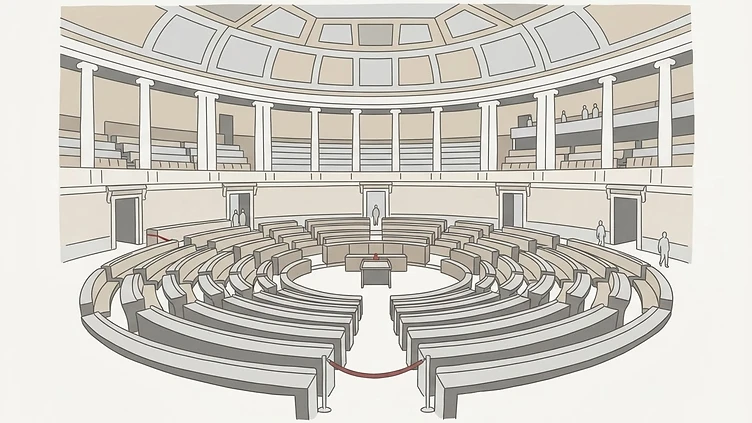
Illustration: Apex Africa picture desk
The French administration is considering using Article 49.3 to manage legislative processes and ensure state functionality. Observers are monitoring the implications of a potential bypass of parliamentary votes in the current legislative environment.
Key judgement
The government's legislative push to impose financial liability on protesters is a high-risk strategy that will likely intensify social polarization and complicate the passage of the 2027 budget by alienating moderate voters.
The analysis is based on primary legislative records from the French Senate and consistent reporting from multiple independent international news outlets regarding the bill's provisions and the government's fiscal strategy.
What to watch
- 2026-10-31: Turnout at the planned Yellow Vest-led protests outside the National Assembly.
- 2026-11-05: Participation levels in the cross-sector strike regarding wages and budget cuts.
- 2026-11-15: Potential government invocation of Article 49.3 to bypass the National Assembly on budget votes.
Implications for decision-makers
- Policymakers should anticipate increased radicalization of protest movements as economic sanctions are perceived as targeting the poor.
- Political strategists must prepare for a volatile electoral environment where fiscal austerity and civil liberties become the primary campaign battlegrounds.
- NGOs and development organizations should monitor the precedent of welfare conditionality as a potential model for future state-led suppression of dissent.
Why it matters
The potential use of Article 49.3 shifts the locus of power away from elected representatives, according to observers monitoring French domestic policy. This constitutional mechanism allows the government to pass a bill without a vote unless the opposition successfully tables a motion of no confidence. The government maintains that Article 49.3 is a necessary tool for ensuring state functionality.
Conversely, critics suggest that this approach reflects a breakdown in consensus-building. The tension within the National Assembly highlights a volatile political environment where traditional legislative processes are sidelined in favor of executive expediency, according to observers. The reliance on constitutional shortcuts has prompted debate regarding the balance of power between the Élysée and the parliament.
As the government continues to weigh its options, observers suggest that the instability of the current coalition remains the primary driver behind this potential constitutional manoeuvre. The situation underscores the fragility of the current mandate and the challenges of governing in a polarized legislature. This sets a precedent for how executive branches in democratic systems might respond to legislative deadlock.
The shift in power dynamics described by observers indicates a change in the process of testing and enacting domestic policy within the French system. The reliance on this specific constitutional tool remains a focal point for those monitoring the interaction between the executive branch and the legislative body. By using this procedure, the government alters the conventional legislative pathway, which prompts scrutiny from those concerned with the current equilibrium of power.
The ongoing deliberations within the administration regarding this procedural choice are viewed by observers as a response to the existing pressures within the governing coalition. This development represents a shift in the application of executive authority in the current parliamentary session. The debate centers on the implications of this action for democratic process, with the executive branch emphasizing the necessity of state operation and critics emphasizing the impact on consensus and representative input.
The reliance on these constitutional shortcuts defines the legislative discourse in France, creating an environment where the standard procedural checks are evaluated against the government's need to maintain functional legislative progress. The outcome of these discussions will determine the subsequent legislative trajectory for the administration. The process of enacting domestic policy is currently influenced by the executive branch's desire to secure legislative results.
According to observers, the administration is navigating a legislative landscape where the risk of defeat is weighed against the procedural impact of bypassing standard votes. The interaction between the executive and the assembly suggests that the use of Article 49.3 is viewed by observers as a response to the current composition of the legislature.
What we don't know yet
It remains unclear whether the government has secured enough support to survive a potential motion of no confidence should they proceed with invoking Article 49.3. Furthermore, it is not confirmed exactly which piece of legislation will trigger this decision. The ambiguity surrounding the specific bill that might necessitate this action leaves observers without a clear timeline for potential executive intervention.
The level of support available within the National Assembly to block a motion of no confidence is not definitively established, leading to uncertainty regarding the executive branch's capacity to withstand a challenge if the article is invoked. The lack of clarity on both the timing of the legislative trigger and the parliamentary mathematics means that the ultimate impact of a potential Article 49.3 invocation is currently speculative. The government has not provided a definitive indicator of its specific legislative target, nor has it clarified the threshold of support it expects to maintain during any subsequent confidence proceedings.
These outstanding questions prevent a full assessment of the government's ability to maintain its position through a contested legislative process. The internal deliberations that would determine the usage of Article 49.3 are not yet public, leaving the legislative plan subject to change based on the government's ongoing assessment of the parliamentary atmosphere. There is no public record of the specific internal criteria the government will use to initiate the invocation.
Consequently, the timing of any formal government announcement regarding the use of this tool remains uncertain, as does the reaction of individual parliamentarians who have not yet declared their position on a hypothetical motion of no confidence.
What to watch
The internal cohesion of the governing coalition during the next parliamentary session will be the primary indicator of whether the administration feels confident enough to proceed or if they will be forced to pursue further compromises with opposition factions. Observers will be monitoring the parliamentary floor for any signals regarding the stability of the coalition's support for the executive. The actions of opposition factions in response to any signaling from the government will be critical in determining whether a motion of no confidence becomes a reality.
The legislative sessions ahead are expected to reveal whether the government continues to rely on the threat of constitutional shortcuts or if it moves toward a policy of increased negotiation. The behavior of coalition members during upcoming votes will serve as a metric for the administration's security and its potential need for adjustment. Developments in the legislative agenda will provide the next data points for understanding the government's tactical direction.
The movement within the National Assembly and the responses from various political groups will define the next phase of this constitutional situation. Monitoring these parliamentary indicators remains essential to understanding the evolution of the government's approach to the current legislative deadlock. Observers note that the frequency of legislative debates will likely provide evidence of the government’s intent to either force or negotiate the passage of pending bills.
Future votes and the public statements issued by coalition members are the metrics to observe for shifts in the government's parliamentary strategy. The government’s willingness to amend legislation in response to opposition pressure during upcoming floor debates will serve as a test of its legislative strategy.
Report an error in this briefing