

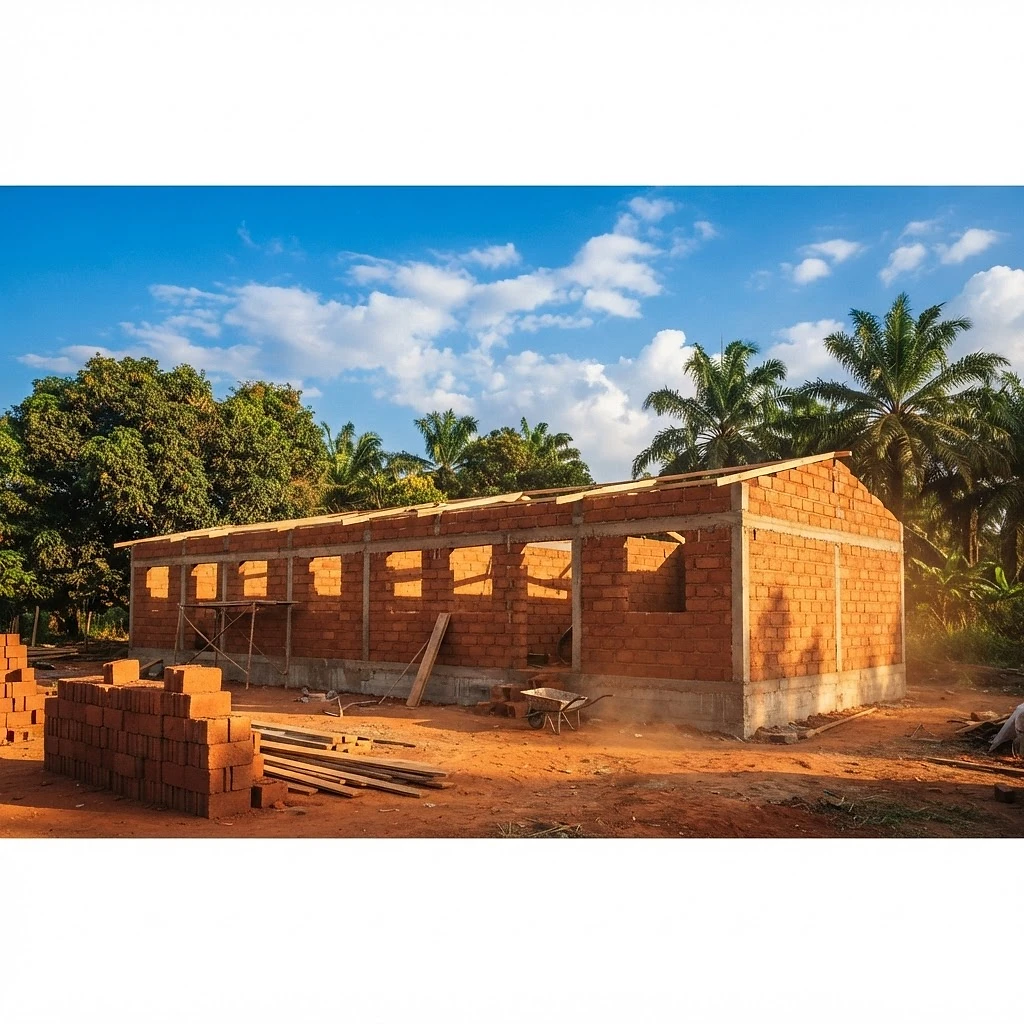
Dimbokro School Construction Coincides with Electoral Reform Debate
A municipal classroom project and the dissolution of Côte d'Ivoire’s electoral commission are reported at different levels of government.
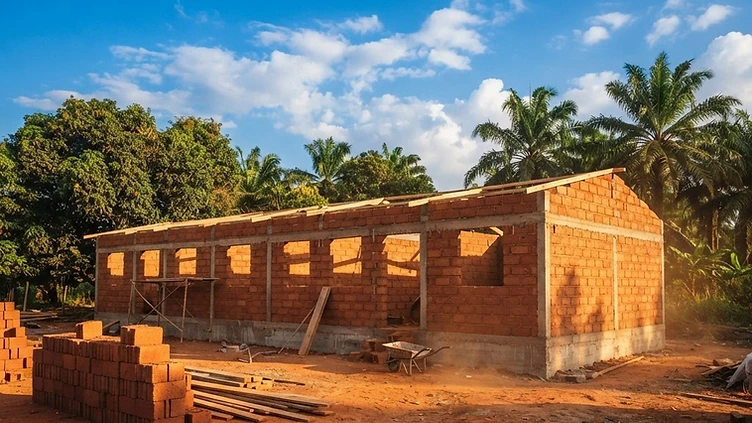
Dimbokro Mayor Adama Coulibaly has initiated construction of six classrooms at the Hôpital school group through municipal council efforts. Separately, the National Assembly’s General and Institutional Affairs Commission ratified the dissolution of the Independent Electoral Commission (CEI) on 17 November 2026. Reports describe the CEI’s liquidation and political debate over a successor, but do not establish a connection between the electoral transition and local service delivery.
The Gen Z Read
This story in plain English
Sixty seconds, no jargon. Written for readers new to the politics.
Dimbokro is building six classrooms while Côte d’Ivoire debates what will replace its dissolved electoral commission.
- On 6 May 2026, Ordinance No. 2026-265 dissolved the Independent Electoral Commission, which had operated since 2001.
- Lassana Sylla was appointed liquidator on 1 September to oversee the commission’s debts and assets; creditors can claim until 27 November 2026.
- On 17 November, a National Assembly committee ratified the dissolution ordinance, with no clear plan reported for the next electoral body.
- On 23 November, Dimbokro Mayor Adama Coulibaly began building six classrooms at the Hôpital school group with municipal council funding.
The classrooms could improve local learning conditions, but the report gives no opening date or details about fees, teachers, or who will use them. The electoral body’s future matters to how votes are managed, including a first vote, but its makeup and timetable remain unresolved, so there is no reported change to voting yet.
Words decoded
- Independent Electoral Commission (CEI)
- The national body that had been responsible for organizing elections in Côte d’Ivoire.
- Liquidator
- A person appointed to handle an organization’s debts and property as it closes.
- Ordinance
- A rule issued by the government, rather than passed through the usual full parliamentary process.
- PDCI-RDA
- A political party in Côte d’Ivoire that criticized the way the commission was dissolved.
What should matter most when Côte d’Ivoire sets up its next election body?
Be the first to answer
Key judgement
The reports describe separate developments: Dimbokro Mayor Adama Coulibaly’s six-classroom project, funded through municipal council efforts, and the liquidation of the CEI after the National Assembly committee ratified its dissolution ordinance on 17 November 2026. Whether a successor electoral body will be established, and how it will be constituted, remains unresolved in the material; it does not show that the CEI transition has affected municipal services in Dimbokro.
The copy cites Koaci, Benin Web TV and Afrik Soir for separate reports, but does not establish independent corroboration or provide primary records; further reporting on the successor-body process and the classroom project would change this rating.
What to watch
- 27 November 2026: Whether creditor claims to the CEI liquidator are submitted by the stated deadline.
- Any legislative session: Whether a bill defining the successor electoral body’s composition is introduced.
- Any formal announcement: Whether the government provides a timetable or conclusions from political consultations with parliamentarians.
- Further municipal reporting: Whether other municipalities are reported to fund comparable infrastructure projects through their councils.
Implications for decision-makers
- For policymakers, the absence of a clear roadmap leaves the successor body’s composition and timetable unresolved.
- For political leadership, the reported PDCI-RDA criticism and opposition calls for a neutral, expert-led body indicate that the process remains contested.
- For investors, the reporting documents institutional uncertainty but does not establish its effect on political stability or investment risk.
- For NGOs and development organizations, the Dimbokro classroom project is a reported municipal initiative; the copy does not establish a wider service-delivery pattern or a link to electoral reform.
The developments in context
In Dimbokro, Mayor Adama Coulibaly initiated construction of six new classrooms at the Hôpital school group, funded through municipal council efforts, according to Koaci’s report of 23 November 2026. At the national level, the National Assembly’s General and Institutional Affairs Commission ratified the ordinance dissolving the Independent Electoral Commission (CEI) on 17 November, according to Benin Web TV. That report says the move has yet to provide a clear roadmap for the next electoral body.
These are developments at different levels of government: one is a municipal infrastructure project, while the other concerns the national electoral framework. The reports do not establish a causal link between them or indicate that the CEI transition has affected municipal funding or service delivery in Dimbokro.
The CEI transition
The CEI is in liquidation, with 27 November 2026 set as the deadline for creditor claims. The material reports that Ordinance No. 2026-265 was issued on 6 May 2026 to dissolve the commission, which had operated since 2001. By 1 September 2026, Lassana Sylla had been appointed liquidator to oversee the institution’s debts and assets. The National Assembly committee’s ratification of the dissolution ordinance followed on 17 November.
The briefing reports criticism from the PDCI-RDA over the use of ordinances for fundamental institutional changes. It also reports that the government describes the dissolution as a technical step to modernize the electoral system. Interior Minister Vagondo Diomandé has promised to share conclusions from ongoing political consultations with parliamentarians, but the material gives no formal timetable for those discussions.
Opposition groups have called for a neutral, expert-led electoral body, according to the briefing. The PDCI-RDA has criticized the use of ordinances for institutional changes of this kind. The sources do not establish whether the successor body will include independent experts, how it will be constituted, or whether political-party representation will continue. The National Assembly committee report does not provide a clear roadmap for the next body.
What the reports establish—and do not
The classroom construction is reported as a municipal project funded through council efforts. The electoral reporting concerns dissolution, liquidation, and debate over the future body. The material does not establish whether other municipalities are funding similar infrastructure projects through their councils, or whether the Dimbokro project reflects a broader pattern. It also does not establish that the electoral transition has created a local service-delivery gap.
The sources include other national policy reporting: Afrik Soir reported on 23 November 2026 that Sanou Moussa called for calm in the coffee-cacao sector and welcomed state aid of 291 billion FCFA. That report supplies a separate figure and does not establish a connection to either the Dimbokro classrooms or the CEI transition.
Key figures in the transition
| Value | Label | Note |
|---|---|---|
| 6 | New classrooms | Construction initiated by Dimbokro Mayor Adama Coulibaly, reported 23 November 2026 |
| 27 November 2026 | Deadline for claims | Final date for creditors to submit claims to the CEI liquidator, reported 17 November 2026 |
| 17 November 2026 | Committee ratification | Date the National Assembly committee ratified the CEI dissolution ordinance |
| 291 billion FCFA | State aid | Amount of aid for the coffee-cacao sector, reported 23 November 2026 |
What to watch
The 27 November 2026 deadline for CEI creditor claims is the next stated date in the liquidation process. A legislative session may provide further information on a bill defining the successor electoral body’s composition; the material does not establish whether that body will include political-party representatives or independent experts. Further reporting would be needed to establish whether other municipalities are funding comparable infrastructure projects through their councils.
Report an error in this briefing