

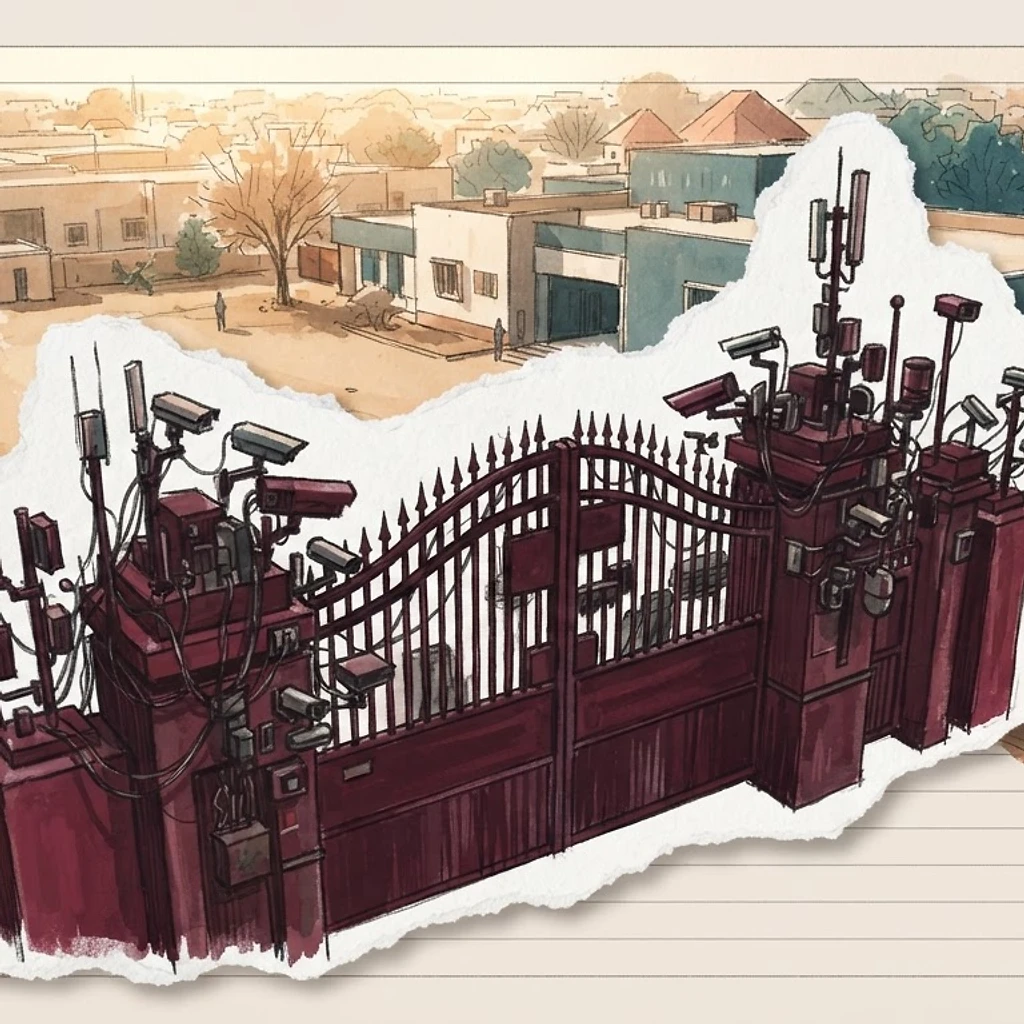
Illustration: Apex Africa
Burkina Faso's Fragile Transition: Security and Governance Challenges
Navigating the volatile landscape of Ouagadougou amid ongoing military oversight
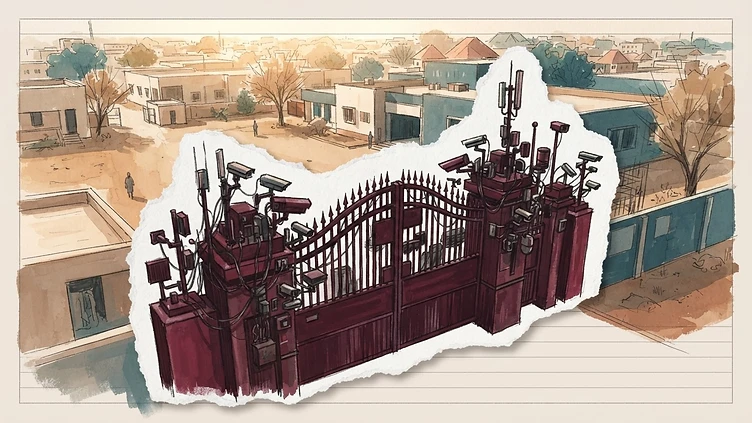
Burkina Faso continues to navigate a turbulent period of military governance, with security crises and internal restructuring remaining the central focus for both the transitional authorities and international observers.
The Gen Z Read
This story in plain English
Sixty seconds, no jargon. Written for readers new to the politics.
Burkina Faso’s military rulers say security must come before elections, while citizens and international bodies question the delay and limits on rights.
- Burkina Faso’s transitional military government says it took power because earlier failures left a security vacuum.
- The government says it must reclaim all territory before elections can resume, while the United Nations and African Union warn delays strain international ties.
- In Ouagadougou, citizens are divided over the military’s security approach, and rights groups question oversight of Volunteers for the Defense of the Homeland.
- ECOWAS is pressing for a return to constitutional rule; analysts are watching for an election calendar and changes in international aid.
The reporting gives no evidence of immediate changes to jobs, school costs, prices, transport or health services, so there may be little to feel day to day yet. The timing of elections matters if you’re approaching your first vote, while the concerns about civil liberties and security volunteers could affect rights and safety over time.
Words decoded
- Transitional government
- A temporary government meant to guide a country toward its next political arrangement.
- Civilian rule
- Government led by elected civilians rather than military leaders.
- Volunteers for the Defense of the Homeland
- Local volunteers the government says are part of the national defense effort.
- ECOWAS
- A group of West African countries that works together and is urging Burkina Faso to return to constitutional rule.
What should Burkina Faso’s leaders focus on first?
Be the first to answer
Key judgement
The centralization of infrastructure data through the OAN confirms that the junta is prioritizing state-led control over local administrative autonomy, effectively rendering municipal governance obsolete in the planning process.
The assessment is based on the official government mandate for the OAN and the documented dissolution of local elected bodies, which are consistently reported by multiple sources.
What to watch
- Publication of 2027 infrastructure deployment schedules by the Ministry of Digital Development.
- Any announcement regarding the inclusion of local administrative heads in OAN data-validation committees.
- Reports of local protests or petitions regarding the lack of municipal input in digital infrastructure projects.
Implications for decision-makers
- Political strategists must shift advocacy efforts from municipal councils to central ministries to influence infrastructure outcomes.
- Development organizations should prepare for a landscape where local government counterparts lack the authority to implement projects.
- Institutional investors should monitor the OAN's data as the primary indicator of state-sanctioned development priorities.
Burkina Faso remains under intense scrutiny as the transitional military government attempts to stabilize a nation besieged by extremist violence. According to reports from regional security analysts, the military leadership maintains that its grip on power is a necessary response to the security vacuum caused by previous administrative failures. However, international observers, including the United Nations and the African Union, state that the delay in returning to civilian rule complicates the country's relationship with its global partners.
The government maintains that the priority must be total territorial reclamation before democratic processes can fully resume. As reported by the BBC, citizens in the capital city of Ouagadougou remain divided; some support the military's firm approach to security, while others express growing concern regarding the contraction of civil liberties. Security experts emphasize that the military's reliance on 'Volunteers for the Defense of the Homeland' (VDPs) has significantly altered the tactical landscape of the conflict, though human rights organizations have raised questions about the oversight of these groups.
The government, according to a recent state media release, asserts that these groups are fully integrated into the national defense apparatus and are subject to strict military discipline. Looking forward, there is a clear distinction between the administration's stated goals and the reality on the ground. What we do not know is the extent of the impact of recent internal military reshuffles on the ground-level combat effectiveness against insurgent forces.
Furthermore, the long-term sustainability of the VDP model remains a subject of intense debate among security scholars. Key developments to watch in the coming months include any indications of a revised election calendar from the transitional authorities and the level of international aid flows as global priorities shift. Additionally, analysts are monitoring the impact of potential regional diplomatic pressures from ECOWAS, which continues to advocate for a swift transition to constitutional order.
The balancing act between security mandates and democratic restoration will define the administration's legacy in the near term.
Report an error in this briefing