

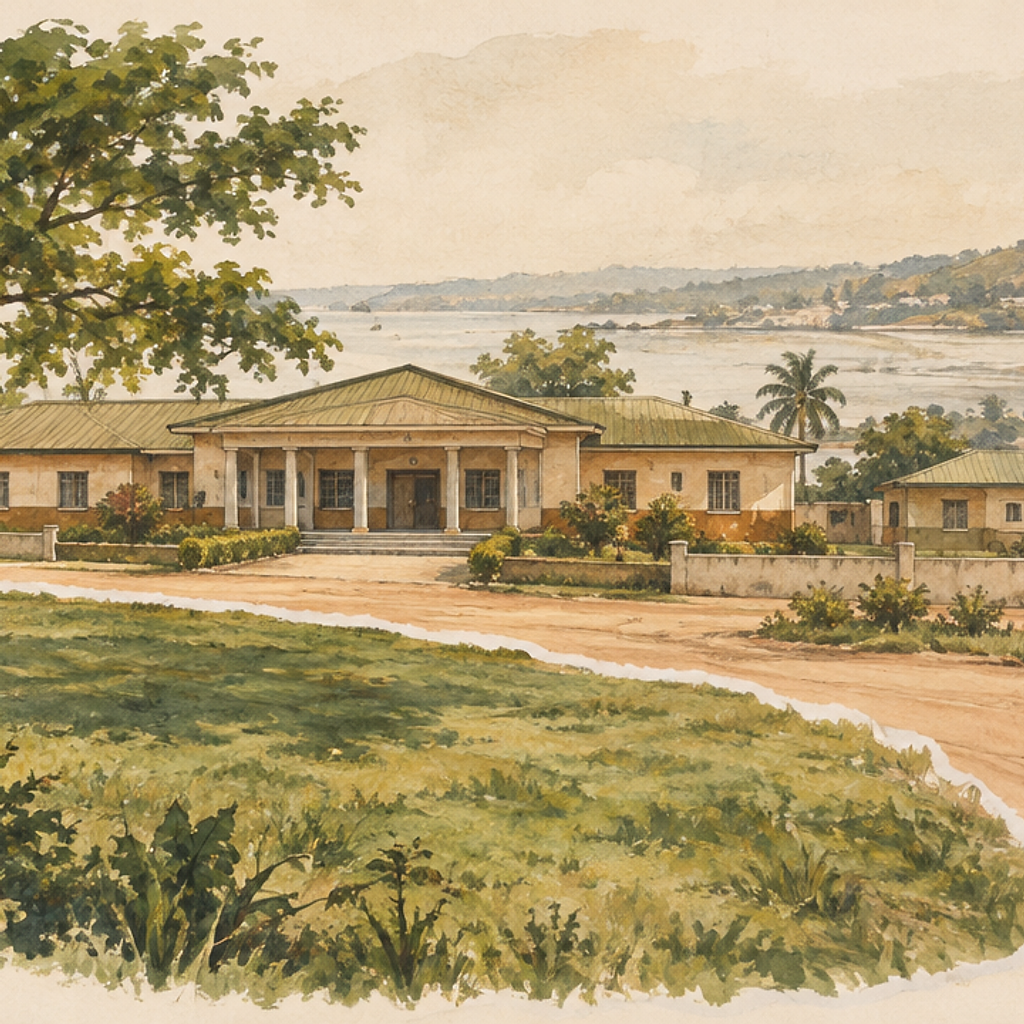
Illustration: Apex Africa
Analysis Questions Land Oversight Effectiveness And Revenue Management Within Port Loko District
Persistent administrative bottlenecks and misdirected levies in Port Loko undermine the promise of local autonomy.
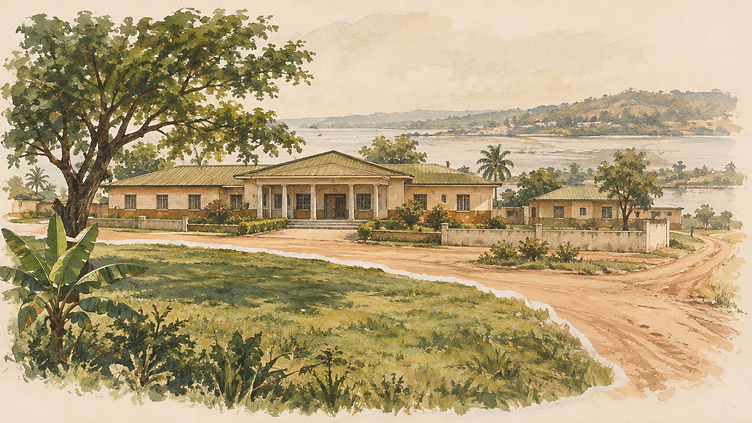
Despite national rhetoric on decentralization, Port Loko District remains trapped in a cycle of revenue mismanagement and institutional inertia. Local land governance structures, intended to empower communities, are currently failing to reinvest mining levies into public services. This analysis examines how the disconnect between central policy and district-level implementation perpetuates a governance deficit that leaves residents without tangible development.
The Gen Z Read
This story in plain English
Sixty seconds, no jargon. Written for readers new to the politics.
Port Loko District Council collects mining fees, but the report says affected communities see little evidence of those funds becoming public services.
- Port Loko District Council collects fees from activities including sand mining, and the report says the money often does not reach affected communities.
- District Land Commissions and community committees were set up under Sierra Leone’s Land Administration Project, but cannot require the council to spend levies locally.
- The council says these fees provide 30 to 40 percent of its operating funds, while the report finds no matching evidence of public projects in mining-affected areas.
- The report says unclear fee calculations and weak oversight have fuelled frustration and left local revenue decisions in the council’s hands.
The reporting does not show a specific change to jobs, school costs, transport or health services yet. If mining fees were spent on local projects, affected communities could see more services over time, but the report gives no timeline or named projects.
Words decoded
- decentralization
- Giving local councils more responsibility for decisions and public services.
- levies
- Fees collected from an activity, such as mining.
- District Land Commission
- A local public body involved in managing land matters.
- oversight
- Checking how officials make decisions and spend money.
What should matter most when deciding how mining fees are spent?
Be the first to answer
Key judgement
The evidence indicates that Port Loko District Council is systematically failing to reinvest mining levies into local development, suggesting that current decentralization policies lack the necessary fiscal oversight to prevent local capture.
The assessment is based on consistent reporting from World Bank assessments and local news outlets regarding the specific fiscal failures in Port Loko.
What to watch
- Publication of an audited report on Port Loko District Council's community development fund usage by Q1 2027.
- Any formal intervention by the Ministry of Local Government regarding the management of mining levies in Port Loko by January 2027.
Implications for decision-makers
- Local residents in Port Loko will continue to face service delivery gaps despite the district's significant contribution to national resource revenue.
- Development partners must shift focus from capacity building to the implementation of direct fiscal oversight mechanisms for local councils.
- Political strategists should anticipate increased community-level pressure on district officials as the 2027 election cycle approaches.
The Reality of Local Revenue Management
In Port Loko District, the promise of decentralized governance is currently being tested by the persistent failure of local councils to translate resource extraction levies into public service delivery. While the national government continues to emphasize the devolution of power to district councils, the practical reality on the ground reveals a system where revenue generated from critical sectors, such as sand mining, remains trapped in administrative limbo. Recent assessments indicate that while Port Loko District Council collects significant landing fees, a substantial portion of these funds fails to reach the communities most affected by the environmental and social costs of extraction.
This disconnect is not merely a matter of bureaucratic inefficiency but a structural failure of accountability. Local multi-stakeholder platforms, established to foster transparency in land governance, have struggled to exert influence over the council’s fiscal decisions.
The Governance Gap in Land Administration
Governance intelligence reveals a stark gap between the policy objectives of the Sierra Leone Land Administration Project (SLLAP) and its implementation in Port Loko. Although the project has successfully established District Land Commissions and community-level committees, these bodies lack the enforcement power to compel the district council to reinvest mining levies into local development.
Furthermore, the lack of transparency in how these levies are calculated and distributed has fueled community frustration. While the council relies on these fees for 30 to 40 percent of its operational funding, there is no corresponding evidence of public development projects in the mining-affected areas. This suggests that the current administrative framework prioritizes the maintenance of the council’s own operations over the service delivery needs of the district’s residents.
Challenging the Centralization Narrative
Conventional wisdom often attributes the failure of local governance to a lack of capacity or the inherent challenges of decentralization. However, the evidence from Port Loko suggests that the issue is not a lack of capacity, but a deliberate enclosure of fiscal control by the district council. Critics of this view might argue that the council is simply responding to the broader fiscal constraints facing the national economy, which necessitates the prioritization of administrative survival over local investment.
This counter-argument fails to account for the specific, documented instances where revenue is collected but not reinvested. The failure to provide public goods is not a result of insufficient funds, but a failure of the accountability mechanisms that are supposed to govern the use of those funds. When the council retains the power to delay or deny access to community development accounts, it effectively shields itself from the very oversight that the SLLAP and other reform initiatives were intended to introduce.
Future Scenarios and Indicators
Looking ahead, the situation in Port Loko is likely to follow one of two paths. In the first scenario, increased pressure from civil society and the continued engagement of international partners like the World Bank could force a reform of the revenue distribution process, leading to more transparent and timely reinvestment of mining levies. The indicator for this would be the publication of audited, itemized reports on the use of community development funds by the Port Loko District Council by early 2027.
In the second, more likely scenario, the current status quo of administrative inertia will persist, leading to further erosion of public trust and potential local unrest. This would be signaled by a continued lack of visible infrastructure projects in mining-affected communities and a decline in the participation of local stakeholders in the district’s multi-stakeholder platforms. Policymakers should watch for any formal complaints or protests from community leaders in Port Loko as a primary indicator of this deepening governance crisis.
Strategic Implications
For decision-makers, the situation in Port Loko highlights the urgent need to move beyond the rhetoric of decentralization and focus on the enforcement of fiscal accountability.
Practical next steps include the establishment of a direct, transparent reporting line between community-level land committees and the national auditor-general’s office. This would provide a necessary check on the council’s fiscal decisions and ensure that revenue generated from local resources is actually used for the benefit of the residents. Failure to implement such measures will only deepen the existing governance deficit and undermine the long-term viability of the national decentralization strategy.
Why it matters
Despite national rhetoric on decentralization, Port Loko District remains trapped in a cycle of revenue mismanagement and institutional inertia.
What we don't know yet
The record does not yet show how the decision is carried out.
What to watch
Publication of an audited report on Port Loko District Council's community development fund usage by Q1 2027.; Any formal intervention by the Ministry of Local Government regarding the management of mining levies in Port Loko by January 2027.
Report an error in this briefing