Article · The Gambia
National Assembly budget oversight in Central River Region forces councils to shift focus before 2026 election
The National Assembly's new oversight focus on regional budget execution is a calculated move to centralize control.
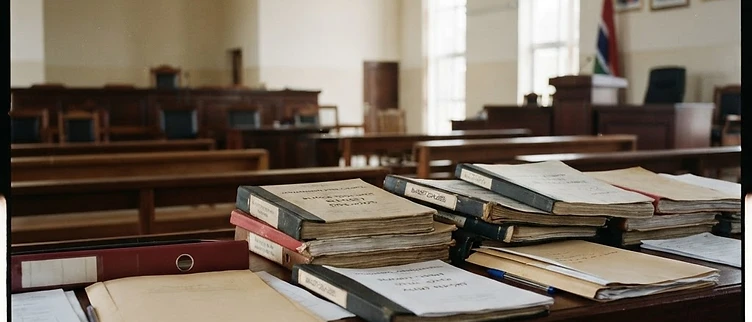
Illustration. AI-generated editorial image, not a documentary photograph.
The National Assembly's recent shift toward rigorous oversight of regional budget execution in the Central River Region is not a genuine governance reform but a strategic mechanism to consolidate central control. By scrutinizing local project implementation and land allocations, the ruling coalition is effectively neutralizing regional autonomy ahead of the December 2026 presidential election. This move forces local councils into a defensive posture, prioritizing compliance over the delivery of essential services to their constituents.
The Illusion of Decentralized Governance
The prevailing narrative surrounding the National Assembly’s recent oversight activities in the Central River Region suggests a newfound commitment to fiscal accountability and grassroots service delivery. However, this interpretation is a dangerous misreading of the current political landscape. As the 2026 presidential election approaches, the legislative focus on regional budget execution is less about transparency and more about the strategic containment of local political actors. By framing oversight as a technical necessity, the central government is systematically eroding the autonomy of regional councils, ensuring that local resources remain tethered to national political objectives.
This shift is not merely administrative; it is a calculated political maneuver designed to weaken the influence of regional power brokers who operate outside the ruling coalition's direct orbit. The Central River Region, with its complex mix of traditional authority and local administrative structures, has long been a site of political contestation. By subjecting every budgetary decision to intense scrutiny from the Select Committee on Tourism, Youth and Sports and other oversight bodies, the central government is effectively creating a bottleneck that prevents local leaders from exercising independent initiative. This is not governance; it is the institutionalization of central surveillance.
The Oversight Mechanism as a Political Tool
Recent legislative developments, including the ongoing Third and Fourth Ordinary Sessions of the National Assembly, have prioritized the review of quarterly budget executions across various regions. In the Central River Region, this oversight has specifically targeted land allocations and project development, areas that are critical for local economic stability. By demanding detailed reports on how funds are spent and how land is managed, the National Assembly is forcing regional officials to spend more time justifying their actions to central authorities than serving their communities. This creates a culture of compliance that stifles innovation and discourages local leaders from challenging the status quo.
Furthermore, the timing of these oversight visits is highly suspicious. With the Independent Electoral Commission (IEC) tightening verification rules for the December 5, 2026, presidential election, the central government is using every available lever to ensure that regional administrations remain aligned with its interests. The threat of a negative audit report or a public reprimand from a parliamentary committee is a powerful tool for ensuring loyalty. Local officials who might otherwise be inclined to support opposition candidates are now forced to weigh the potential consequences of their political affiliations against the survival of their local development projects.
The Governance Gap in the Central River Region
While the government touts its commitment to public financial management, the reality on the ground in the Central River Region tells a different story. Despite the rhetoric of accountability, the actual delivery of services remains inconsistent and often disconnected from the needs of the local population. The focus on auditing past expenditures does little to address the immediate challenges of infrastructure, healthcare, and education that residents face daily. Instead, the administrative burden imposed by these oversight requirements often leads to delays in project implementation, leaving communities waiting for promised improvements that never materialize.
For instance, the recent success of the Janjanbureh Kankurang and Masks Festival, while culturally significant, highlights the disparity between high-level cultural promotion and the lack of sustained investment in local infrastructure. While the government is quick to claim credit for such events, the underlying governance structures remain fragile. The oversight process, rather than strengthening these structures, serves to highlight their dependence on central funding and approval. This creates a cycle of dependency where local councils are unable to plan for the long term because they are constantly reacting to the demands of the central government.
Rebutting the Accountability Narrative
Critics of this analysis might argue that the National Assembly is simply fulfilling its constitutional mandate to ensure that public funds are used efficiently. They would point to the recent reduction in the national budget deficit as evidence that tighter expenditure management is working. However, this argument ignores the political context in which these measures are being implemented. Accountability is not a neutral act; it is a political process that can be used to empower or disempower specific actors. In the case of the Central River Region, the oversight process is clearly being used to consolidate power rather than to improve governance.
Moreover, the claim that these measures are necessary to prevent corruption is often used as a smokescreen to justify the centralization of power. While corruption is a legitimate concern, the current approach does nothing to address the root causes of the problem. Instead, it creates a system where loyalty is rewarded and dissent is punished. If the government were truly committed to accountability, it would empower local institutions to manage their own affairs with transparency and integrity, rather than imposing a top-down system of control that undermines the very principles of democracy it claims to uphold.
Strategic Implications for Political Actors
For political strategists and campaign leadership, the situation in the Central River Region presents both risks and opportunities. The ruling coalition’s reliance on administrative control suggests a fear of losing ground in key regions. For opposition parties, this is an opportunity to highlight the disconnect between the government’s rhetoric and the reality of local governance. By focusing on the tangible impact of these policies on the lives of ordinary citizens, opposition candidates can build a compelling case for change that resonates with voters who are tired of being treated as pawns in a national power struggle.
For think tanks and development organizations, the recommendation is clear: advocate for genuine decentralization that empowers local councils to make their own decisions. This requires a shift in focus from auditing past expenditures to building the capacity of local institutions to manage their own resources effectively. The goal should be to create a system where local leaders are accountable to their constituents, not to the central government. This is the only way to ensure that development is sustainable and that the democratic process is truly representative of the people's will.
Future Scenarios and Indicators to Watch
Looking ahead, there are two primary scenarios for how the situation in the Central River Region might develop. In the first scenario, the central government continues to tighten its grip, leading to a further erosion of local autonomy and a potential increase in political tension as the election approaches. Indicators to watch include the frequency of parliamentary oversight visits, the number of local officials who are publicly reprimanded, and the level of public dissatisfaction with service delivery. If these indicators trend upward, it is a sign that the government is doubling down on its strategy of control.
In the second scenario, the pressure from local communities and civil society forces the government to adopt a more collaborative approach. This would involve a genuine dialogue between the central government and regional councils, leading to a more balanced distribution of power and resources. Indicators to watch include the establishment of formal mechanisms for local participation in budget planning, the decentralization of key decision-making powers, and a decrease in the use of oversight as a political weapon. If these indicators emerge, it would suggest a shift toward a more democratic and inclusive model of governance.
Leveraging Apex Africa’s Expertise
Navigating these complex political dynamics requires a deep understanding of both the formal and informal structures of power. At Apex Africa, our team of experts specializes in providing the intelligence and strategy needed to succeed in such environments. Whether it is through our Political Intelligence services, which help leaders anticipate and respond to shifts in the political landscape, or our Campaign Operations support, which ensures that every resource is used effectively, we are committed to helping our clients achieve their goals. We understand that in a political environment as volatile as The Gambia’s, success depends on the ability to adapt and innovate.
Our approach is rooted in rigorous research and analysis, ensuring that our clients have the information they need to make informed decisions. We do not rely on conventional wisdom; we challenge it, providing our clients with a competitive edge that is based on evidence and insight. If you are a political leader or organization looking to navigate the challenges of the 2026 election and beyond, we invite you to partner with us. Together, we can build a strategy that is not only effective but also sustainable and aligned with the needs of the people you serve.
Conclusion and Call to Action
The situation in the Central River Region is a microcosm of the broader political struggle in The Gambia. As the country moves toward the December 2026 presidential election, the battle for control over regional resources and administrative structures will only intensify. The National Assembly’s oversight pivot is a clear signal that the ruling coalition is determined to maintain its grip on power at any cost. However, this strategy is not without its risks. By alienating local leaders and ignoring the needs of the people, the government is creating a fertile ground for political change.
For those who are committed to a more democratic and prosperous future for The Gambia, the time to act is now. By understanding the dynamics of power and the strategies being used to maintain it, we can work to build a more inclusive and accountable political system. We invite you to join us in this effort. For a confidential consultation on how to navigate these challenges and position your organization for success, please visit our website at https://apexafricastrategy.com.